The Unlikely Heroes of Anti-Franco Resistance: Cantacronache’s Journey
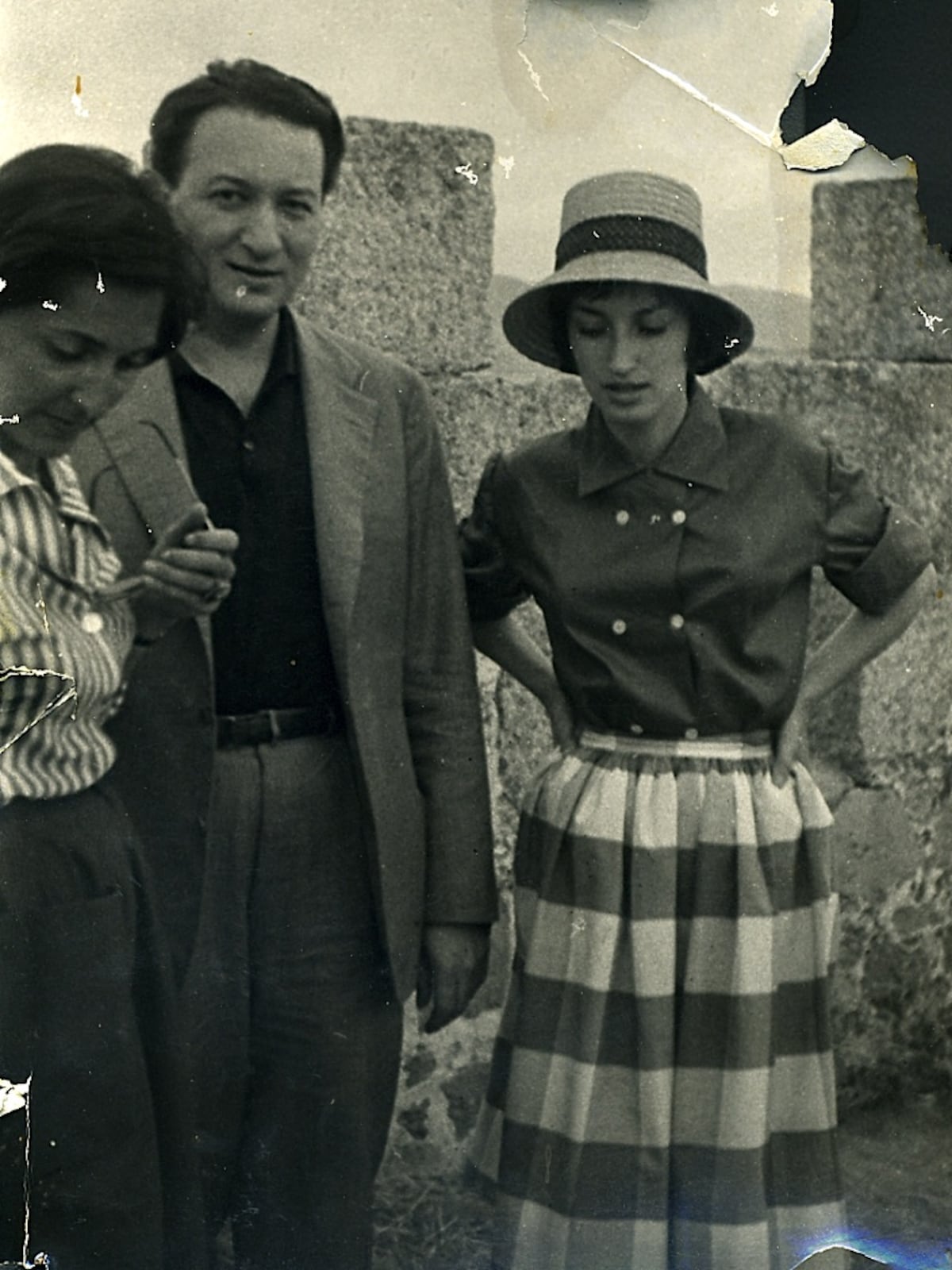
In the early 1960s, a group of seven young Italians—five men and two women, all between the ages of 20 and 30—embarked on an adventure that would ignite an international diplomatic conflict with Francisco Franco’s Spain. Their mission? To travel through Spain as tourists while secretly recording popular songs that expressed dissent against the regime. This audacious endeavor culminated in the release of two albums and a groundbreaking book titled Canti della nuova resistenza spagnola: 1939-1961 (Songs of the New Spanish Resistance: 1939-1961), published in 1962 by the esteemed Turin publishing house Einaudi, where the renowned writer Italo Calvino was a friend and collaborator.
The Spark of Controversy
The book, which chronicled their journey and included lyrics and scores of the songs they collected, quickly became a source of scandal. Manuel Fraga, the new Minister of Information at the time, launched a vehement campaign against what he labeled a “libel.” The Franco regime sought support from the Vatican, particularly because some of the songs were violently anticlerical. One song, recorded in Santander, became the focal point of the controversy, featuring provocative lyrics that mocked the clergy. This backlash led to the book being seized in Italy just four months after its publication.
Legal Battles and International Impact
The authors of the book, Sergio Liberovici and Michele L. Straniero, faced prosecution in Turin for defaming religion. Initially convicted, they were later acquitted on appeal. However, the incident sparked a wave of translations across Europe and America, as Einaudi freely granted rights for international editions. The book not only challenged the image of Francoism but also highlighted the existence of a resistance movement that the regime was desperate to deny.
Emilio Jona, the only surviving member of the group at 97 years old, reflects on the impact of their work. “What bothered the Spanish government was the confirmation of the existence of a resistance movement,” he explains. Jona recalls the stark realities of Spain in 1961—an archaic society marked by poverty and repression. Yet, he felt an immediate connection to the people and landscapes, as he is of Sephardic Jewish descent.
Rediscovery of a Forgotten Story
This remarkable story faded into obscurity until historian Alberto Carrillo began researching it in 2008. His findings, which included documentation and recordings, led to a renewed interest in the group’s legacy. Carrillo’s work culminated in a documentary titled La marsellasa de los borrachos (The Drunkards’ Marseillaise), which premiered in 2024 and featured contemporary artists reinterpreting the songs.
At a recent conference in Rome, Carrillo shared the story of Cantacronache, emphasizing its theatricality and the surprising power of simple songs to provoke such a significant international response. “That something so small could have such a profound impact,” he noted, encapsulating the essence of their mission.
The Musical Revolution
Cantacronache, the Turin-based musical group, was a pioneer of protest and singer-songwriter music in Italy. They sought to break away from the escapist themes prevalent in popular Italian music at the time. Jona recalls their initial motivation: “We were irritated by the Italian songs that were fashionable… we wanted to tell the reality of everyday life.” Their trip to Spain was meticulously planned, aiming to collect anti-fascist songs across Europe.
The group gathered sensitive information from the Spanish exile community in France and Switzerland, carefully documenting contacts on matchsticks to avoid detection. This allowed them to meet with influential artists and intellectuals in Spain, leading to the creation of songs that captured the spirit of resistance.
The Songs of Resistance
The songs they collected ranged from poignant reflections on hunger and social inequality to biting satires of the regime. One particularly moving song, Sin pan (Without Bread), was performed by an Andalusian taxi driver in Madrid and encapsulated the struggles of everyday life under Franco. The group’s recordings, which included both original compositions and traditional folk songs, were later arranged and performed on two albums released in 1961.
The Franco Regime’s Response
The Spanish government’s reaction to the book was swift and severe. They attempted to prevent its distribution by pressuring Einaudi, even threatening the publisher with barring entry into Spain. A massive media campaign ensued, branding the book as an attack on Spain and the Catholic Church. The regime’s efforts to discredit the project only served to amplify its reach, as European publishers rallied around Einaudi, leading to a significant backlash against Franco’s censorship.
The Aftermath and Legacy
Despite the regime’s attempts to suppress dissent, the scandal surrounding the book and the records solidified their place in the annals of antifascist history. The controversy prompted discussions in the Italian parliament and among European intellectuals about freedom of expression. Even within Spain, notable figures like writer Camilo José Cela weighed in, albeit from a different perspective, arguing against the book’s impact on the fight for freedom.
The legacy of Cantacronache and their courageous endeavor continues to resonate today, serving as a reminder of the power of music and art in the face of oppression. Jona reflects on their journey with pride, noting that their modest efforts contributed significantly to the opposition against Franco’s dictatorship. The songs they collected and the stories they told remain a testament to the enduring spirit of resistance.