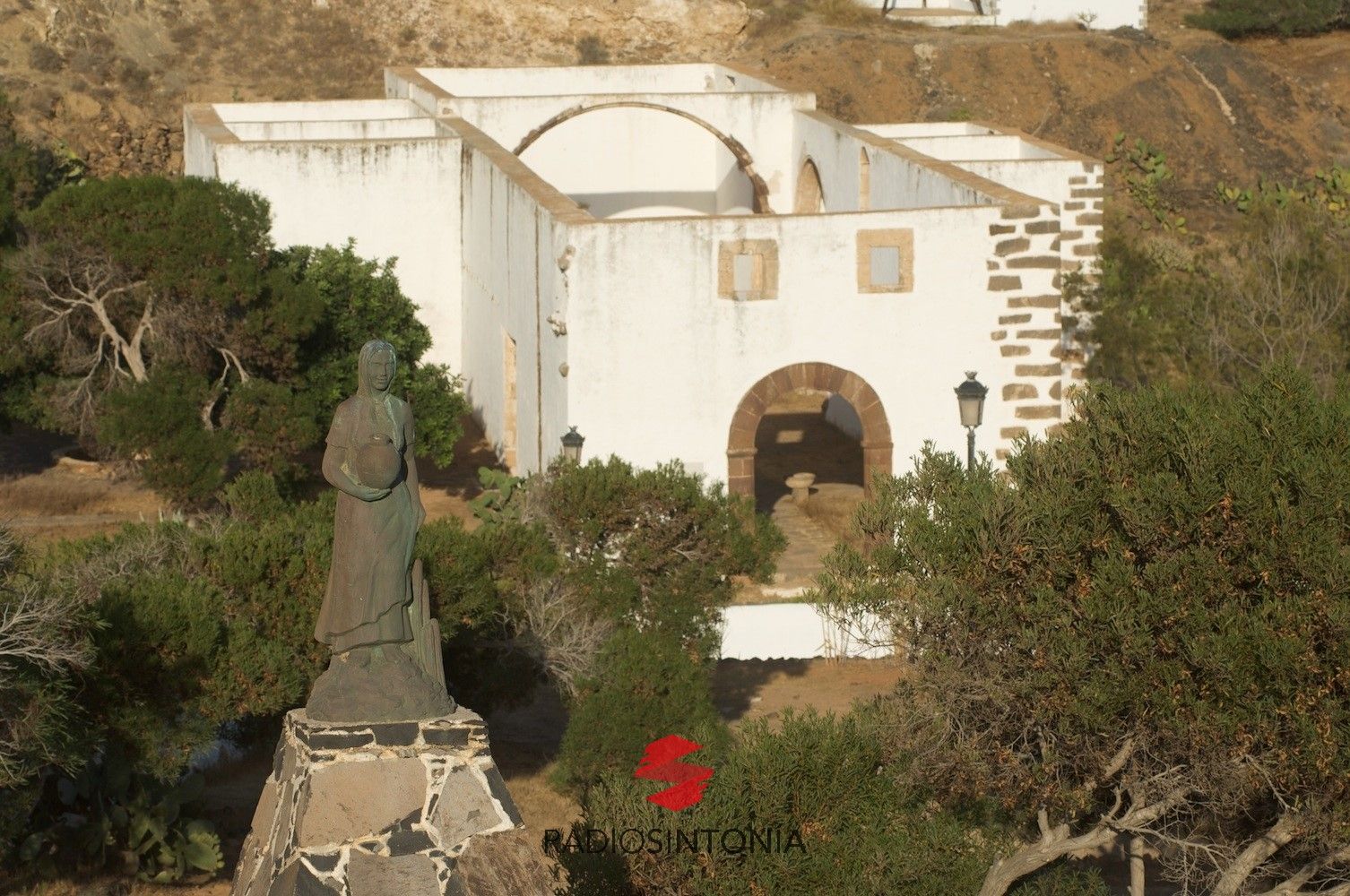
In a recent announcement, the Cabildo de Fuerteventura, through its Historical Heritage Department, has approved a comprehensive project aimed at the conservation, consolidation, and restoration of the conventual area in Betancuria. This initiative is being undertaken as part of a collaboration agreement between the local insular corporation and the Diocese of Canarias, focusing on preserving the remnants of the convent church, the site of the ancient convent, and the adjacent Hermitage of San Diego.
This project is a significant step towards maintaining the rich historical heritage of the region. On October 5, the Historical Heritage area of the Cabildo positively reviewed and authorized the action after the church submitted the finalized projects and the necessary documentation.
The president of the Cabildo, Sergio Lloret López, emphasized the historical value of the Franciscan convent of San Buenaventura, recognizing it as one of the most important historical sites in the archipelago. This convent serves as a testament to the historical events that have shaped the Villa Histórica de Betancuria.
Rayco León, the area minister, underscored the importance of expediting these actions to commence the restoration, conservation, and research work needed to secure a space of extraordinary patrimonial value. Not only does this convent represent the first Franciscan settlement in the Canary Islands, but it also illustrates the region’s storied past.
The project has allocated a budget of €300,000, with the collaboration between the Cabildo and the Diocese of Canarias set to prevent further deterioration of the area while transforming it into a cultural landmark accessible to the thousands of residents and tourists visiting the Historic Ensemble of Villa de Betancuria each year.
The initiative encompasses three distinct components: an architectural element focused on the conservation and consolidation of existing structures, a restoration of stone elements like columns, arches, doors, and niches, and an archaeological excavation to conduct stratigraphic analysis of elements that could form part of an early church.
The convent of San Buenaventura is characterized by its simplicity, constructed primarily of masonry with stone details on its supports. This Mudejar style is complemented by classical elements. The building features a Latin cross plan with dual arms and a flat head due to the inclusion of two sacristies. The few remaining decorative items include two small altars carved from stone niches.