The First 100 Days in Office: A Balancing Act for La Oliva’s New Administration
Initial Impressions and Challenges
The first hundred days in office for any political leader are often viewed as a critical period of evaluation and adaptation. For the new government of La Oliva, this transitional phase highlights a myriad of challenges that have long plagued the municipality. In a candid reflection, the recently appointed officials have noted that the governing bodies prior to their administration left a legacy of neglect and disorganization that has severely impacted municipal operations and resources. “Everything in the Ayuntamiento is a major problem,” one official stated, emphasizing the need for immediate reform. The situation is characterized by an alarming level of degradation, highlighting the pressing need for a comprehensive plan moving forward.
Pandemic Fallout: Economic and Social Impacts
As the repercussions of the pandemic continue to unfold, La Oliva’s socio-economic landscape has been significantly affected. With over 2,000 individuals currently unemployed and 2,800 involved in Temporary Employment Regulation Files (ERTE), the local economy’s heavy reliance on tourism has come under scrutiny. This reliance proved detrimental as the pandemic’s onset devastated the tourism sector, leaving the community grappling with rising unemployment and heightened food insecurity. The local government has reported an increasing demand for food assistance, with nearly 1,000 families currently relying on aid—an indicator of the community’s hardships.
Strengthening Social Services
Despite these challenges, there is a positive outlook regarding the municipal response. The administration has commended the dedication of the Social Services department, which plays a critical role in addressing the community’s basic needs. Initiatives have already been implemented, such as the allocation of funds to support freelancers and small businesses. The administration plans to offer grants of approximately 800 euros to those in need, aiming to bolster the local economy in these hard times.
Diversifying the Economy: A Long-term Goal
The pandemic has highlighted an essential lesson: the necessity for economic diversification. “Our economy cannot solely depend on sun and beach tourism,” one official remarked, urging for a strategic shift toward other sectors. The potential for growth in agriculture, renewable energy, and varied forms of tourism presents an opportunity to establish a robust economic foundation. The administration envisions a diversified approach that embraces cultural, gastronomical, and conference tourism, leveraging the island’s year-round favorable climate.
Hotel Developments: Navigating Bureaucratic Waters
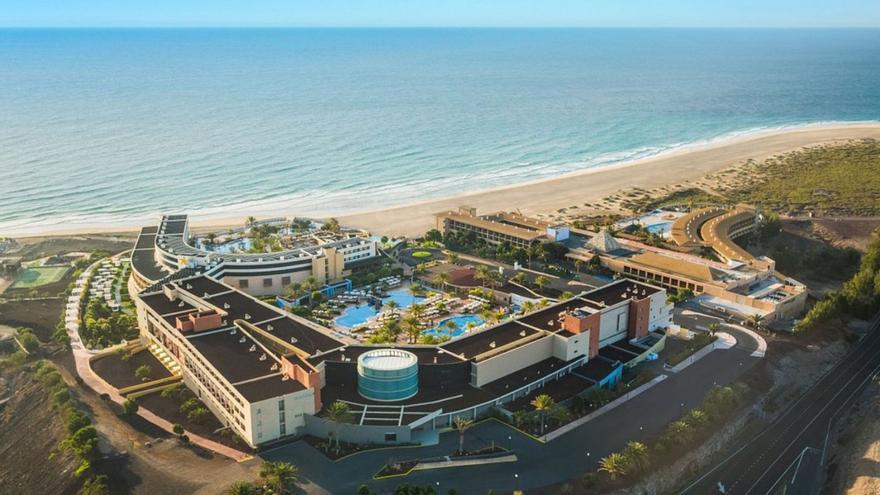
Amid ongoing discussions about local developments, the focus has turned to key projects like the expansion of the Bahía Real hotel and the controversial Oliva Beach renovation. The latter has faced significant bureaucratic hurdles, compounded by political decisions that have obstructed its progress. The administration is hopeful for a positive resolution, as the project is crucial for the livelihoods of many families. The mayor expressed her commitment to advocating for the renovation, emphasizing the importance of this project for community sustenance.
Capacity for Growth: Lobos Island
The modification of the Use and Management Plan for Lobos Island is currently under review, with the proposed increase in visitor capacity sparking debate. The La Oliva authorities believe that the island can sustainably support more than the current threshold of 200 people, advocating for a more substantial increase to enhance both tourism and local engagement with this ecological gem.
Sustainable Urban Development: A Balanced Approach
In terms of urban planning, the ongoing review of the Insular Plan has led to discussions about the potential development of Jablito Beach. Local officials have expressed a willingness to consider sustainable and environmentally respectful development that aligns with the community’s vision for the future. They maintain that any development initiatives must prioritize quality tourism and eco-friendly practices.
Education and Community Needs
As La Oliva adapts to a post-pandemic environment, managing public spaces for community activities has become imperative. With a significant increase in school-age children, particularly in El Cotillo, educational facilities have come under strain. The town has proposed utilizing cultural centers to alleviate overcrowding and ensure that educational needs are met.
Navigating the Political Landscape
Carrying the legacy of a politically influential parent poses its challenges, as the current mayor reflects on the marked distinctions between the administration before and after 2003, when significant changes in leadership occurred. The focus now is on addressing the “total and absolute” degradation experienced from 2003 to 2019, with an urgent push towards restoring the community’s former glory.
Transparency and Governance Accountability
The ongoing investigation surrounding the urbanization of Corralejo Playa has raised questions about transparency and governance. While allegations of political maneuvering have emerged, the mayor asserts that the decisions leading to the recent change in leadership were made in the best interest of the municipality and its residents. She emphasizes a commitment to due process, advocating for a judicial resolution to the ongoing inquiries.
Through these complex challenges and opportunities, La Oliva’s new administration is setting the stage for a meaningful transformation. The unification of community efforts, continuous advocacy for economic diversification, and a strong focus on improving citizen well-being signal a promising direction as they navigate the nuances of governance amid unprecedented times.