The Gastronomic Treasures of Fuerteventura: A Journey with Chef Jorge Carballeira
The picturesque island of Fuerteventura is often celebrated for its stunning landscapes and vibrant beaches, but beneath the surface lies a rich trove of culinary potential waiting to be unearthed. Chef Jorge Carballeira, a passionate gastronomist from A Coruña, sheds light on this hidden treasure trove. Having studied at the prestigious Centro Superior de Cocina in Galicia and traveled extensively throughout Spain, Jorge has dedicated the last 16 years to exploring and elevating the local cuisine of Fuerteventura.
Unearthing Traditional Flavors
Jorge’s journey has led him to a deeper appreciation for the island’s traditional recipes, particularly those passed down through generations of majorera women. He believes there is much to learn from these time-honored traditions, especially in a place renowned for its cheeses and goat meat. Yet, he emphasizes the significant gap in recognition given to local seafood.
“Fish is often overlooked in menus,” he notes, despite Fuerteventura being an island surrounded by rich fishing grounds. From the well-known vieja (parrot fish) to lesser-known varieties like abade and bocinegro, there is a multitude of seafood that could offer innovative avenues for chefs and food lovers alike.
A Wealth of Marine Produce
The surrounding waters of Fuerteventura teem with a diverse range of marine life, including an array of shellfish, sea urchins, and edible algae. “We often hear of the shrimp from La Santa in Lanzarote, yet the shrimp of Fuerteventura deserves equal attention,” Jorge observes. He expresses concern over the missed opportunities these ingredients represent, particularly the often-neglected sea urchins known for their intense flavor.
Moreover, the local seaweed varieties stand out as hidden gems, rich in health benefits yet rarely utilized in culinary applications. Jorge highlights the potential for creating dishes that blend these ingredients with aromatic herbs historically grown on the island, leading to an explosion of unique flavors that could revolutionize local gastronomy.
Expanding the Tuna Narrative
Recently, Jorge participated in the Corralejo Sea Fair, alongside his culinary partner Ander Comes, to discuss how to maximize the usage of tuna. “Everyone is after the lovely loins, but every part of the tuna can be delicious,” he emphasizes. His focus was on utilizing the skin and head in innovative stews, as well as showcasing lesser-known segments like ventresca (tuna belly).
The integration of sushi, influenced by Eastern cuisines, reflects a broader trend towards culinary fusion in Fuerteventura, as chefs seek to innovate while respecting traditional recipes.
The Rich Tradition of Salted Fish
Fuerteventura has a longstanding tradition of salted fish, particularly cherne (wreckfish) and corvina (meagre). These are often prepared in a traditional way, either baked with broth or served with the island’s famous mojos (sauces) and accompanied by papas guisadas (stewed potatoes). Despite this, Jorge points out that many extraordinary fish like sama (white sea bream) and cabrilla negra (black seabream) remain unheard of in local cuisine. “The variety in Canarian waters could redefine flavors and textures in majorera cuisine,” he emphasizes.
Defining the Culinary Landscape at A Poniente
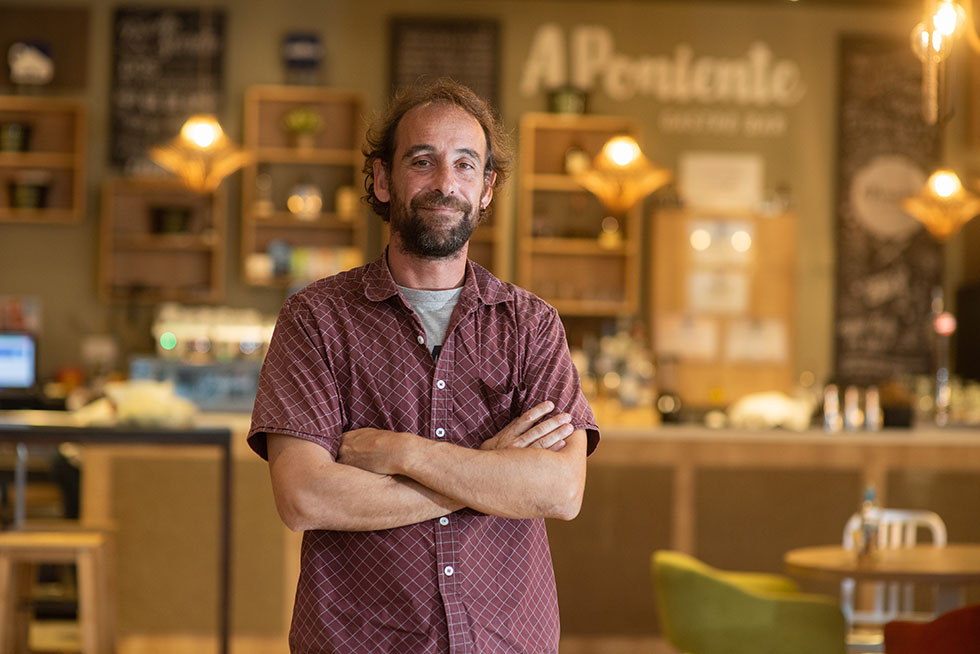
Jorge took the helm at Gastro Bar A Poniente in Corralejo in 2016, crafting a menu that reflects both traditional flavors and innovative cooking techniques. “I have the freedom to experiment in the kitchen while also catering to the needs of an increasingly discerning tourist audience,” he shares. The restaurant opens its doors to the public while situated within a hotel, where the focus often leans towards a more casual dining experience.
Emphasizing low-temperature cooking and new techniques, Jorge aims to elevate the gastro bar experience, blending traditional tastes with a modern twist.
The Call for Professional Development
Despite the rich culinary heritage of Fuerteventura, Jorge voices concern about the lack of professional training in the local restaurant scene. “Many aspiring chefs come to us without even knowing culinary vocabulary, and they learn on the job,” he states. This gap indicates a significant need for enhanced training programs that can equip future cooks with the necessary skills and knowledge.
His commitment to knowledge-sharing is evident in events such as the recent Sea Fair. “These fairs bring together countless facets of local produce, allow chefs to showcase their dishes, and promote a sense of community,” he explains.
Advocating for Local Produce
Jorge is also passionate about advocating for locally sourced fruits and vegetables. He recognizes the challenges in obtaining high-quality ingredients due to limited local production and emphasizes the importance of improving supply chains to make these products more accessible in restaurants. “Establishing a robust insular market could bridge this gap, but such initiatives have yet to be realized,” he laments.
His vision for the future includes fostering a movement towards local, sustainable practices that spotlight Fuerteventura’s bounty.
In every corner of Fuerteventura, there lies an opportunity to redefine its gastronomic identity. With chef Jorge Carballeira leading the way, the island’s hidden flavors are poised to receive the recognition they truly deserve.