The Conservation of the Basking Shark: A Deep Dive into Recent Discoveries
A Rare Find at Lobos Island
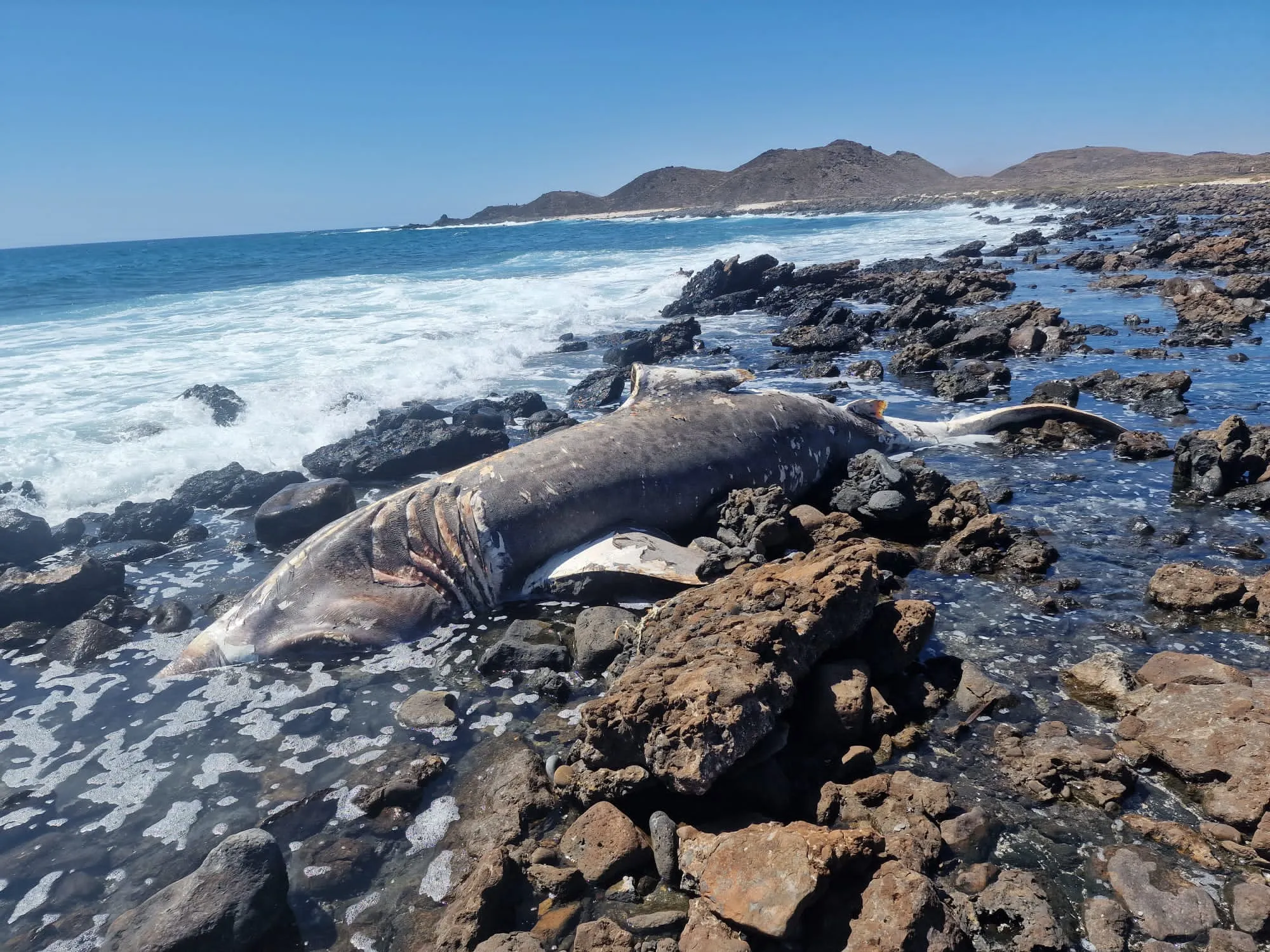
Recently, a remarkable event unfolded off the coast of Lobos Island, where a 7.9-meter-long basking shark (Cetorhinus maximus) was found stranded. This discovery occurred on April 15th, prompting immediate action from the Environmental Service representatives of the Cabildo. These dedicated agents quickly mobilized to the eastern coast of the island to gather crucial biometric data. The goal? To deepen our understanding of this magnificent species and contribute to its conservation.
Community Awareness and Involvement
In proximity to the discovery site, informative signage has been strategically placed. These signs not only invite visitors to remain on the designated paths but also emphasize the importance of the stranded shark as a subject of ongoing scientific study. Such initiatives highlight the significance of community awareness regarding marine conservation, encouraging a spirit of cooperation between residents and environmental agencies.
Handling Stranded Marine Life
When a marine specimen washes ashore, the Environmental Service evaluates the situation carefully. Various factors come into play, including the specific species involved and the health of the individual. The Cabildo of Fuerteventura actively collaborates with different organizations to facilitate the transfer of stranded cetaceans and sea turtles for further research. This partnership underscores a shared commitment to scientific investigation and species conservation, shedding light on marine ecosystems.
Beneficial Role of Stranded Species
Interestingly, the carcasses of marine animals serve a dual purpose within the ecosystem. They provide a vital food source for scavengers and enrich the surrounding environment with nutrients. This natural process plays an essential role in maintaining ecological balance, showcasing how every part of the marine food web is interconnected.
The Role of the Public in Conservation Efforts
Lola García, the counselor for Environmental Sustainability, stresses the importance of public involvement when it comes to reporting sightings of injured wildlife. Quick notifications allow the Environmental Service to respond effectively, enhancing the chances of a successful intervention. Citizens’ active participation is invaluable in these efforts, fostering a collective responsibility towards the protection of marine life.
Understanding the Basking Shark
The basking shark is not just another fish in the ocean; it is the second-largest species of shark globally, capable of reaching lengths of up to 12 meters and weighing as much as 4 tons. These gentle giants inhabit the cooler and temperate waters of the Atlantic and Pacific Oceans, where they filter plankton from the seawater using their massive mouths. The fact that basking sharks are one of only three shark species that feed this way highlights their unique ecological niche.
Conservation Challenges
Despite their fascinating biology, basking sharks face numerous threats, including habitat loss, fishing pressures, and climate change. Ongoing research and conservation efforts are vital to ensure that this species continues to thrive in its natural habitat. Understanding their habits and migratory patterns is crucial for developing effective protection strategies.
With initiatives like those taking place at Lobos Island, there’s hope that the future of the basking shark—and other marine species—can be secured through informed scientific inquiry and community involvement. By fostering a culture of awareness and collaboration, we pave the way for more sustainable coexistence with the magnificent creatures that inhabit our oceans.