Advancing Decarbonization: Antigua’s Solar Initiative for Water Management
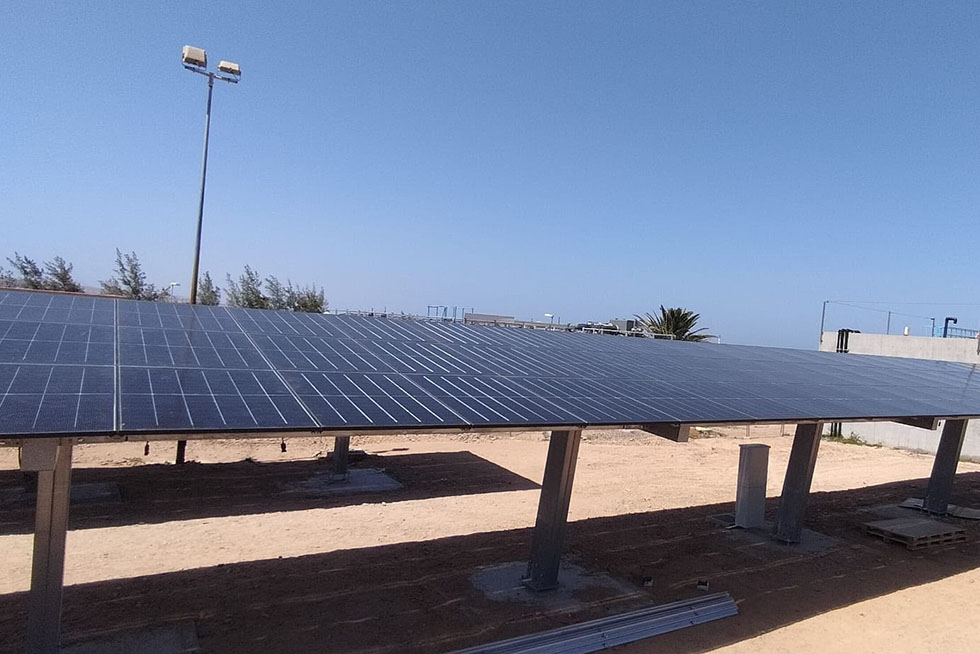
The Ayuntamiento de Antigua is taking significant strides towards a greener future with the establishment of two new solar photovoltaic facilities, boasting a total capacity of 139.5 kWp. Mayor Matías Peña has declared this initiative a “decisive” step in the journey towards energy transition and sustainability, particularly concerning the management of critical infrastructures, such as the integral water cycle.
A Model for Sustainable Management
At the heart of this ambitious project are the two solar installations linked directly to the water sector. Mayor Peña emphasizes that these initiatives are not only a step forward in sustainability but also serve as a successful model that intertwines ecological responsibility with economic efficiency in public management. This convergence suggests that prudent environmental practices can generate financial benefits, thus paving the way for a more sustainable future.
Financially Backed Initiatives
The Empresa Mixta de Aguas de Antigua, S.L. spearheaded these solar projects with an impressive investment of €277,189.52. A significant portion of this funding stems from European public funds, with a notable €215,303.89 allocated through grants aimed at promoting photovoltaic energy generation in anthropized spaces. This funding is part of the broader strategy for sustainable energy across the Canary Islands, supported by the European Union through the Recovery, Transformation, and Resilience Plan. Notably, the European backing constitutes 77.6% of the total financing, showcasing significant institutional support for renewable initiatives.
Triple Impact of the Solar Projects
The municipal council highlights a “triple impact” from these new photovoltaic systems: sustainability, cost savings, and decarbonization. By placing these solar facilities on already transformed spaces, the environmental impact on natural territories is minimized. This strategic decision ensures three vital benefits: a substantial reduction of the carbon footprint, optimization of operational costs, and a firm push towards decarbonization.
These factors collectively signify that the integration of clean energy sources into public service management can lead to a more sustainable and economically viable approach to essential utilities.
Water-Energy Nexus in the Canary Islands
The relationship between water and energy in the Canary Islands is of utmost importance, and these projects underscore the significance of this connection. By utilizing anthropized spaces for clean energy generation, the initiative not only protects the environment intelligently but also ensures more efficient and competitive resource management over the long haul. This strategic alignment of water and energy resources sets a precedent for future initiatives that could leverage similar synergies across the archipelago.
Commitment to Sustainability and Innovation
Both solar projects are integral to the broader strategy for decarbonization in the Canary Islands, with strong backing from European financial resources under the NextGenerationEU framework. This commitment showcases Antigua’s dedication to innovative public service management and sustainability, establishing a benchmark for other municipalities. The focus on renewable energy sources reflects a progressive understanding of the challenges posed by climate change and the ongoing necessity for adaptable, resilient infrastructures.
In summary, Antigua’s investment in solar technology for its water management systems represents a comprehensive, forward-thinking approach to municipal governance that prioritizes environmental responsibility, economic efficiency, and community well-being. This initiative not only provides immediate benefits but lays the groundwork for a more sustainable future, demonstrating the vital role public institutions can play in addressing global environmental challenges.


