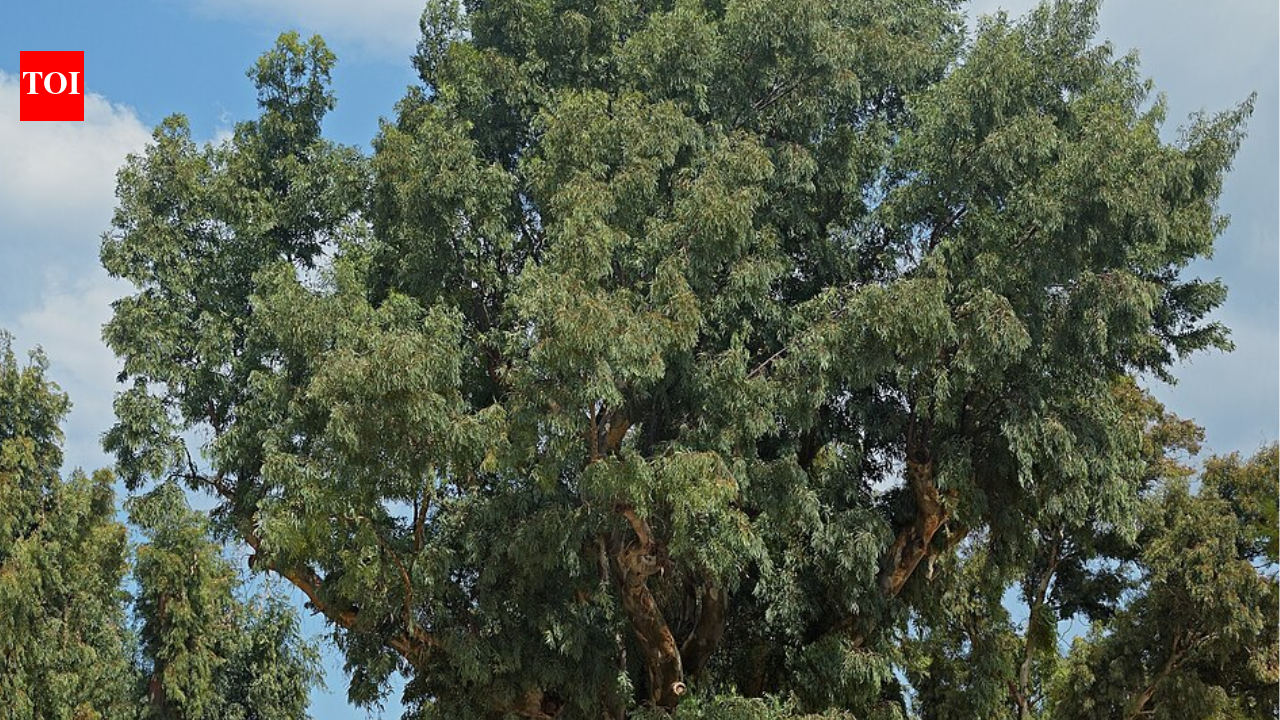
The Eucalyptus Dilemma: Spain’s Green Deserts
What was once hailed as a boon for Spain’s timber industry is now raising significant environmental concerns. The vast eucalyptus plantations that have flourished in the northwestern region of Spain since the 1940s are now being scrutinized for their ecological impact. Initially planted to meet the growing demand from the paper and pulp industry, these fast-growing Australian trees have become a double-edged sword.
The Rise of Eucalyptus Plantations
Eucalyptus trees were introduced to Spain as a solution to timber shortages. Their rapid growth and ability to thrive in various conditions made them an attractive option for landowners. However, while these plantations may appear lush and forest-like from a distance, they function quite differently from native woodlands. Native forests are rich ecosystems, teeming with diverse species of trees, shrubs, insects, and fungi that have co-evolved over centuries. In contrast, eucalyptus plantations are often monocultures, characterized by a simpler vegetation structure that provides fewer food sources for wildlife.
The Impact on Biodiversity
Recent research from the University of Santiago de Compostela (USC) and the National Research Council of Spain (CSIC) has shed light on the ecological consequences of eucalyptus plantations. The study, published in Forest Ecology and Management, examined 240 sites around the Fragas do Eume Natural Park in Galicia, one of the last remnants of Atlantic coastal forests on the Iberian Peninsula. The findings revealed a troubling correlation: the presence of eucalyptus was a strong indicator of declining bird diversity.
Eucalyptus forests were found to host fewer bird species compared to the native forests surrounding them. Even mature eucalyptus trees fail to replicate the ecological services provided by native trees. Species such as the great spotted woodpecker and the coal tit struggle to thrive in these plantations due to a lack of insects and nesting cavities, leading scientists to label them as “green deserts.”
Understanding the ‘Green Desert’ Phenomenon
Despite their seemingly vibrant appearance, eucalyptus plantations are often less biologically diverse than natural woodlands. One reason for this is the phenomenon of allelopathy, where eucalyptus trees secrete chemicals into the soil that inhibit the growth of many native species. This reduction in native flora leads to a corresponding decline in insect populations, which in turn diminishes the food supply for birds.
Moreover, eucalyptus plantations are typically harvested every 10 to 15 years for commercial purposes, preventing the development of hollow trees that many woodland birds rely on for nesting. The economic value of these forests complicates the situation further, as they contribute significantly to local economies.
Economic Considerations
According to the A Cadea Forestal-Madeira de Galicia 2025 report, Galicia’s forestry and wood sector generates an estimated €2.5 billion annually and employs over 19,000 people. Eucalyptus is one of the region’s most economically valuable tree species, primarily due to its rapid growth and utility in the pulp, paper, and timber industries. This economic significance has made it challenging to implement protective measures for native ecosystems.
In 2017, a proposal to classify eucalyptus as an invasive alien species was put forth by the Scientific Committee of the Ministry for Ecological Transition of Spain. However, economic concerns led to the proposal’s rejection, highlighting the tension between economic interests and environmental protection.
Exploring Alternatives
Interestingly, scientists do not advocate for the outright destruction of eucalyptus plantations. Instead, they propose a more balanced approach: maintaining strips of unmanaged indigenous vegetation within these plantations. This strategy would allow for the natural regeneration of shrubs, grasses, and native trees, providing essential habitats for insects and birds without disrupting existing forestry practices.
Such an approach could be a cost-effective way to enhance biodiversity while still supporting the timber industry. By attracting insect-eating birds, these strips of native vegetation could help restore some ecological balance to the landscape.
A Broader European Issue
The challenges posed by eucalyptus plantations are not confined to Spain. In Portugal, eucalyptus occupies over 800,000 hectares, making it the most common forest tree species in the country. Research has also explored the role of eucalyptus in severe fires and their broader environmental impacts outside of Australia, where the tree is native.
Ongoing studies aim to understand how large-scale eucalyptus plantations could alter the ecology of Mediterranean and temperate climates. The findings suggest that it is possible to balance forestry practices with biodiversity protection, but this requires careful planning and management.
In summary, the story of eucalyptus in Spain serves as a cautionary tale about the complexities of land use and environmental stewardship. As we navigate the challenges of modern forestry, it becomes increasingly clear that sustainable practices must be prioritized to protect our native ecosystems.