In the world of music, every tour is a spectacle, filled with electrifying performances and unforgettable moments. However, behind the scenes, there’s a less glamorous reality: leftover merchandise. No matter how popular an artist may be, every tour inevitably leaves behind unsold inventory—be it leftover sizes, outdated designs, or simply an overestimation of demand. This surplus often ends up languishing in warehouses, representing not just wasted material but also lost revenue.
Recognizing this issue, one of the music industry’s leading merchandise companies, Universal Music Group’s Bravado, is taking a bold step towards sustainability. Recently, they announced a groundbreaking initiative: over 400,000 obsolete or unsold tour shirts have been transformed into new recycled cotton blanks. Instead of creating fresh garments from virgin cotton, Bravado partnered with textile recycling specialist Hallotex in Morocco, where these shirts underwent a six-week mechanical recycling process to become new yarn.
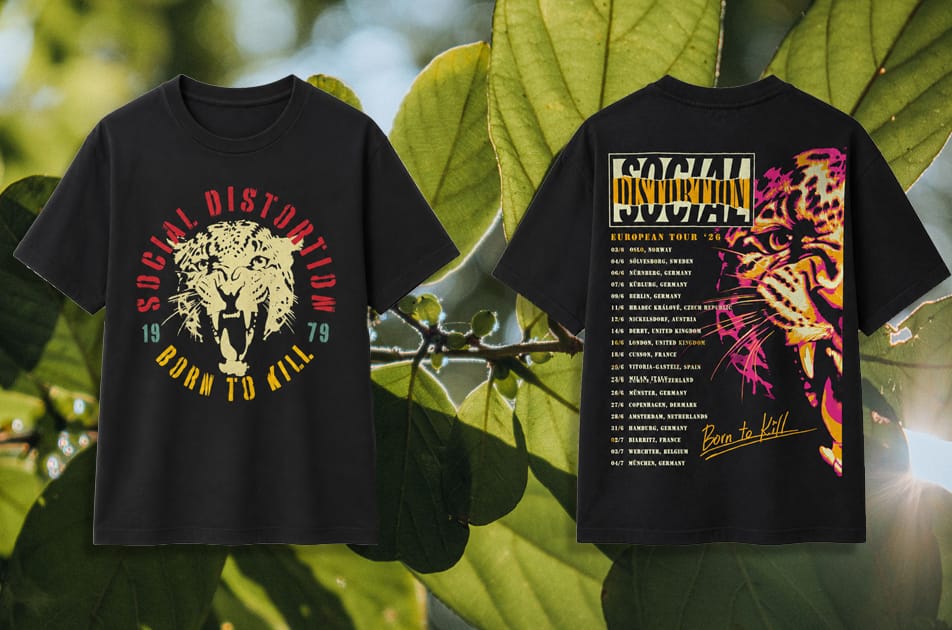
The outcome? An impressive 280,000 new 100% recycled cotton t-shirts and hoodies that artists can now print and sell on tour. The first band to utilize these eco-friendly blanks is Social Distortion, whose current European tour features merchandise made from this recycled material.
A Different Kind of Circular Economy
Discussions around sustainability in the live music industry have often centered on transportation, renewable energy, and plastic reduction. Merchandise, however, has typically been treated as a separate issue. The production of apparel carries its own significant environmental impact. Cotton farming consumes vast amounts of water, textile manufacturing is energy-intensive, and unsold inventory frequently ends up as waste.
Enter the concept of upcycling. What if yesterday’s unsold merchandise could become tomorrow’s best-selling tour item? This innovative approach not only addresses environmental concerns but also tackles a persistent business challenge for artists. Many touring acts face the uncertainty of ordering merchandise months in advance, hoping that demand aligns with their projections. Even with meticulous planning, artists often find themselves with boxes of unsold inventory after a tour concludes. By finding ways to recover value from these garments, both the environment and the bottom line benefit.
Billie Eilish: A Green Touring Advocate
It’s no surprise that Maggie Baird, environmental activist and mother of Billie Eilish, played a pivotal role in catalyzing this project alongside Bravado’s sustainability team. Billie Eilish has long been recognized as one of the strongest advocates for sustainability in touring. Her recent tour, HIT ME HARD AND SOFT: THE TOUR, featured an Eco-Action Village at every stop, where fans engaged with organizations focused on climate action, food justice, and civic engagement. This initiative was supported by REVERB, Support+Feed, local nonprofits, and dedicated fans.
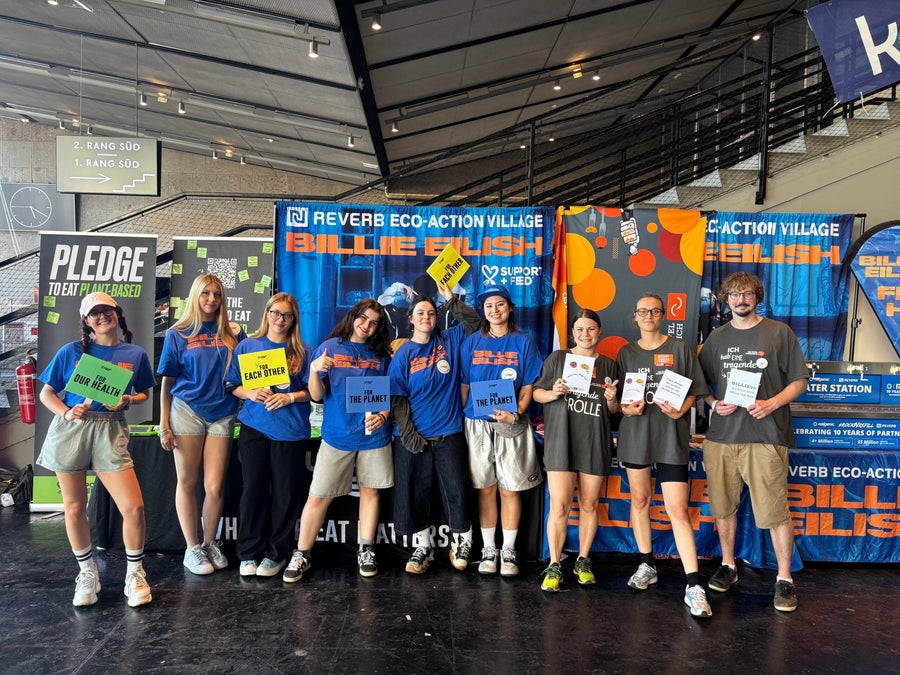
Her tours have encouraged fans to adopt refillable water bottles, promoted plant-based food options at venues, reduced single-use plastics, and collaborated with merchandise suppliers to enhance the environmental impact of tour apparel. This latest recycling initiative extends that philosophy beyond fan behavior and into the very fabric of the manufacturing process.
The Bigger Opportunity
While Social Distortion is the first artist to utilize these recycled blanks, they certainly won’t be the last. Bravado has indicated that innovations developed alongside environmentally conscious artists like Billie Eilish and FINNEAS have already influenced merchandise programs for other notable artists, including Paul McCartney, Lorde, and Shawn Mendes. The company has also explored various circular merchandise initiatives that transform old inventory into entirely new products instead of discarding them.
By processing hundreds of thousands of garments into new tour-ready inventory, the industry may finally be approaching a point where circular manufacturing becomes commercially viable rather than merely aspirational. This shift not only holds promise for the environment but also for the future of merchandise in the music industry.
+Read more: “Musician’s 2026 Guide to Responsible Merch”


