Revitalizing Historical Heritage in the Canary Islands: A New Initiative
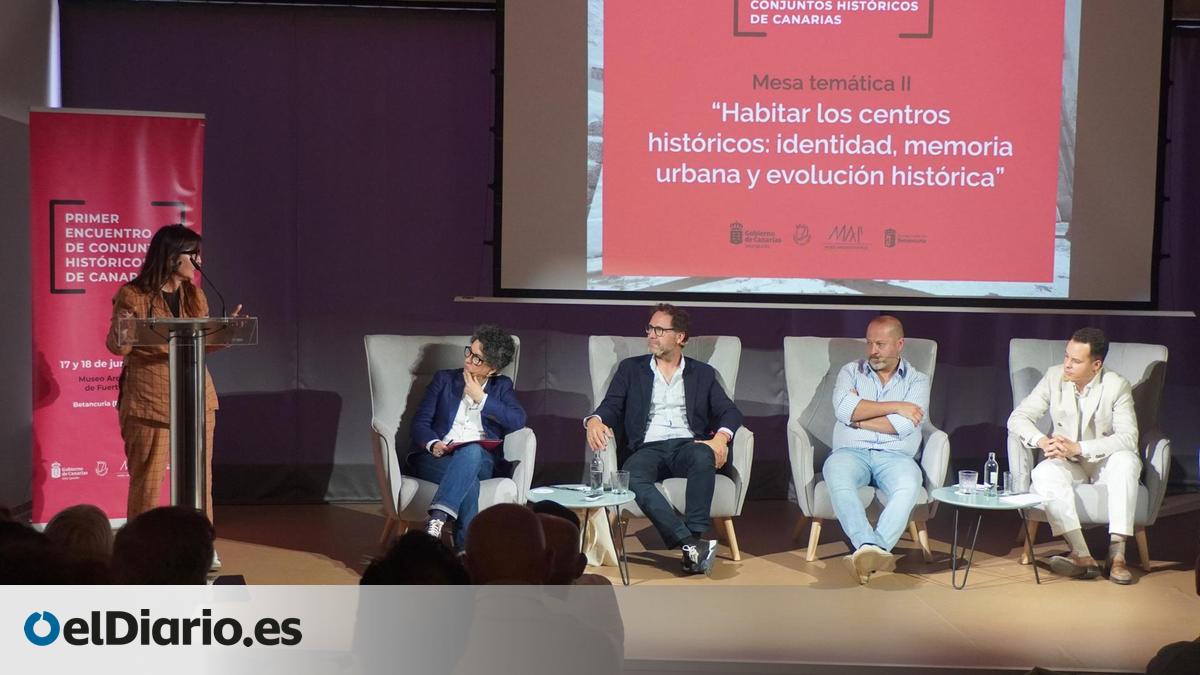
The Government of the Canary Islands has taken a significant step forward in preserving its rich cultural heritage by committing to a shared strategy aimed at the conservation and revitalization of the archipelago’s historical sites. This initiative was officially announced during the conclusion of the I Encounter of Historical Sets of the Canary Islands, which brought together over 20 specialists at the Archaeological Museum of Fuerteventura (MAF).
Establishing the Betancuria Declaration
During the event, Miguel Ángel Clavijo, the Director General of Culture and Cultural Heritage for the Canary Government, emphasized the importance of this initiative, stating, “Betancuria will mark a before and after.” This proclamation, based on discussions held in dedicated working groups, reflects a significant turning point in how historical sites will be managed moving forward.
A Commitment to Cooperation
Clavijo further stressed that the regional government “is committed to leading a new chapter for the historical sites of the archipelago.” This commitment is rooted in collaboration, shared knowledge, and a cohesive vision for the future. By bringing together varied stakeholders, including local governments and community entities, the initiative seeks to reinforce the cultural identity of the Canary Islands and ensure sustainable development.
Key Initiatives for Heritage Management
To achieve these objectives, the Directorate General of Culture and Cultural Heritage has unveiled three key initiatives aimed at enhancing the management of these Cultural Heritage Assets (BIC). The approach emphasizes stronger ties between citizens and their heritage, which has been developed in partnership with the Cabildo of Fuerteventura and the City Council of Betancuria.
Creation of an Observatory
The cornerstone of this initiative is the establishment of an Observatory. This will serve as a permanent space for collaboration, learning, and engagement among the Government of the Canary Islands, insular councils, and municipalities.
The Observatory will provide a platform for decision-making and the formulation of future public policies. It will also act as a network to share best practices, analyze common challenges, and foster collective knowledge across the archipelago.
Comprehensive Diagnosis for Strategic Planning
Additionally, the Heritage Department of the Ministry of Universities, Science, Innovation, and Culture will conduct a comprehensive diagnosis. This assessment aims to create an updated overview of the historical, social, economic, tourism, and territorial realities of these critical sites.
Based on this analysis, a tailored strategy will be formulated to enhance the conservation of historical sets, stimulate their revitalization, and solidify their roles as areas for identity and sustainable development.
New Tools for Citizen Engagement
Moreover, Clavijo announced that the administration is already working on developing new outreach tools. Notably, a digital platform will be created to centrally manage activities aimed at community engagement, such as heritage routes. This initiative is designed to connect citizens with the cultural wealth of their regions, fostering a stronger bond with their communities.
Through these focused efforts, the Government of the Canary Islands aims to not only preserve its historical treasures but also to engage citizens in celebrating and revitalizing their shared cultural identity.