Unearthing History: The Rock Panel of Fuerteventura
The Discovery
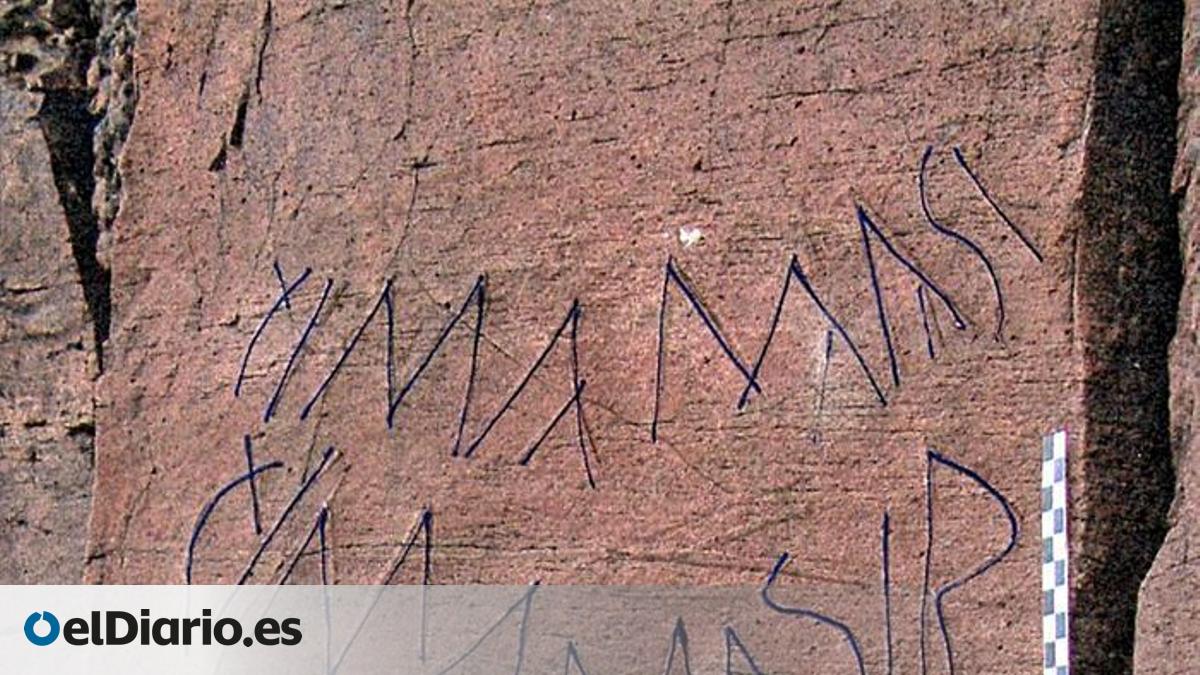
Nestled within the striking landscapes of Fuerteventura, archaeologists have uncovered a remarkable rock panel that could reshape our understanding of the ancient indigenous populations of the Canary Islands. This panel contains inscriptions in both Libyco-Latin and Libyco-Berber scripts, showcasing the phrase “hijo de Makuran” (“son of Makuran”) in both languages. This extraordinary finding emerges as a potential Rosetta Stone, shedding light on the alphabet and interactions of the pre-Hispanic inhabitants of these islands.
The Scientific Presentation
The research surrounding this discovery was presented in a paper titled La cumbre escrita. El Cuchillete de Buenavista by María Antonia Perera and José Juan Jiménez during the Journals of Studies of Fuerteventura and Lanzarote. The findings have been shared online through the General Archive of the Cabildo of Fuerteventura and the Museums of Tenerife. This collaboration indicates the growing interest in the history and culture of the Canary Islands.
Understanding the Inscriptions
José Juan Jiménez, curator of the Archaeological Museum of Tenerife, emphasizes that these inscriptions are not just random markings but potentially unlock a wealth of understanding about the ancient alphabets in use. He reveals that the panel features the phrase “hijo de Makuran y de Timamasi, hija de Timamasi” in Libyco-Latin, showcasing the family connections within the social structure of these early islanders.
The Significance of Genealogy
The revelations from this panel are groundbreaking because they represent the first recorded “genealogy of kinship” discovered on the islands. It is astonishing to note that both Libyco-Latin and Libyco-Berber scripts were used contemporaneously, indicating a sophisticated understanding of language and identity among the ancient inhabitants of Fuerteventura and Lanzarote.
Dual Alphabets and Cultural Interactions
This duality implies that the islands were home to a community fluent in two different scripts, likely reflecting the historical interactions with North African cultures. The findings suggest that the same North African language was prevalent among the islanders, revealing a deep cultural connection. The alphabetic inscriptions found in these locations represent a significant innovation in the study of ancient colonization of the Canary Islands.
Migration Patterns and Tribal Identity
Jiménez’s analysis extends to the migration patterns of these ancient tribes, suggesting that they arrived in the eastern islands of the archipelago at the dawn of our era. This group remained largely isolated from external influences for over a millennium, leading to the unique cultural identifiers we see today.
Ancient Scripts: A Window into the Past
The dual use of Libyco-Berber and Libyco-Latin inscriptions underscores a rich tapestry of historical interactions that shaped the islands. This inscriptional simultaneity speaks to a shared heritage with North Africa, particularly areas such as Tripolitania, where similar scripts have been found.
Contextualizing the Scripts
The characters inscribed on the panel resonate with words related to ancestors, ethnic identities, deities, and celestial elements. This connection hints at a complex belief system and social structure woven into the fabric of ancient island life.
Techniques of Inscription
Interestingly, the techniques used for these inscriptions vary; Libyco-Berber inscriptions are typically found incised or pecked, whereas Libyco-Latin inscriptions are characterized by their linear etchings. This demonstrates the diversity in crafting methods between the scripts and possibly even reflects the varying influences across different islands in the archipelago.
Regional Variations in Script Usage
The research indicates that while Libyco-Latin inscriptions have so far only been found in Fuerteventura and Lanzarote, Libyco-Berber is prevalent across all the Canary Islands, albeit in different forms. This geographic distribution suggests varied adaptations of language and identity, providing insights into local practices.
Broader Implications for Indigenous Identity
The exploration of these ancient inscriptions offers an invaluable glimpse into the diverse writing systems utilized by the ancient inhabitants of the eastern Canary Islands. It reveals a shared cultural identity among the populations known as the “majos” or “maxies,” illuminating the interconnectedness of human experience in the region.
Names and Their Significance
The inscriptions also provide insight into the common practice of naming conventions, highlighting names like aumacuran and timamasi that correlate with other North African inscriptions. These connections imply a broader cultural discourse that transcends geographical boundaries.
Notable Findings from Cuchillete de Buenavista
One of the standout discoveries from Cuchillete de Buenavista includes the inscription of names using the Libyco-Latin alphabet, such as Timamasi Timamasir Avmakuran. This is a significant identification not only of lineage but also of tribal traditions, as it roots back to the nomenclature found in North Africa.
Reflections on Maternal Heritage
Diving deeper into the inscriptions, the work of archaeologists like Díaz-Montexano reveals familial structures with mentions of a mother named Timamasi and her ancestral ties. This underlines the profound connections that existed in the community and their ancestral narratives rooted in the landscape of North Africa.
In summary, the investigation of this remarkable rock panel on Fuerteventura offers not only an important educational insight but also paves the way for a deeper appreciation of the insular cultures that once thrived in the Canary Islands. This discovery brilliantly illustrates how language, identity, and community intertwine, providing dimensions that expand our understanding of cultural evolution in historical contexts.