Juan Cabrera: New Mayor of Antigua
A Significant Political Shift
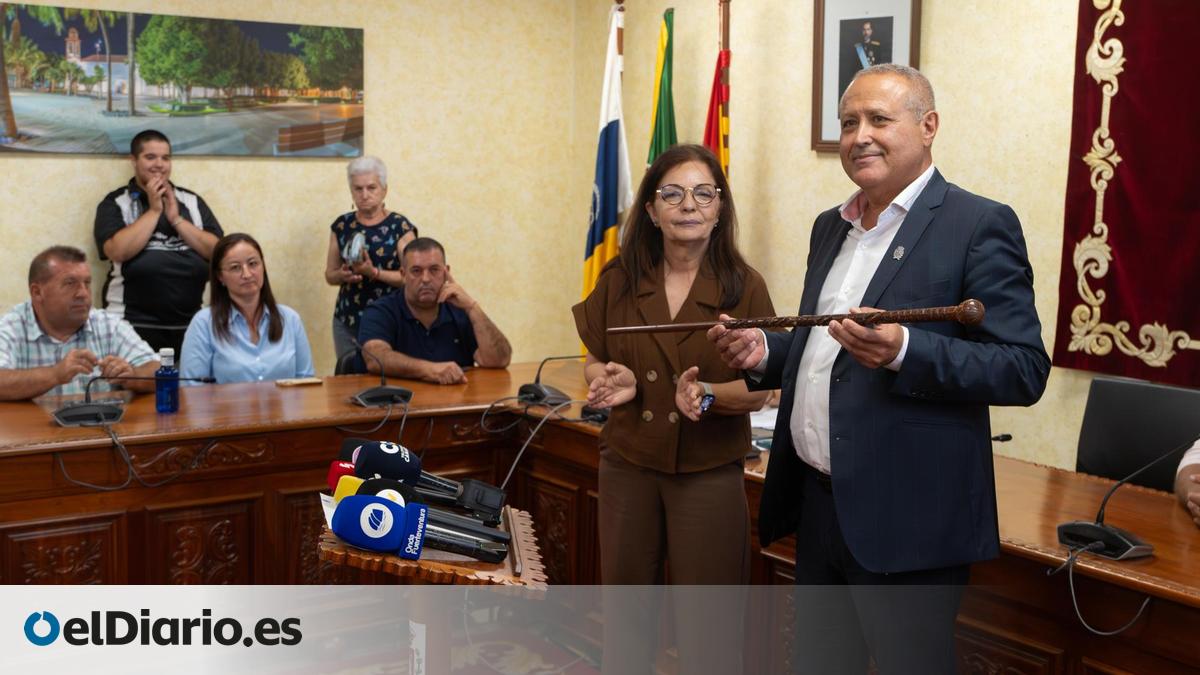
In a noteworthy turn of events, Juan Cabrera, a councilor from the Asambleas Municipales de Fuerteventura (AMF), has been appointed as the new mayor of Antigua, following a successful motion of no confidence against Matías Peña, who had served as mayor since 2019. This political maneuver indicates a substantial shift in local governance and reflects the evolving dynamics among various political factions in the region.
The Vote of Confidence
The no-confidence motion was passed with nine votes in favor, which included contributions from AMF, the Popular Party (PP), Coalición Canaria (CC), and the independent councilor from Contigo. In contrast, the seven councilors from Alternativa por Antigua and the representative from the PSOE opposed the motion. Cabrera officially took possession of the mayoral office shortly after 1:20 PM, marking a new chapter for the municipality.
Concerns Over the Outgoing Mayor
The supporters of the no-confidence motion laid down their arguments clearly, citing Matías Peña’s alleged “capacity issues” when it comes to addressing security concerns in the municipality. They have also criticized his administration’s management of personnel and the reported blockage of investments from external bodies. These grievances highlight a growing discontent among local representatives and citizens regarding Peña’s leadership.
A New Vision for Antigua
In his first address as mayor, Cabrera, who previously held positions relating to public works and parks, pointedly criticized Peña. He characterized his predecessor as a “unipersonal leader,” emphasizing the failure to adhere to a 2023 agreement that envisioned alternating the mayor’s role between the two.
Now at the helm, Cabrera made it clear that his administration aims to foster unity among public institutions. He expressed a commitment to advancing various projects, including road repairs and enhancements to local playgrounds, ensuring that these initiatives are executed with transparency and integrity. His focus appears to be firmly rooted in community service and collaboration.
A Message of Democracy
Cabrera underscored his dedication to prioritizing the needs of local residents, asserting that “democracy will now reach the municipality of Antigua.” This strong statement reflects an intention to restore public trust and engage with the community actively.
Matías Peña’s Departure
After the vote concluded, Peña left the council chamber without addressing the press, a move that many interpreted as an indication of his discontent with the proceedings. Earlier, he opted not to engage in the political squabbles during the session, directing his remarks towards gratitude for the municipal employees instead. This muted reaction could suggest either a strategic retreat or resignation.
Election Insights
Notably, Alternativa por Antigua, led by Matías Peña, emerged as the leading party in the 2023 elections, garnering 33.6% of the vote and securing seven councilors. However, the need to negotiate alliances to achieve a governing majority revealed cracks in the coalition, particularly given the eventual exit of the CC representatives from the governing group earlier this year.
Reasons for the No-Confidence Motion
David Alberto, the spokesman for CC, articulated creased concerns regarding Peña’s management style, describing it as exhibiting a “presidential attitude” devoid of meaningful dialogue with the other council members. He positioned the increasing sense of insecurity in the municipality as a consequence of this leadership approach, alongside a struggling local police force expected to lose ten agents in the upcoming year.
Moreover, Alberto vocally criticized the alleged paralysis of municipal investments and charged Peña with maintaining closed doors to potential funding from other administrations, reflecting a broader frustration among council members.
Looking Forward
In support of Cabrera’s new leadership, Joana Verde, spokesperson for the PP, affirmed the urgency for the new administration to rekindle community trust by driving forward essential projects. She emphasized the prospect of a renewed dialogue and collaborative ethos between citizens and their government.
Giuseppe Signorino, from Contigo, echoed this sentiment, voicing optimism for a fresh beginning that prioritizes the interests and welfare of Antigua’s population. His alignment with other council members underlines a potential for synergetic governance moving forward.
This political evolution in Antigua not only marks a pivotal shift for local governance but also carries implications for future policy-making and community engagement.