Introduction to the Proposal
The Cabildo of Fuerteventura is set for a significant discussion in the upcoming plenary session, where the Popular Party (PP) will advocate for the implementation of a new fee aimed at preserving and managing the island’s protected natural spaces. This initiative is particularly focused on creating a sustainable model for the conservation of these vital areas, ensuring that local residents are not financially burdened while contributing to the protection of their unique environment.
The Context of the Initiative
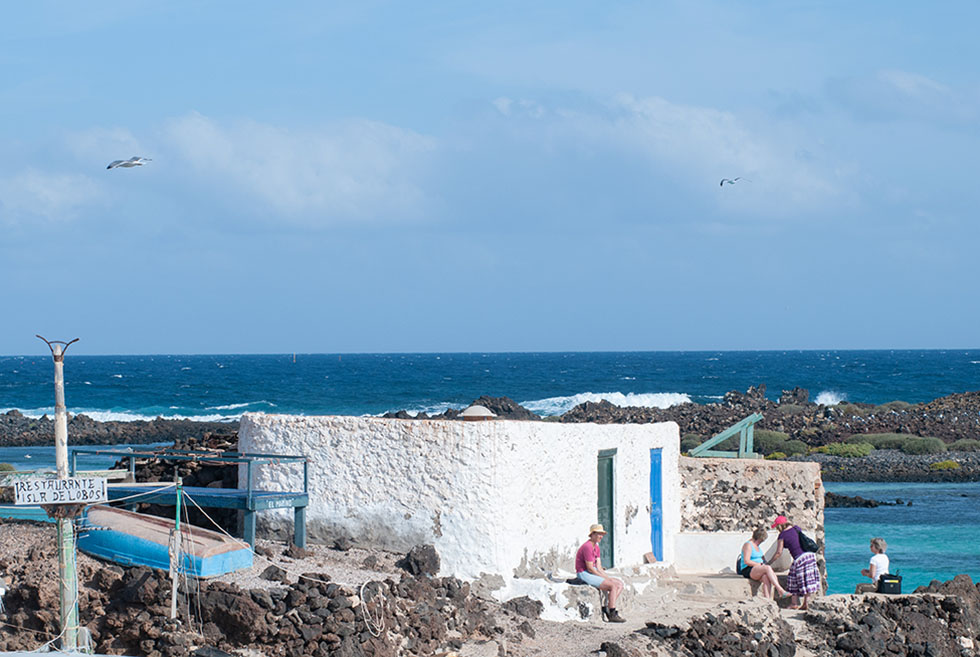
The proposed motion seeks to establish a Fiscal Ordinance that will regulate a usage fee for accessing renowned natural sites, including Isla de Lobos, Jandía Natural Park, and the Corralejo Dunes. The key feature of this initiative is the exemption it proposes for Fuerteventura residents and discounted rates for those from other Canary Islands. Claudio Gutiérrez, the spokesperson for the PP within the Cabildo, emphasized the importance of this initiative in securing the necessary resources to maintain the island’s rich natural heritage.
Rationale Behind the Proposal
The fundamental idea behind the initiative is to ensure that local residents, often referred to as “majoreros,” retain free access to their natural treasures. Gutiérrez stated, “Residents of Fuerteventura contribute significantly to the island’s sustainability, and they should not be treated as tourists in their own land.” This sentiment highlights the desire to maintain a sense of ownership and connection among locals, allowing them to engage with the natural spaces that define their identity.
Financial Implications and Fairness
The proposed fee structure intends to place a larger financial responsibility on national and international visitors, while offering reduced rates for Canary Island residents. This approach aims to create a more equitable system that honors the contributions of locals while still generating the revenue needed for conservation efforts.
The Path Forward: Legislative Framework
The PP has pointed out a notable delay in the necessary legislative frameworks for the proposed ecotasa (eco-tax), which was initially announced by the Cabildo’s president, Lola García. Although the plan for the eco-tax aimed to take effect this summer, the absence of the required fiscal ordinance, economic memorandum, and procedural documentation has sparked concerns.
Importance of Dialogue and Public Involvement
As part of this initiative, the PP calls for a transparent process in establishing the necessary fiscal regulations. They advocate for public participation, seeking input from local administrations, social collectives, business organizations, and environmental entities. This collaborative effort is critical for crafting a regulation that not only meets legal requirements but also reflects the needs and voices of the community.
Allocation of Funds
An important aspect of the proposal is the commitment that any revenue generated from this fee will be earmarked exclusively for environmental conservation activities. These activities may include habitat restoration, visitor monitoring, infrastructure improvements for public use, and the promotion of sustainable mobility in these areas. This targeted use of funds is intended to ensure that the natural spaces are preserved for future generations while enhancing the experience for all visitors.
Urgency of Implementation
With the summer season approaching, the PP has expressed frustration over the lack of progress in finalizing the legal tools necessary for implementing the eco-tax. They stress that the protection of Fuerteventura’s iconic natural spaces must be handled with priority and care, emphasizing the need for rigorous, transparent regulations that provide legal certainty.
By engaging in this multi-faceted dialogue around the proposed eco-tax, the Cabildo aims to foster a balanced approach to conservation, ensuring that both residents and visitors can enjoy the island’s natural beauty while contributing to its preservation.