Gerardo Mesa: The Voice of Fuerteventura’s Struggle
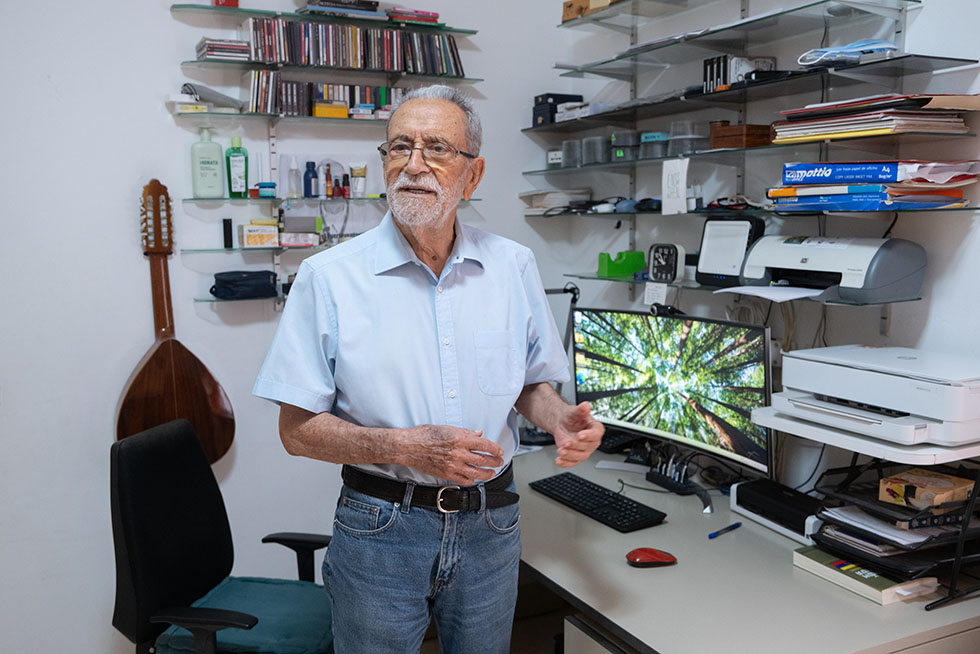
Gerardo Mesa, born in La Gomera in 1935, holds the distinction of being the first democratically elected president of the Cabildo of Fuerteventura, serving from 1979 to 1987. His leadership coincided with a tumultuous period in the island’s history, particularly regarding the presence of the Spanish Foreign Legion. Mesa’s tenure was marked by protests, political strife, and a deep commitment to advocate for the rights and dignity of Fuerteventura’s residents.
The Arrival of the Legion
The arrival of the Legion stationed in Fuerteventura had an immediate and overwhelming impact on the local population. “It was a tremendous visual shock,” Mesa recalls. With thousands of soldiers descending upon a island community of only eight to ten thousand individuals, the presence of the Legion was inescapable. In nearby Playa Blanca, a formerly peaceful residential area turned into a hub notorious for drug use and prostitution.
“The local populace was overwhelmed,” Mesa adds. With the influx of Legionnaires came societal disruptions, notably during the local fiestas where the military would impose their will through questionable practices. One notorious incident involved the electoral manipulation of the “Miss Puerto del Rosario” contest, where Legionnaires were ordered to vote for an officer’s daughter. This blatant interference ignited protests, further stressing the strained relationship between the locals and the military presence.
A Climate of Unease
This military occupation fostered an atmosphere thick with anxiety and resentment. Mesa noted the rise in hostility and protests that rippled through the community. The young soldiers, often eager for “blood and adventure,” sometimes showcased their aggression through acts of violence, including kidnappings and assaults. Mesa elucidates, “I wasn’t against the soldiers; I was against the Legion itself.”
Moreover, the negative impact of the Legion extended beyond mere visual disturbances; it escalated into acts of vandalism and violence. In August 1979, a notable airplane hijacking incident saw Legionnaires taking control of an Iberia flight, calling attention to the lack of control over the military’s recklessness.
Response to Protests
Mesa was not merely a passive observer; he became an outspoken advocate against the Legion. He emphasizes, “I witnessed continuous acts of abuse and intimidation.” During the protests, he would often be seen trembling yet resolute, holding signs against the military presence. “I would manifest my dissent shaking,” he recalls. His calls for disbanding the Legion were met with dismissive reassurances from officials, including King Juan Carlos I, who suggested a possible relocation rather than a complete dissolution.
Political Tensions
During the late 1970s, as Spain grappled with the transition from dictatorship to democracy, the atmosphere was volatile. The presence of extreme right sympathizers within the military only heightened tensions, with many Legionnaires exhibiting a blatant disregard for civilian life. According to Mesa, “There was a fear in Fuerteventura during the events of February 23, 1981,” also known as the 23F coup attempt. Some Legionnaires even celebrated the coup, raising alarms among local leaders.
In such a high-stakes environment, Mesa vividly remembers an incident involving the son of a prominent military figure. During a ceremony, he was assaulted when the man demanded respect for the flag. Mesa’s frustration with military overreach was met with a government statement that absurdly claimed he was at fault for not keeping his feet together while honoring the flag.
The Formation of Asamblea Majorera
Mesa’s journey as a local leader led to the formation of the Asamblea Majorera (Majorera Assembly), a significant step towards political engagement for the people of Fuerteventura. “During that time, the church and army were taboo subjects. Nobody dared to express dissent, but we were bold enough to protest,” he reflects. The Assembly became a platform for locals to voice their discontent and work towards establishing their rights in the face of military oppression.
Personal Risks and Realities
Mesa admits that he faced significant personal danger while advocating for the rights of his constituents. In one memorable encounter, an armed Legion officer entered his home looking for him due to his vocal opposition to military actions. “Sure, I felt fear,” he acknowledges, “but my fight was against the ideology and not the man.”
He reflects on his time in UCD (Union of the Democratic Centre), noting the challenges of balancing political loyalty with humanitarian concerns. While some within the party supported military oversight, there was always a faction that condemned their actions.
Reflection on a Difficult Era
Gerardo Mesa’s account of his years in Fuerteventura offers a vivid portrait of a region grappling with complex socio-political dynamics. As he reflects on those years, he recognizes the lingering effects of four decades under Franco’s regime and the fear that often held people back from speaking out.
Through collective resistance and his dedicated leadership, Mesa played a pivotal role in advocating for a dignified existence for the residents of Fuerteventura, at a time when dissent was met with militaristic aggression. His narrative becomes a testament not just to historical events but also to the broader human spirit striving for justice and community.