The Importance of Reflection in the Preservation of Historical Heritage in the Canary Islands
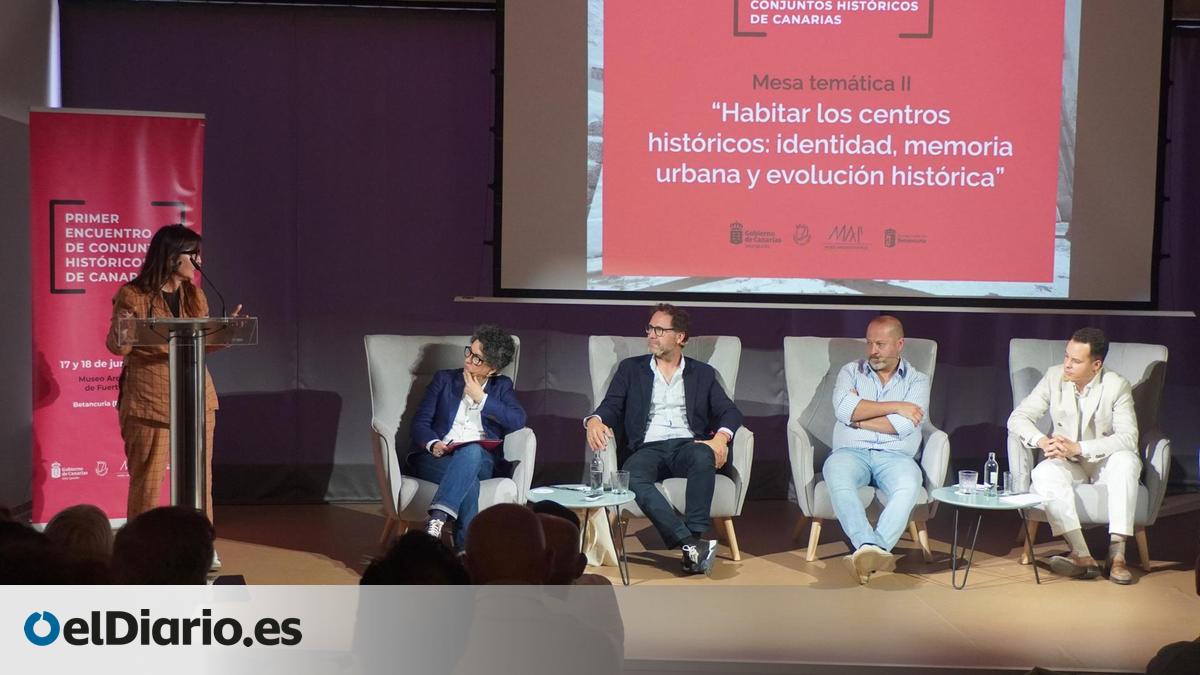
The Canary Islands, renowned for their stunning landscapes and cultural richness, are home to numerous historical ensembles that represent a vital part of the region’s identity. Recently, a significant dialogue commenced on the preservation of these unique sites. The first regional meeting, titled “Tiempo y Reflexión”, was inaugurated in Betancuria, where over fifty historical sets gathered to discuss pressing preservation issues. This event, organized by the Cultural Heritage Directorate of the Canarian Government, in collaboration with Fuerteventura’s Cabildo and the Betancuria City Council, marks a critical step in addressing the challenges faced by these treasured sites.
The Gathering of Experts
Bringing together around twenty experts and technicians, the meeting serves as a platform for discussion on how to maintain the integrity of historical areas in the face of several modern pressures. These pressures include increased tourism, population displacement, a decline in traditional commerce, and the complexities involved in administrative processes for heritage rehabilitation. The coming together of experts not only highlights the concern for heritage conservation but emphasizes the collaborative approach needed to tackle these multifaceted issues.
Addressing Common Challenges
Miguel Angel Clavijo, the Director General of Cultural Heritage for the Canarian Government, articulated pressing concerns regarding the historical ensembles of the archipelago, noting that “they have lacked the time and reflection” necessary for effective preservation strategies. This gathering aims to provide a platform for sharing insights and solutions among different municipalities while acknowledging the unique characteristics of each historical site.
Clavijo underscored the necessity for these historical sites to foster economic growth, suggesting that they should be “spaces where people can coexist,” balancing preservation with the needs of local residents. This insight reveals an essential aspect of cultural heritage: it must not only be preserved for its historical value but also adapted to serve contemporary needs.
Learning from Successful Models
The challenges faced are indeed daunting. Clavijo pointed out the importance of sharing successful examples from other municipalities, both within the Canary Islands and across Spain. However, he also emphasized that solutions must be tailored to the specific characteristics of each ensemble, recognizing that the needs of Betancuria are vastly different from those of San Cristóbal de La Laguna. Such nuanced discussions will enable more effective strategies tailored to the specific context of each community.
A Call for Institutional Declaration
One of the goals of this inaugural meeting is to formulate an institutional declaration aimed at empowering these historical sites to become “sources of progress” while safeguarding their heritage. The dialogue amongst experts is focused on creating actionable initiatives that blend the conservation of rich cultural legacies with the necessity for modernization.
Presence of Key Figures
The importance of this meeting was underscored by the presence of notable figures including Migdalia Machín, the Canarian Minister for Universities, Science, Innovation, and Culture; Lola García, the President of the Cabildo of Fuerteventura; Horacio Umpiérrez, the Vice-Minister for Culture and Cultural Heritage; and Enrique Cerdeña, the Mayor of Betancuria. Their attendance signifies the commitment from various levels of government to engage with and prioritize the preservation of the Canaries’ historical identity.
Exclusivity of Information
For those wishing to delve deeper into the complexities discussed during this meeting, exclusive content is available for registered users, providing access to comprehensive coverage and insights about ongoing efforts in heritage preservation.
This ongoing conversation represents a proactive step toward finding solutions that honor the rich history of the Canary Islands while addressing modern-day challenges. As communities come together to reflect on these issues, the hope remains that effective strategies will emerge to protect the unique charm of historical sites for future generations.