Ajuy, Vega de Río Palma, and Betancuria: A Bid for UNESCO World Heritage Status
The scenic landscapes and rich historical heritage of Fuerteventura are on the cusp of international recognition. The Cabildo de Fuerteventura, alongside several local municipalities, has initiated a passionate campaign to have Ajuy, Vega de Río Palma, and Betancuria recognized as a UNESCO World Heritage Site. This endeavor marks a significant collaboration among the towns of Betancuria, Pájara, Antigua, Puerto del Rosario, and Tuineje, uniting their diverse strengths to showcase their rich cultural and natural treasures.
A Collective Effort for Heritage
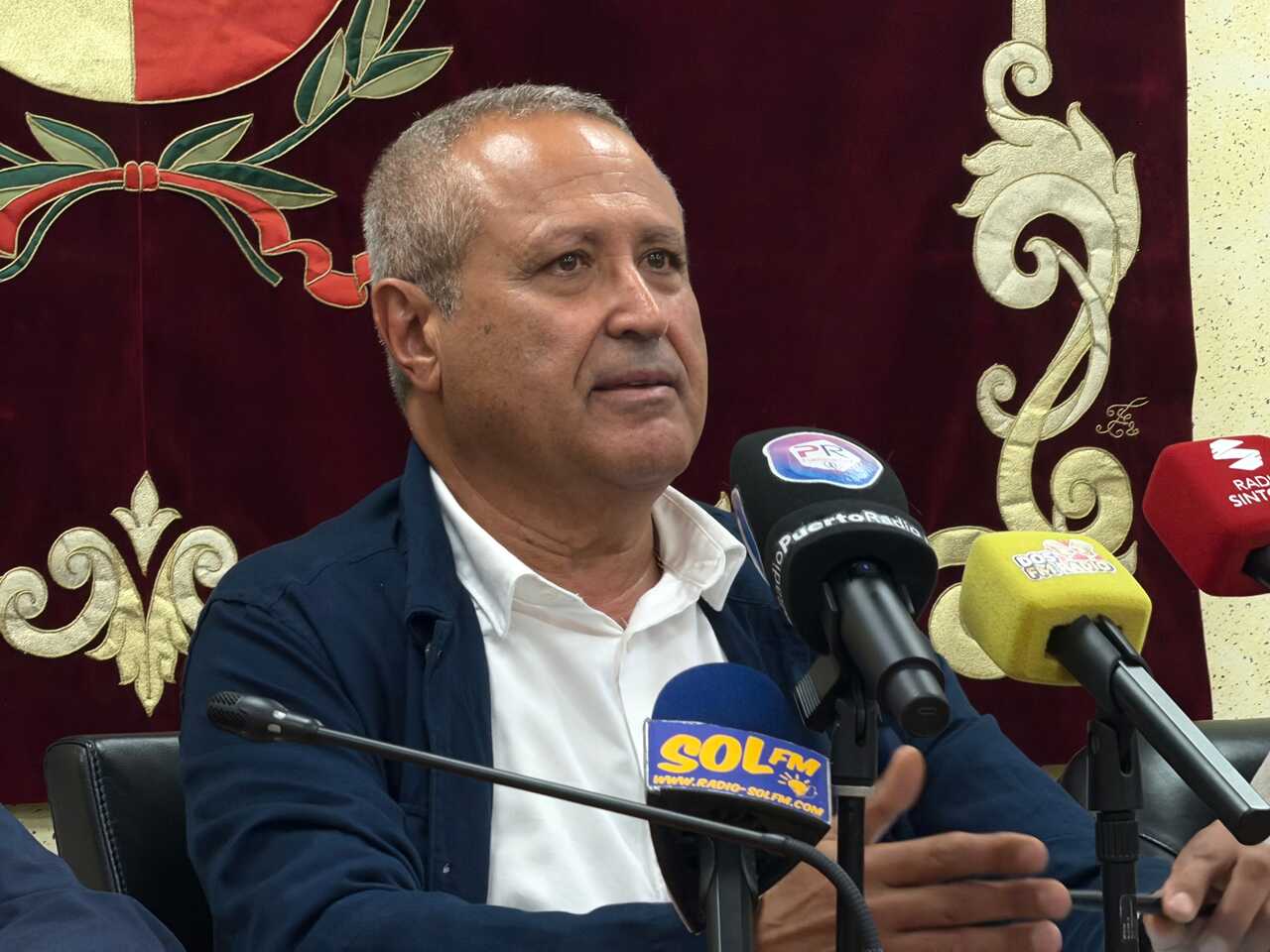
In a recent announcement, the President of the Cabildo, Sergio Lloret, joined forces with the mayors of Pájara and Betancuria, officially declaring their commitment to this ambitious initiative. The combined aim is to bring attention to an area that embodies unique geological formations, aboriginal sites, and historical significance. The focus will encompass the breathtaking barranco de Ajuy, the vital Madre del Agua, the fertile lands of Vega del Río Palma, along with the historic heart of the island, Betancuria. Noteworthy features like the Arco del Jurado and the ancient aboriginal site of Llano del Sombrero will also be part of this heritage narrative.
Richness in Diversity
What makes this application fundamentally compelling is the immense value of the artifacts and landscapes that emerge from the area. The towns involved emphasize the diversity of natural and historical elements that compile their unified heritage. For example, the millennial palmeral of Madre del Agua represents the origin of the Canary Island Palm, standing as a testament to the region’s rich botanical heritage.
In addition to botanical significance, the archaeological importance of Llano del Sombrero, an ancient aboriginal settlement, showcases the depth of human history on the island. Meanwhile, Betancuria—dubbed the “historical capital of the Canaries”—houses the first convent in the archipelago, reflecting the profound colonial and religious influence that shaped the islands.
Geological Wonders
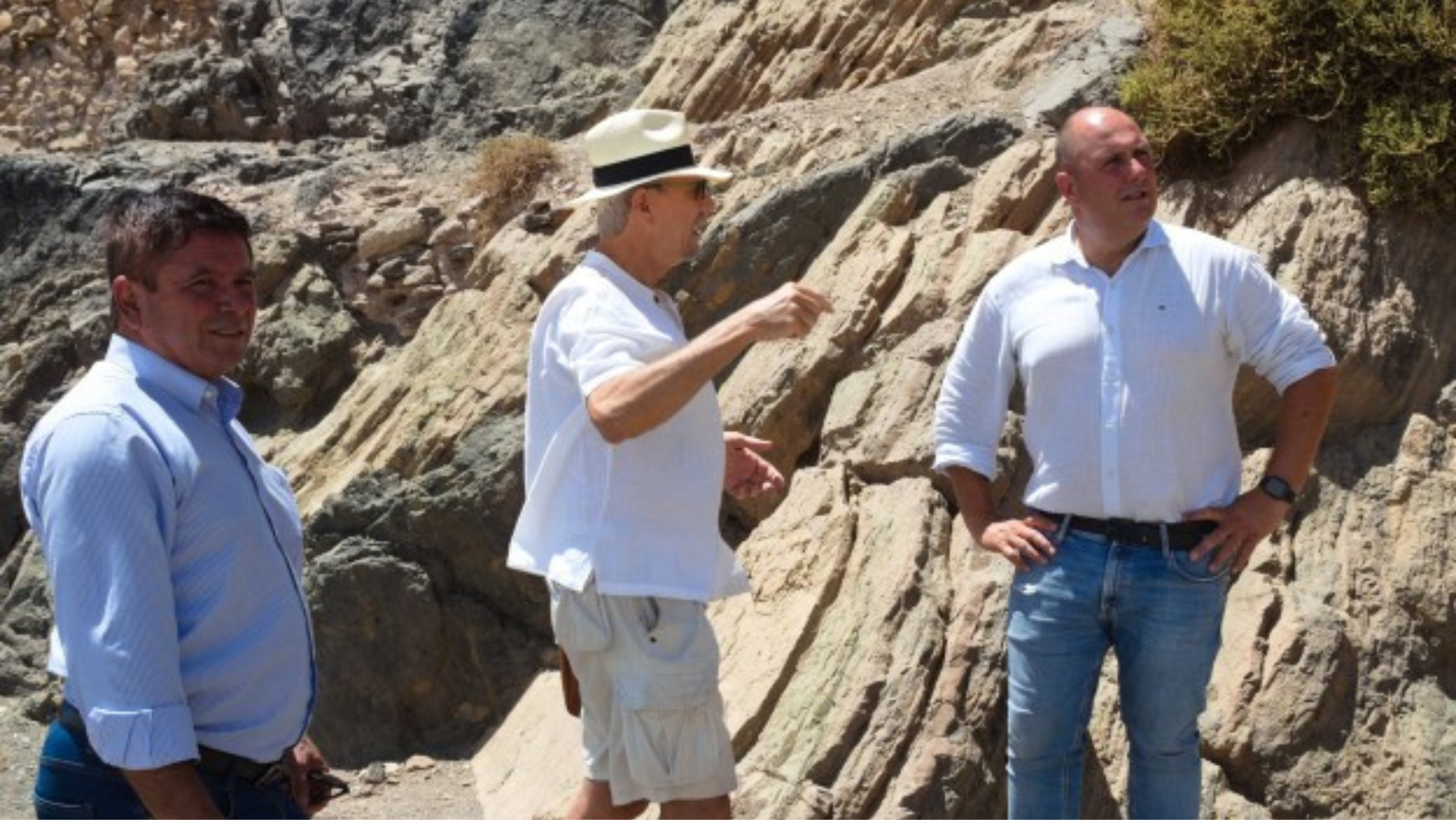
One of the most remarkable highlights of this bid is the discovery within the Finca de Ajuy. Recent studies identified the presence of the oldest rocks and paleodunes, or fossil dunes, in the Canary Islands, dated to over 100 million years old. This geological treasure predates the formation of Fuerteventura itself, leading to its nickname, the first stone of Fuerteventura. Such ancient geological formations not only add to the natural beauty but also offer vital insights into the planet’s geological history.
Significance of Recognition
The potential UNESCO status would mean more than just a title; it signifies a global acknowledgment of the unique attributes that create a compelling narrative for the region. By elevating the profile of Ajuy, Vega de Río Palma, and Betancuria, local authorities hope to foster a sense of pride among residents while promoting environmental conservation and responsible tourism. This recognition would encourage sustainable practices that safeguard the area’s heritage for future generations while also benefiting the local economy.
In sum, the united front of Fuerteventura’s municipalities in pushing for UNESCO World Heritage designation underscores the intrinsic value of their landscapes, cultures, and histories. The collaborative spirit highlights a collective vision for preserving the past while paving the way for future generations to appreciate the island’s rich tapestry of life and history. This bid is not merely about recognition but embodies a commitment to protecting and cherishing the natural and cultural legacy that defines Fuerteventura.