First Historical Set Meeting in Betancuria Highlights Challenges and Solutions for Canary Heritage
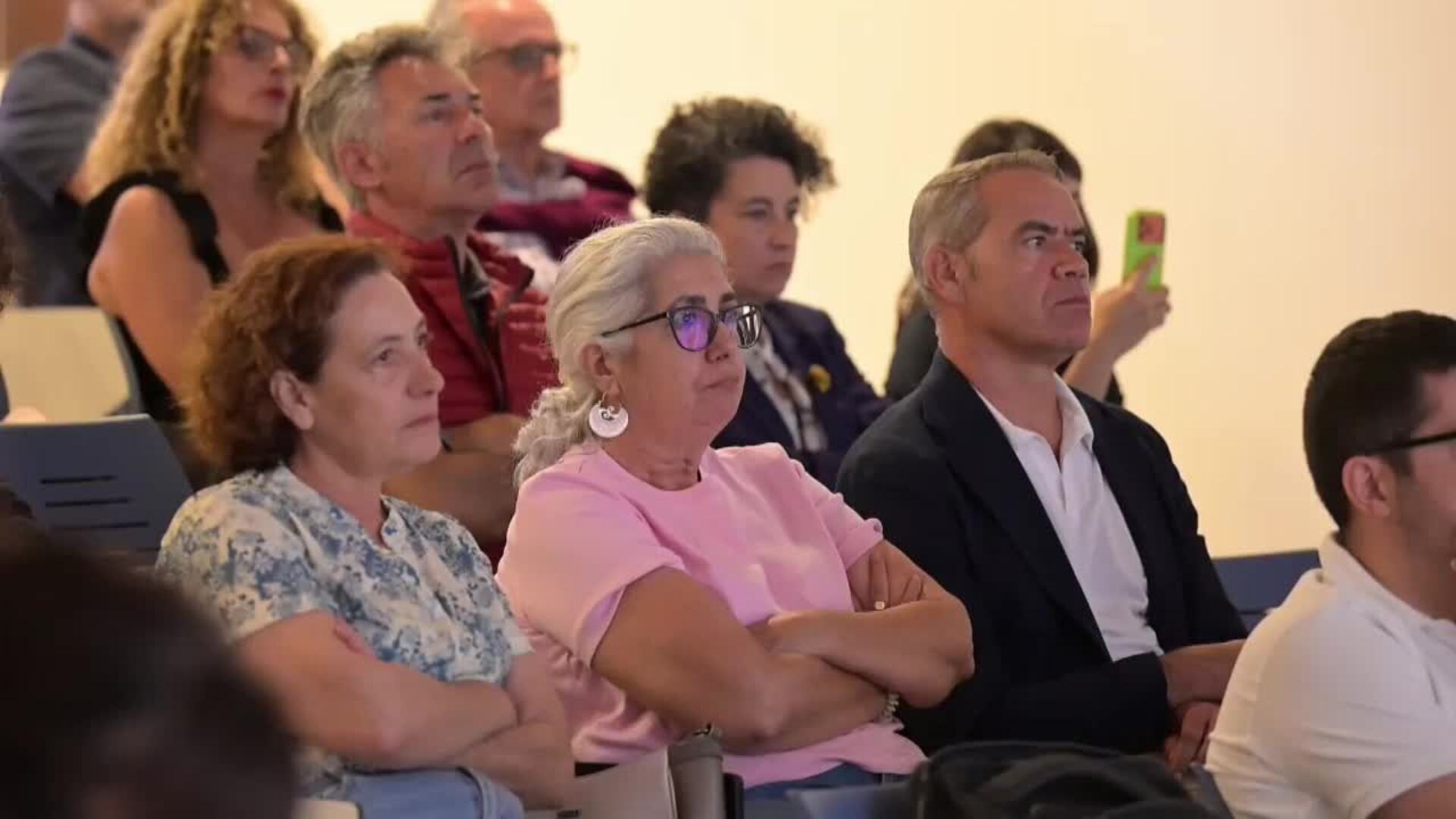
On June 17, 2026, Betancuria, a picturesque town in Fuerteventura, became the focal point for discussions around the preservation and promotion of historical heritage across the Canary Islands. The gathering saw around twenty experts come together for the First Meeting of Historical Sets of the Canary Islands, an event designed to foster dialogue, analysis, and reflection on the critical issues facing these culturally rich sites.
The Importance of Historical Heritage
The Canary Islands, known for their stunning landscapes and unique culture, are home to numerous historical sites that reflect the diverse influences that have shaped them over the centuries. The meeting encapsulates a growing recognition of the importance of preserving these sites, not just as monuments of the past but as living entities that contribute to the islands’ identity and economic vitality.
Experts at the event underscored how historical spaces serve as vital links to cultural narratives, creating a sense of place and community for residents and visitors alike. Preservation efforts can revitalize local economies through tourism, drawing interest from those eager to explore the islands’ rich heritage.
Challenges Facing Historical Sites
Despite their significance, many of the islands’ historical sites are grappling with severe challenges. During discussions, experts highlighted issues such as neglect, lack of funding, and insufficient regulatory frameworks that hinder effective preservation. For instance, the fading reputation of some can lead to a decline in visitor numbers, further destabilizing the economies of local communities relying on tourism.
One of the major points of discussion revolved around the absence of standardized laws to protect these areas. Without appropriate regulations, it becomes difficult to ensure their maintenance and promote sustainable tourism practices that would benefit both local residents and the broader economy.
A Platform for Solutions
What makes this meeting particularly exciting is its commitment to find solutions through shared experiences and collaborative efforts. By inviting experts from both national and international backgrounds, the event aims to harvest insights and best practices from various territories. This cross-pollination of ideas can lead to innovative approaches in tackling the pressing issues faced by historical sites.
Among the proposed solutions is the idea of creating a governance structure that facilitates clear communication and collaboration among stakeholders, including local governments, community members, and conservation specialists. Experts suggested leveraging technology, such as digital documentation and virtual tours, to enhance public engagement and education surrounding these historical locations.
Engaging Local Communities
Community involvement is another crucial topic on the agenda. Engaging locals not only aids in preserving cultural narratives but also ensures that the historical environments reflect the stories and traditions of the people who reside there. Organizing workshops and educational programs can encourage community members to take an active role in the stewardship of their heritage.
Moreover, raising awareness about the historical value of these sites can foster pride among residents, leading to a community-led initiative that emphasizes the necessity of conservation. By embracing a model of participatory heritage management, stakeholders can create an environment where preservation becomes a collective responsibility.
Future Implications
The discussions at the First Meeting of Historical Sets of the Canary Islands are not just confined to Fuerteventura; they resonate with broader themes relevant to regions with rich cultural heritages. The insights drawn from this event could pave the way for similar initiatives in other areas, fostering a network of heritage conservation efforts designed to protect and promote cultural landmarks around the world.
As the meeting unfolds over two days, it represents a critical milestone in the ongoing narrative of the Canary Islands’ historical identity. The efforts to create a solid framework for dialogue and action signify a proactive approach toward preserving the legacies that define the islands, ensuring they continue to inspire future generations.