The Intriguing Story of Nazi Links in Fuerteventura
A Spy in Paradise
On the surface, it reads like a thrilling spy novel, but it’s rooted in chilling historical facts. In November 1973, an FBI report sent to the CIA mentioned Fuerteventura, specifically Jandía, as a potential haven for Nazi operatives during and after World War II. The recently declassified document revealed that a man named Gustav Winter was acting on behalf of the Nazis in real estate transactions on the island.
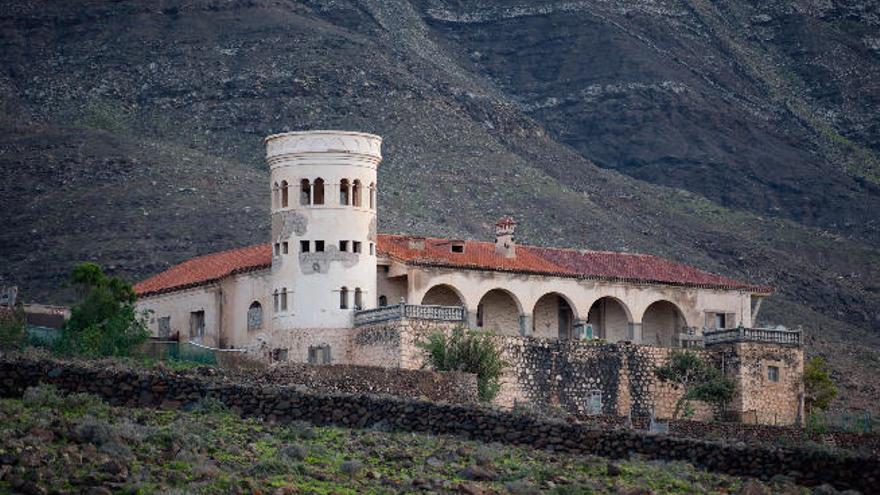
Winter, an engineer responsible for significant infrastructure projects—including the Canarian Electricity and Irrigation Company—gained a reputation as “Don Gustavo” among the locals. Rumors of his ties to Nazi espionage have swirled for decades, especially surrounding his fortified mansion in Cofete, where it’s believed high-ranking Nazi officials hid after lengthy submarine journeys.
The Legend and the Family Response
Despite the allure of this tale, Winter’s family has consistently denied the claims. Historians have contested the theory that German submarines docked discreetly along the hostile southern coast of Fuerteventura, arguing that they instead refueled in more accessible ports on the island. This evidence challenges the narrative of covert Nazi operations and suggests that the fortress-like mansion was more a personal residence than a military hideout.
An Unexpected Connection
The resurfacing of Winter’s name within the CIA files occurred fortuitously. The FBI’s report addressed the whereabouts of Martin Bormann, who was one of the most significant figures in the Nazi regime and believed to have died in 1945. According to the report, a reliable informant, possibly a journalist from the New York Times, claimed that Bormann might still be alive, living under the alias of Dr. Husner in Switzerland.
The Mystery of Martin Bormann
Bormann, born in 1900, was thought to have survived the war, leading various organizations—including the CIA—to hunt for him after World War II. In 1964, the West German government even offered a reward for information leading to his capture. Nevertheless, skepticism remained. In 1972, construction workers uncovered human remains in West Berlin’s Lehrter Station, but the dental records linking them to Bormann were inconclusive.
This uncertainty perpetuated the belief that he might have escaped, similar to other high-ranking Nazis, thus leaving room for speculation that he had found refuge in places like Fuerteventura.
The Enigmatic Mansion of Cofete
The fabled mansion in Cofete, with its remote location, further stoked the imagination. Winter had built a fence separating his estate from the rest of the Jandía peninsula, ostensibly to keep his livestock isolated, yet locals speculated that it served a clandestine purpose. Whispers of German officials, possibly even Hitler’s men, reaching shore in submarines and resting at Winter’s mansion before journeying to South America became a part of local folklore.
An Alleged Return to Wealth
According to the informant who spoke to the journalist, Bormann was said to have survived the war and transported millions in stolen artwork and bonds to Switzerland. Allegedly, he obtained a diplomatic passport from the Vatican under the identity of a deceased Swiss national and crossed into South America, where he was poised to join other Nazi fugitives.
Reports indicated that Bormann planned to convert this ill-gotten wealth into cash and intended to sell the stolen artworks, potentially amounting to a staggering $100 million. Yet, when a man claiming to have seen these bonds refused to assist him, fearing reprisals from the Nazis, it was clear that these remnants of history still held power over their guardians.
Fear and Secrecy
The informant expressed concern about being targeted for exposing the truth about Nazi war criminals and their anticipated fortunes. He feared that revealing his knowledge in Europe could lead to dire consequences and believed that the U.S. would be a safer refuge for his story.
Echoing these fears, it turned out this informant had previously been interrogated by Swiss economic police without any subsequent actions taken against Dr. Husner (Bormann). This absence of justice suggested potential corruption or collusion within the authorities, further obscuring the truth behind these wartime enigmas.
The Connection to Fuerteventura
As the report elucidated, the informant believed that several Nazis were residing in Fuerteventura and made specific mentions of Gustav Winter, citing him as acting “on behalf of the Nazis in their real estate transactions.” This claim intertwined the fates of these historical figures within the remote landscapes of the Canary Islands.
Historical Scrutiny
Juan José Díaz, a historian from the University of Las Palmas de Gran Canaria, has conducted extensive studies surrounding this narrative. He argues against the notion that the Third Reich had any vested interest in Fuerteventura. Instead, Winter aimed to industrialize the island, seeking capital from influential figures, including Hermann Göring. Despite the sweeping myths that envelop Winter, his contributions to infrastructure and tourism development in Jandía were significant.
The Final Chapter on Bormann
In 1998, what had once been a swirling mystery was definitively settled when German authorities conducted genetic tests on the remains discovered in Berlin. Those tests conclusively identified the bones from 1972 as belonging to Martin Bormann, once again closing the chapter on one of history’s enduring enigmas, but leaving the legend of Gustav Winter and his ties to the past very much alive.
In the shadows of this fascinating history, Fuerteventura holds the whispers of secrets long buried, offering a haunting reminder of the complexities of war, survival, and the legends that spring to life in its wake.