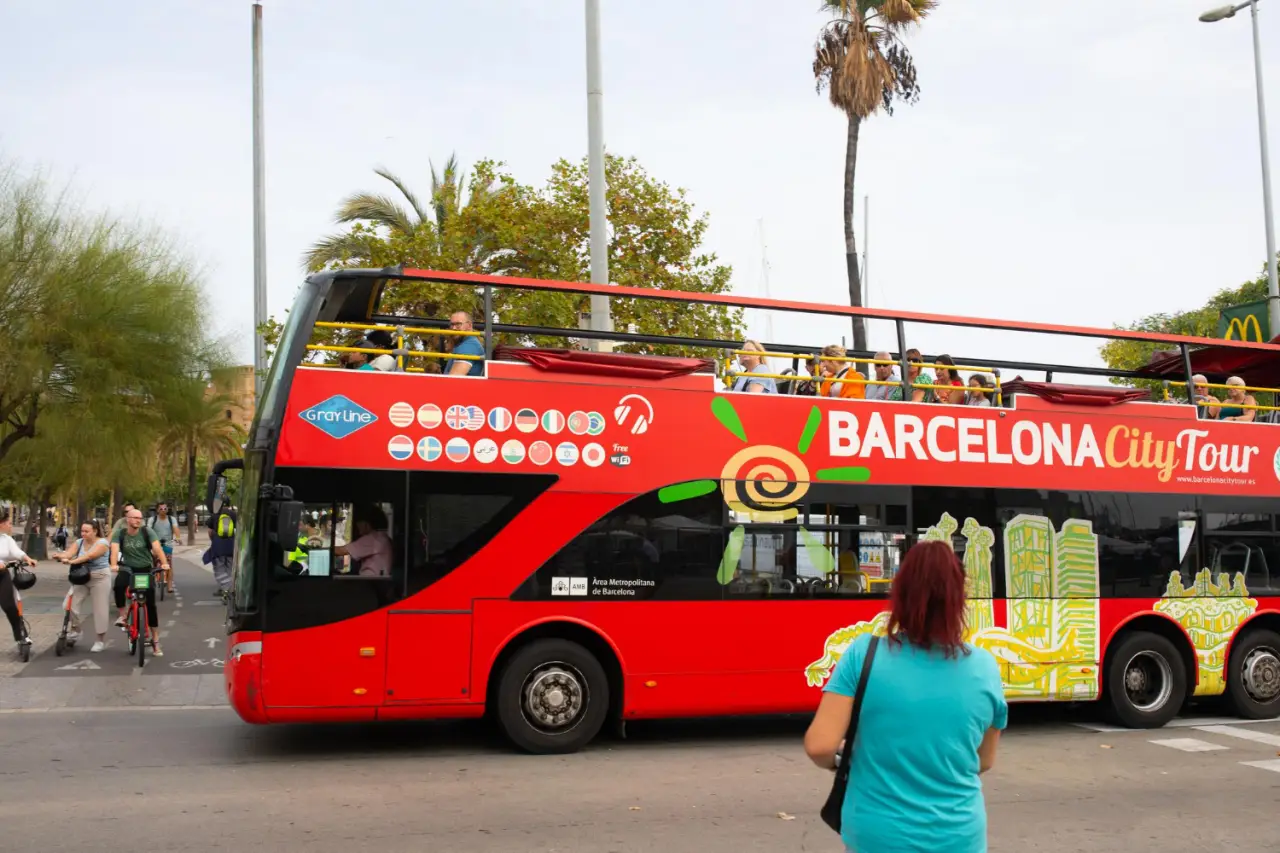
Spain’s Tourism Surge: A Record-Breaking Year on the Horizon
Spain is on the brink of a remarkable achievement in its tourism sector, inching closer to the coveted milestone of 100 million annual international visitors. Recent figures reveal that in May alone, the country welcomed 10.3 million foreign tourists, marking a significant 9.5% increase compared to the same month last year. This is particularly noteworthy as it is the first time May has surpassed the 10 million mark, a figure typically associated with the peak summer months of July and August.
Steady Growth in Tourist Arrivals
The surge in tourism is not an isolated incident; it follows a steady upward trend throughout the year. The first quarter of 2026 saw a 2.5% increase in international arrivals, while April experienced a 5.2% rise. According to the National Statistics Institute (INE), Spain welcomed 36.8 million international tourists in the first five months of 2026, reflecting a 5% increase from the same period in 2025. If this momentum continues, projections suggest that Spain could end the year with an astounding 101.64 million foreign visitors, edging closer to France, the world’s leading tourist destination.
Key Source Markets Driving Growth
The increase in visitors can be attributed to strong performances from Spain’s primary source markets. UK travelers remain the largest group, with 2.2 million arrivals in May, a 6.1% increase year-on-year. France follows closely behind, contributing 1.3 million visitors, which is an impressive 11.1% rise. Germany also played a significant role, with 1.3 million arrivals, marking a 9% increase.
But it’s not just the traditional markets that are contributing to this growth. The United States saw a notable increase of 12.32%, bringing in 559,015 visitors, while arrivals from the rest of the Americas surged by 15.56% to 608,710. Italy also showed strong growth, with a 16.25% increase, totaling 577,829 visitors.
Factors Influencing the Rise in Tourism
Several factors are believed to be influencing this remarkable rise in tourist numbers. Analysts have pointed to a “refuge effect” stemming from geopolitical tensions, particularly the ongoing conflict in Iran. Many travelers who initially planned trips to destinations like Turkey, Greece, or Saudi Arabia have opted for Spain instead, seeking a more stable environment for their vacations.
Additionally, there is a growing trend of extending the tourism season beyond the traditional summer months. Jorge Marichal, president of the Spanish Confederation of Hotels and Tourist Accommodation, noted that hotel operations are no longer confined to the high summer period. The season now often extends from April to November, allowing for a more balanced distribution of tourist arrivals throughout the year.
Increased Spending by Tourists
The financial impact of this tourism boom is equally impressive. In May, foreign visitors spent a staggering 13.553 billion euros in Spain, reflecting a 10.9% increase from the previous year. Over the first five months of 2026, total spending reached 50.257 billion euros, which is a 7.8% increase compared to the same timeframe in 2025. If these trends persist, tourism revenue could potentially reach around 145 billion euros by the end of the year.
The Economic Significance of Tourism
The tourism sector plays a pivotal role in the Spanish economy, contributing significantly to job creation and economic stability. However, as the industry continues to grow, there are increasing pressures to manage tourist crowds and ensure that demand is spread more evenly throughout the year. Balancing the influx of visitors with the need for sustainable tourism practices will be crucial for the long-term health of Spain’s vibrant tourism industry.
In summary, Spain’s tourism sector is experiencing a remarkable resurgence, with record-breaking numbers on the horizon. The combination of increased arrivals from key markets, extended travel seasons, and rising tourist spending underscores the importance of this industry to the Spanish economy. As the country moves closer to its ambitious tourism goals, the focus will undoubtedly shift toward sustainable practices that can accommodate this growth while preserving the unique charm and beauty that Spain has to offer.