The Oldest Island in Spain: Fuerteventura
An Introduction to Fuerteventura
Nestled in the vast expanse of the Atlantic Ocean, less than 100 kilometers from the African coast, Fuerteventura stands as a testament to Spain’s rich geological and cultural history. As the oldest island in Spain, it has served as a waypoint for navigators, explorers, and now tourists from across the globe. Its history is woven with tales of indigenous settlements, European conquests, and significant social changes.
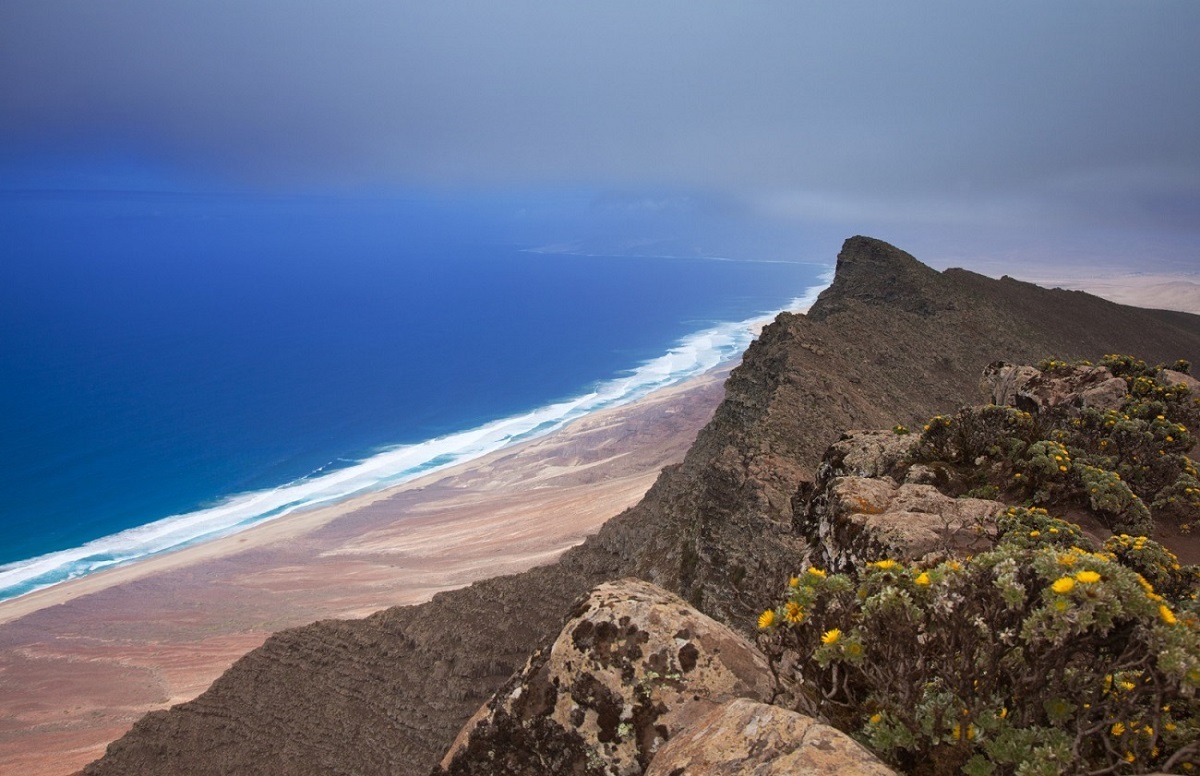
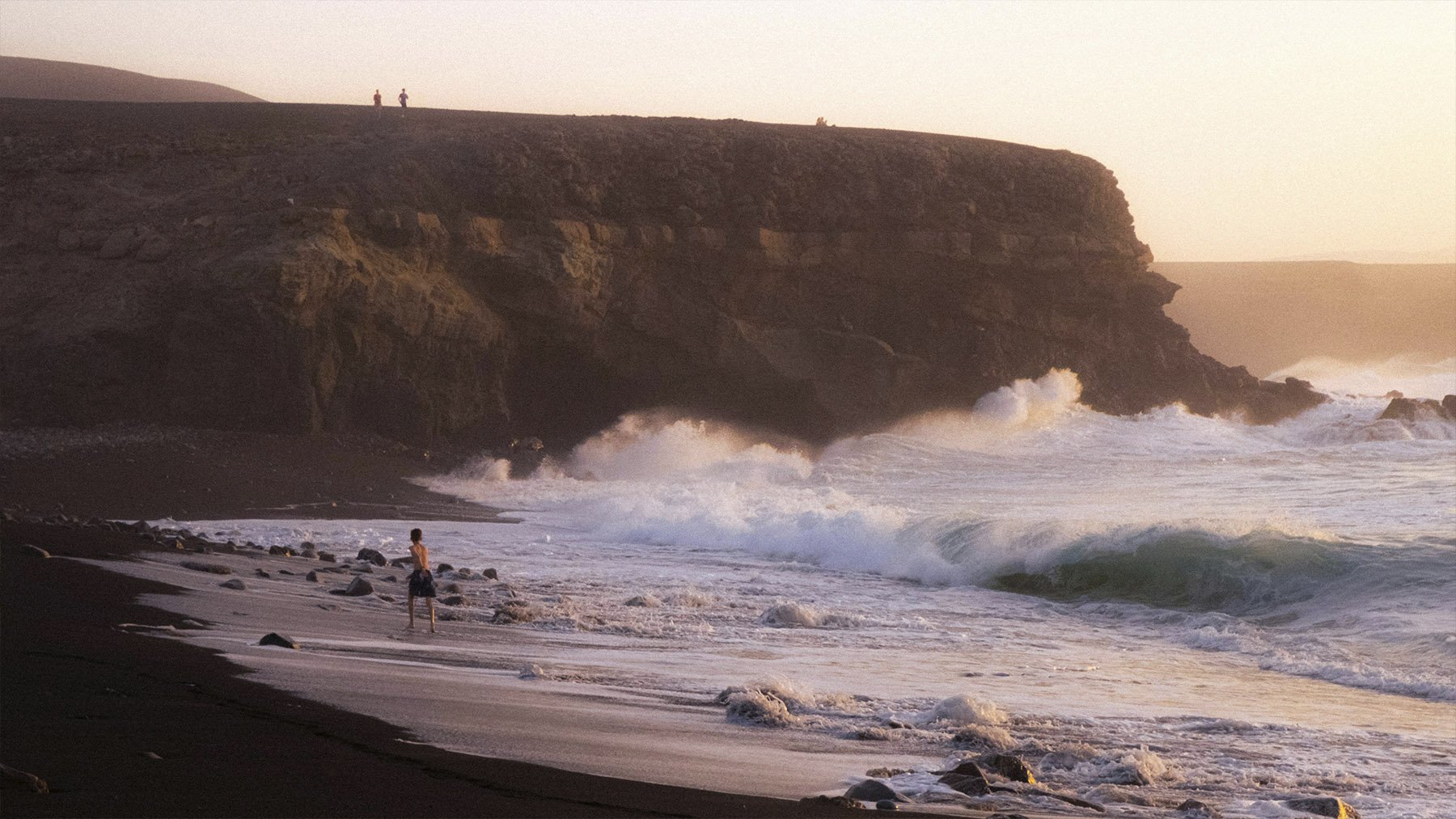
The island’s landscape is captivating; defined by vast hills, a serene silence, and a constant breeze, Fuerteventura’s character is unmistakable. From the skies above, its volcanic geography reveals a narrative of ancient origins—rock formations that chronicle the island’s history through their varying layers and contours. For centuries, humans and wildlife have coexisted here in a remarkable balance.
What is the Oldest Island in Spain?
Fuerteventura is recognized as the oldest island in Spain, dating back over 22 million years due to ancient underwater volcanic activity. Its slow and gradual formation involved powerful eruptions that created mountains, cones, and plains. This geological age sets Fuerteventura apart from other islands in the Canary archipelago, which have more recent origins.
The island covers an area of 1,659 km², making it the second largest in the Canary Islands. Its terrain, shaped by continuous erosion, presents an open and arid landscape, featuring hues of reddish and ochre tones. Although there are no active volcanoes today, the soil whispers the story of its transformative past.
In 2009, Fuerteventura was designated as a Biosphere Reserve by UNESCO due to its remarkable biodiversity and unique ecosystems, which include arid regions, coastal areas, and one-of-a-kind volcanic habitats in Europe.
The Ancient Inhabitants of Fuerteventura
Before the arrival of European settlers, Fuerteventura was home to the Maxos, also known as the Majorero people, believed to have originated from Berber ancestry around the first millennium B.C.. Their society was organized into tribes, primarily focused on a goat-rearing economy, supplemented by fishing, gathering, and shellfishing.
The island was divided into two kingdoms: Maxorata in the north and Jandía in the south. A notable wall on the isthmus of La Pared marked the boundary between the two kingdoms, reflecting the island’s ancient name, Erbania, which references this divider.
With the advent of European powers, control over the island became a contest among Mallorcans, Portuguese, and Castilians. In 1404, the Normans Jean de Bethencourt and Gadifer de la Salle led a Castilian conquest, establishing Betancuria, the first permanent European settlement, which later became the administrative and religious hub of the island.
An Island of Goats: Fuerteventura’s Unique Ecology
One of the island’s most intriguing aspects is its disproportionately high goat population. As of 2024, Fuerteventura had an estimated human population of about 128,700, while the number of goats is believed to exceed this figure.
The Majorero goat is a local breed, exceptionally adapted to the island’s dry climate. This breed has been integral to the local economy for generations, providing milk, meat, and hide. From this milk, queso majorero, a cheese with a designated origin, is produced and renowned for its distinctive flavor and artisanal craftsmanship.
Goats are a common sight throughout Fuerteventura. They graze on hillsides and rural paths, becoming an intrinsic part of the landscape. Their cultural and economic significance remains strong, contributing not only to local culinary traditions but also playing a role in annual festivals and cultural heritage.
Adventures Await: Things to Do in Fuerteventura
While Fuerteventura is often associated with beach tourism, it boasts a wide range of natural and cultural sites to explore. In the northern area, Corralejo is famous for its mesmerizing dunes and calm waters, offering activities like windsurfing, kitesurfing, and leisurely beach days. The historic town of Betancuria, located inland, features remnants of its colonial past, featuring charming buildings and intriguing sites that narrate the island’s history.
To the south lies Cofete, renowned for its rugged, unspoiled landscapes and a coastline that remains free from urban development. The interior of the island is home to the Parque Rural de Betancuria, showcasing eroded landforms reminiscent of desert landscapes and ancient petroglyphs that reflect the island’s rich indigenous heritage.
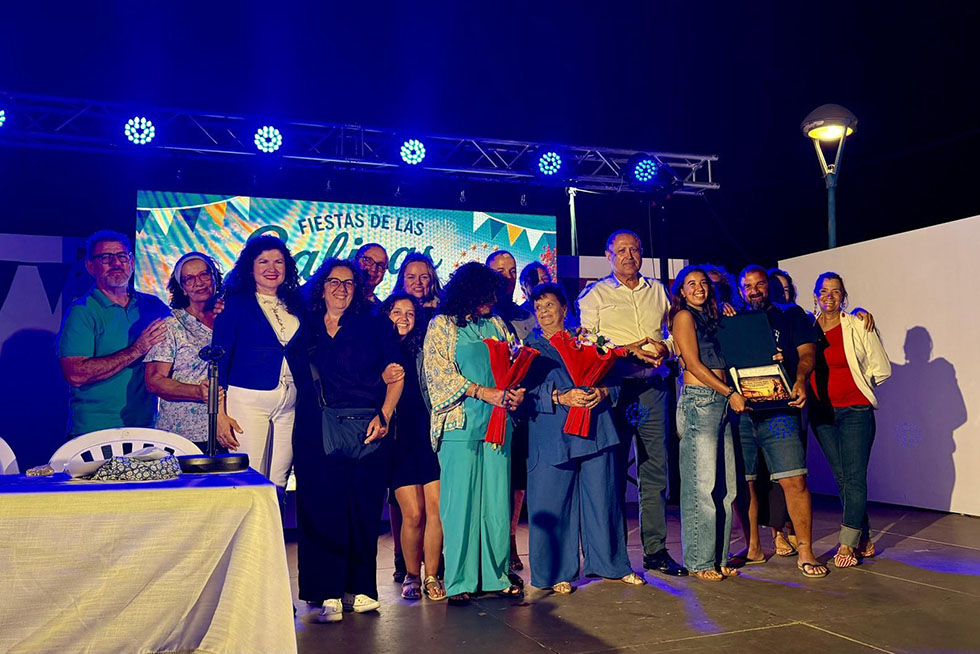
The local cuisine is a celebration of simple, traditional ingredients. Signature dishes like goat stew, fried queso majorero, papas arrugadas with mojo, and dried fish known as pejines intertwine with Fuerteventura’s cultural identity, while local festivals and romerías throughout the year enhance the vibrant community atmosphere.
With its unique history, diverse ecosystems, and rich cultural heritage, Fuerteventura offers an unparalleled experience for those willing to uncover its secrets.