Preparing for Cetacean Rescue: A Drill in Jandía, Fuerteventura
In a significant exercise showcasing the commitment to marine life conservation, the Biosphere Reserve of Fuerteventura recently hosted a simulated large cetacean stranding drill at the stunning beaches of Jandía, located in the municipality of Pájara. This event underscores the ongoing efforts to prevent ecological disasters similar to those seen in the past, particularly a sobering incident in 2002 when military sonar operations resulted in the tragic death of fourteen cetaceans on the very same shores.
The Context of Cetacean Strandings
Cetaceans—whales, dolphins, and porpoises—are sensitive to various environmental changes and human activities. Stranding incidents can lead to heartbreaking outcomes, not just for the animals involved, but also for the ecosystems they inhabit. Historically, events like the 2002 disaster have raised alarms about the impact of such human actions on marine fauna. This has galvanized organizations, volunteers, and the community towards better preparedness and education regarding marine mammal rescues.
Collaborative Efforts
The recent drill brought together a diverse group of participants, highlighting the importance of teamwork in wildlife conservation. Volunteers from Avanfuer (the Association of Volunteers for Nature in Fuerteventura), veterinary specialists from the University Institute of Animal Health and Food Safety, the Loroparque Foundation from Tenerife, and the youth organization Biosfera Joven joined forces for this crucial exercise. This collaboration demonstrates a holistic approach, bringing skilled individuals from various backgrounds together to ensure the successful execution of rescue operations.
Training and Technique
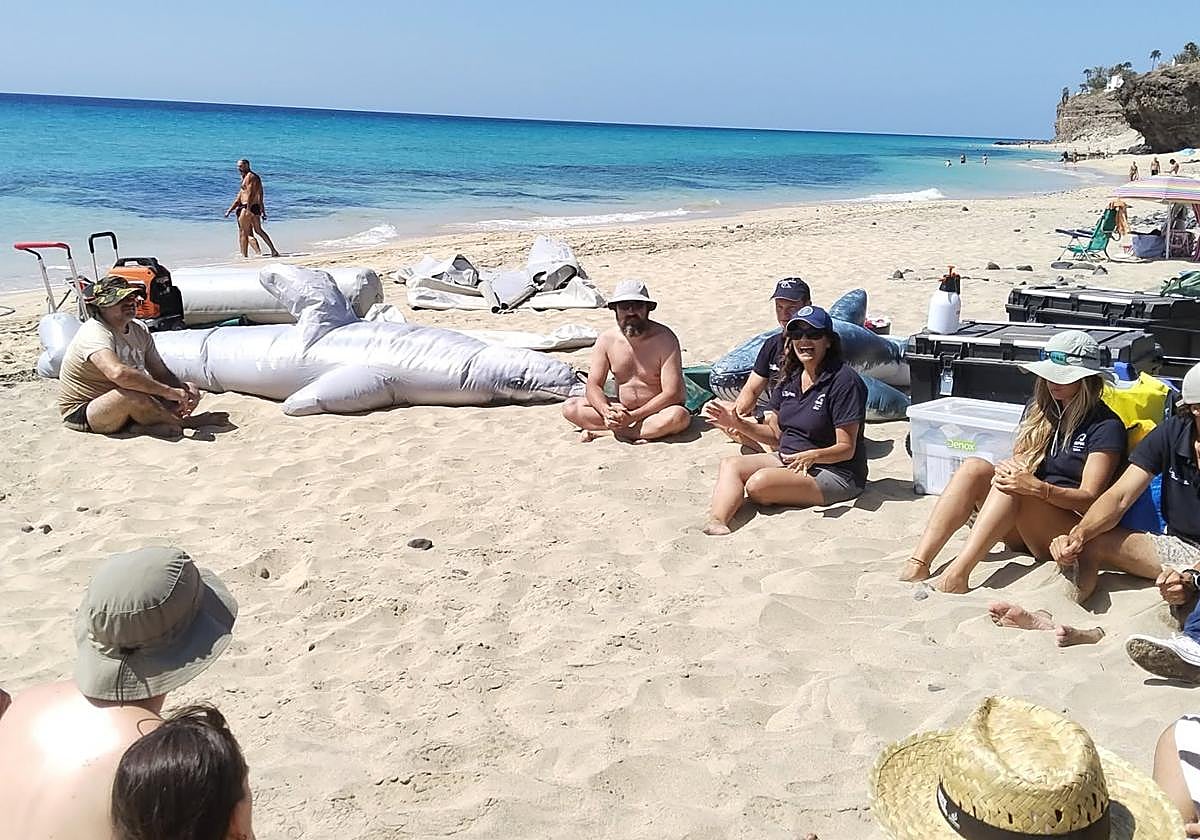
Central to the drill was the education provided by veterinarians from the University of Las Palmas de Gran Canaria (ULPGC). They imparted essential techniques and care strategies required for safely reintroducing large cetaceans into their natural habitats. A standout feature of this training was the use of an impressively realistic 1,000-kilogram model of a cetacean. This full-scale replica allowed the team to practice handling and transporting a cetacean in a controlled environment, thus preparing them for real-life scenarios that could unfold in the future.
Engaging Visuals
The visual elements of the drill were compelling. Images from the exercise highlighted the realistic model that weighed a substantial 1,000 kilograms, offering valuable insights into the logistical challenges of rescuing stranded cetaceans. Such visuals serve not only to document the efforts of the volunteers and professionals involved but also to raise awareness of the need for ongoing training and education in marine conservation.
Concluding Remarks on Community Involvement
Community involvement is essential in conservation efforts, and the participation of both local volunteers and specialists fosters a culture of environmental stewardship. Educating the public about the significance of cetaceans and the challenges they face in their habitats encourages a deeper connection to marine life. Initiatives like the drill in Jandía contribute significantly to wildlife protection strategies, showing how collaboration can pave the way for effective wildlife management and rescue operations.
In the wake of past challenges, the proactive measures taken during these drills not only equip responders with the necessary skills and knowledge but also inspire a community-oriented approach to protecting the remarkable marine life off the coast of Fuerteventura.