Historic Meeting of Canary Islands’ Historical Groups Concludes
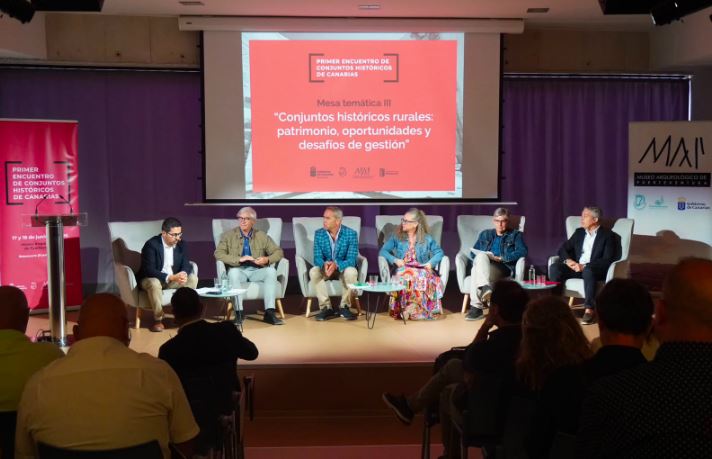
From June 17 to 18, the picturesque Museum of Archaeology in Fuerteventura (MAF) played host to the I Encuentro de Conjuntos Históricos de Canarias. This significant event brought together over twenty specialists, who gathered to discuss the current state of the Cultural Heritage Sites, known as Bienes de Interés Cultural (BIC). The outcomes were promising, with the Government of the Canary Islands pledging to establish a permanent space for collaboration, learning, and shared experiences among local councils and government authorities.
A New Era for Historical Sites
Miguel Ángel Clavijo, the Director General of Culture and Cultural Heritage, highlighted the summit’s importance in his statement: “Betancuria will mark a before and after.” He presented the “Declaración de Betancuria,” a crucial document reflective of the discussions held during the event. This declaration underlines the commitment of the Government of the Canary Islands to steer a new phase for the archipelago’s historical groups, with a foundation built on cooperation and a shared understanding of the future.
Initiatives to Enhance Heritage Management
To turn this vision into reality, several key initiatives were rolled out during the event. The aim is to improve the management of these BICs and forge a stronger bond between the community and its heritage.
Establishing an Observatory
First on the agenda was the creation of an observatory designed to serve as a continuous platform for collaboration, knowledge-sharing, and partnership. This observatory will function as a foundation for informed decision-making and the development of future public policies. Clavijo emphasized the importance of understanding our historical groups better, deeming it the critical first step toward their protection and revitalization.
This observatory aims to be a genuine network that facilitates cooperation and exchange of experiences among stakeholders. It will provide a space to discuss best practices, analyze common challenges, and collectively generate solutions to the difficulties faced by the historical sites across the islands.
Comprehensive Diagnosis of Heritage
Another key initiative is the detailed, integrated diagnostic assessment of the existing conditions surrounding these cultural treasures. This assessment will cover aspects of heritage, social dynamics, economic factors, tourism, and territory management, which will inform future strategies and public policy design.
Tailored Strategy for Historical Environments
Lastly, there will be a dedicated strategy focusing on historic environments. This strategy seeks to strengthen conservation efforts while promoting revitalization, ensuring that these spaces retain their identity, foster economic activity, enhance social cohesion, and encourage sustainable development.
Digital Platforms for Engagement
Furthermore, the Government is already working on new tools to promote cultural outreach. One of the planned innovations includes a digital platform designed to centralize activities aimed at enhancing community engagement with heritage, such as cultural routes. This initiative intends to bridge the gap between the public and the rich cultural heritage of their regions, ultimately fostering a stronger identity and community connection.
Core Principles of the “Declaración de Betancuria”
The “Declaración de Betancuria” underscores several vital principles crucial for the future of Canary Islands’ historical sites:
-
Living Spaces: Historical sites are seen as vibrant, inhabited spaces. Their future hinges on finding a balance between conservation, quality of life, economic activity, and residential functionality.
-
Network of Historical Centralities: These sites are not just markers of the past; they play a pivotal role in the islands’ territorial, social, and cultural networking.
-
Identity as an Asset: The uniqueness of these historical enclaves—reflected in urban landscapes, collective memories, and lifestyles—constitutes a differential value that must be preserved and celebrated.
-
Integration into Development Strategies: Historical groups ought to be woven into broader territorial planning, encompassing tourism, housing, commerce, culture, and sustainability.
-
Economic Opportunities: The preservation and revitalization of historical sites can stimulate job creation and support local businesses, contributing to a more sustainable tourism model deeply connected to the region.
-
Value-Generating Investment: Investment in rehabilitation and public spaces yields benefits that extend beyond heritage preservation, positively impacting economy and social cohesion.
-
Unique Realities: Every historical site possesses its own nuances. Public policies should reflect a shared understanding of common challenges while respecting the individual characteristics of each municipality and historical community.
-
Special Attention for Rural Sites: Smaller municipalities hold an essential role in maintaining the urban historical heritage of the Canary Islands, requiring instruments tailored to their specific circumstances.
-
Leadership and Collaboration: Effective management of historical sites necessitates robust leadership and collaborative efforts among the Government of the Canary Islands, island councils, and local municipalities.
-
Permanent Space for Dialogue: There is an expressed need for stable forums that enable dialogue, idea exchange, knowledge generation, and building a shared agenda for the future of these historical spaces.
With these initiatives and principles, the Government of the Canary Islands aims to pave the way for a more cohesive and sustainable management strategy for its invaluable historical sites, ensuring they continue to breathe life into the islands for generations to come.