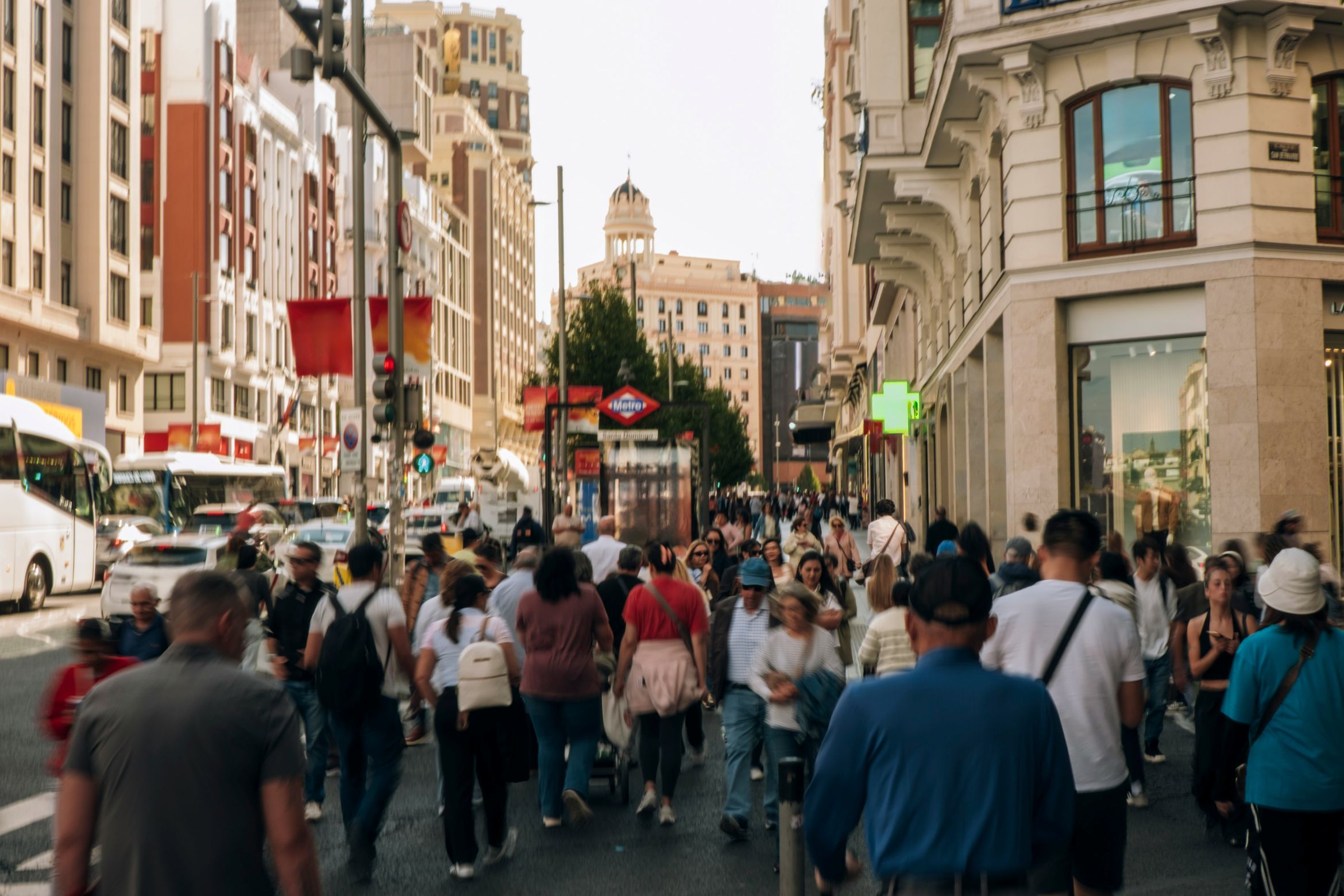
Spain is poised to break travel and tourism records once again in 2026, with a staggering forecast of 43 million visitors expected during the summer months alone. This surge in tourism is not just a number; it represents a significant pillar of the Spanish economy, contributing approximately 13% to the GDP. When considering indirect revenues, this figure could rise to as much as 16%, according to the National Statistics Institute. The anticipated spending during the summer months is equally impressive, with visitors projected to spend around €64 billion from June to September.
However, this booming tourism industry casts a shadow over the local population. Recent data from the National Statistics Institute reveals a troubling statistic: nearly one-third of Spaniards could not afford to take a week’s holiday in 2025. Specifically, 32.2% of the population did not manage to take even a week off, and 27% have no holiday plans for the summer of 2026. This stark contrast between the influx of international tourists and the struggles of local residents raises important questions about the sustainability of Spain’s tourism model.
The challenges facing the local population are compounded by rising costs in various sectors. The ongoing tensions in the Middle East have led to increased fuel prices and airfares, which have affected the travel marketplace. This situation is not entirely new; Spain has seen a rise in anti-tourism protests and official crackdowns on short-term rental platforms like Airbnb. These measures are often viewed as necessary responses to the housing crisis, where locals struggle to find affordable accommodation due to the influx of tourists.
Ileana Izverniceanu, Communications Director at the Spanish Organisation of Consumers and Users (OCU), emphasizes that the inability of one in three Spaniards to take a holiday is indicative of a broader economic reality. “This is not an isolated event,” she states, highlighting that the economic recovery post-COVID has not been felt equally across all demographics. Many families continue to grapple with financial constraints that prevent them from enjoying leisure time.
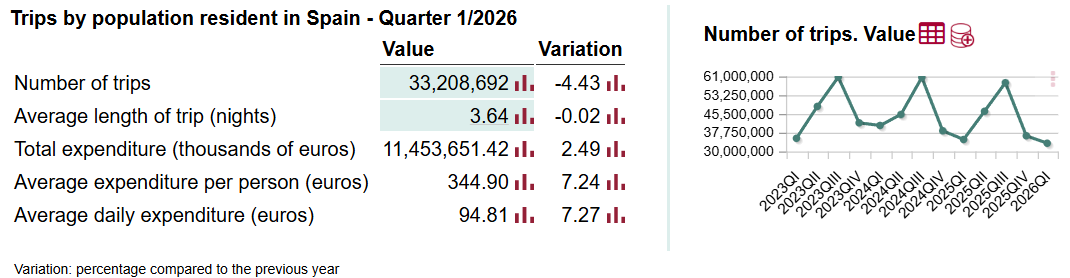
The OCU’s Family Solvency Index indicates that many families are still struggling financially, despite improvements in the broader economy. “On paper, the economy is improving, but many families do not feel that recovery in their day-to-day lives,” Izverniceanu explains. The cost of a family holiday is a significant barrier, starting at around €665 for a domestic trip and soaring to €1,555 for beach holidays and €2,327 for foreign vacations. These figures highlight the financial strain many families face, making vacations seem unattainable.
This economic strain not only affects individual families but also alters consumer behavior regarding travel. Many potential holidaymakers are opting for shorter trips, staying closer to home, and cutting back on their leisure budgets. This shift in spending habits reflects a broader trend where the joy of travel is increasingly overshadowed by financial concerns.
Looking ahead, the Ministry of Industry and Tourism anticipates a 10% increase in spending by foreign visitors compared to 2026. In light of this, the OCU is advocating for measures to alleviate the cost of living for Spanish citizens, particularly in areas like energy, food, and housing. The goal is to ensure that locals are not left behind as the tourism industry flourishes, creating a more equitable balance between the needs of residents and the influx of international visitors.