Revitalizing Nature: The ‘Naturalization of the Saladar de Jandía’ Project
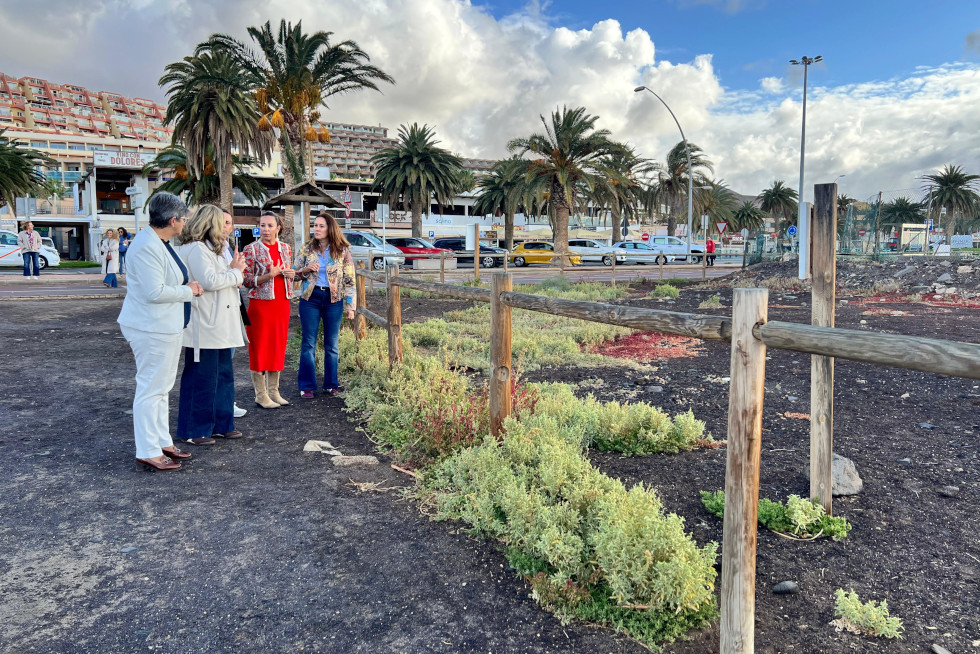
This past Friday marked an important step forward in environmental and tourism sustainability in Fuerteventura, as key figures came together to unveil the ambitious ‘Naturalization of the Saladar de Jandía’ project. Attended by Jéssica de León, the Regional Minister of Tourism and Employment for the Government of the Canary Islands, along with Lola García, the President of the Cabildo de Fuerteventura, and Tourism Councillor Marlene Figueroa, the initiative promises to breathe new life into one of the island’s most significant wetland areas.
Funding and Scope of the Project
This exciting project is supported by a substantial investment of €249,815 from the Canary Islands’ Department of Tourism and Employment, drawn from the Next Generation EU funds. The project will impact over 9,000 square meters of land that has suffered from human intervention, aiming to restore the ecological balance of the Saladar, which is recognized as one of the largest wetlands in the Canary Islands.
Restoration Activities
The project encompasses several critical actions aimed at ecological recovery. One of the key interventions will involve the removal of outdated infrastructures, including an old sewage treatment plant that has outlived its utility. This will pave the way for the restoration of the area’s original geomorphology, allowing the natural landscape to re-emerge.
A Shift in Tourism Perspective
During her remarks, Jéssica de León highlighted a transformative vision for tourism in the Canary Islands. “Our understanding of tourism has evolved. We no longer accept the purely sun-and-beach model; instead, we advocate for an approach that prioritizes our natural environment and cultural identity,” she noted. The Saladar de Jandía, a symbol of the region’s natural heritage, exemplifies this new focus, making its restoration a top priority.
Collaborative Efforts for a Sustainable Future
Lola García echoed this sentiment, emphasizing the project’s fundamental goal: enhancing a space rich in environmental value. “This initiative reflects our vision for an island where tourism development goes hand in hand with environmental protection,” she explained. The collaboration between the Government of the Canary Islands and local authorities illustrates the power of unified efforts to reclaim and revitalize natural spaces.
Future-Forward Tourism Initiatives
Marlene Figueroa, the Tourism Councillor of Fuerteventura, pointed out that initiatives like this serve as proof that the future of tourism hinges on preserving what makes the islands special. “Through our ‘Fuerte por naturaleza’ program, we’re implementing projects that not only enhance our destination’s image but also create positive, lasting impacts on our environment and the lives of local residents.”
Local Government Support
Alejandro Jorge, the Mayor of Pájara, also underscored the importance of collaboration among governmental entities to achieve environmental goals. He expressed optimism about the Saladar de Jandía project fulfilling long-standing aspirations for ecological recovery, enhancing both the environment and the urban landscape.
Project Phases Explained
The ‘Naturalization of the Saladar de Jandía’ will unfold in four distinct phases:
-
Removal of the Old Treatment Plant: The first phase involves the dismantling of the outdated sewage treatment facility, which has become a blight on the natural landscape.
-
Restoration of Natural Levels: The second phase aims to eliminate current fill material, reverting the area’s altitude from 3.40 meters back to its original 2.50 meters. Close attention will be paid to protect existing vegetation roots as this phase unfolds.
-
Area Rehabilitation: The third phase will focus on rehabilitating the site using screened earth sourced from the demolition. This material will help reshape the terrain, creating a protective slope.
-
Landscaping and Planting: Lastly, the project will prioritize aesthetic integration by planting 104 specimens of indigenous flora, including Chenoleoides tomentosa (algoera), Salsola vermiculata (matabrusca), and Tetraena fontanesii (uva de mar), along with three specimens of Tamarix canariensis (tarajal). This effort aims to maintain the ecological integrity and beauty of the Saladar.
Through initiatives like the ‘Naturalization of the Saladar de Jandía,’ Fuerteventura is setting a precedent for sustainable tourism practices that respect and enhance the island’s natural beauty while fulfilling the community’s needs. The collaboration between different levels of government reflects a collective commitment to preserving and promoting the unique environmental heritage of the Canary Islands.