Extradition Case Highlights Vulnerability of Elderly and Allegations of Serious Crimes
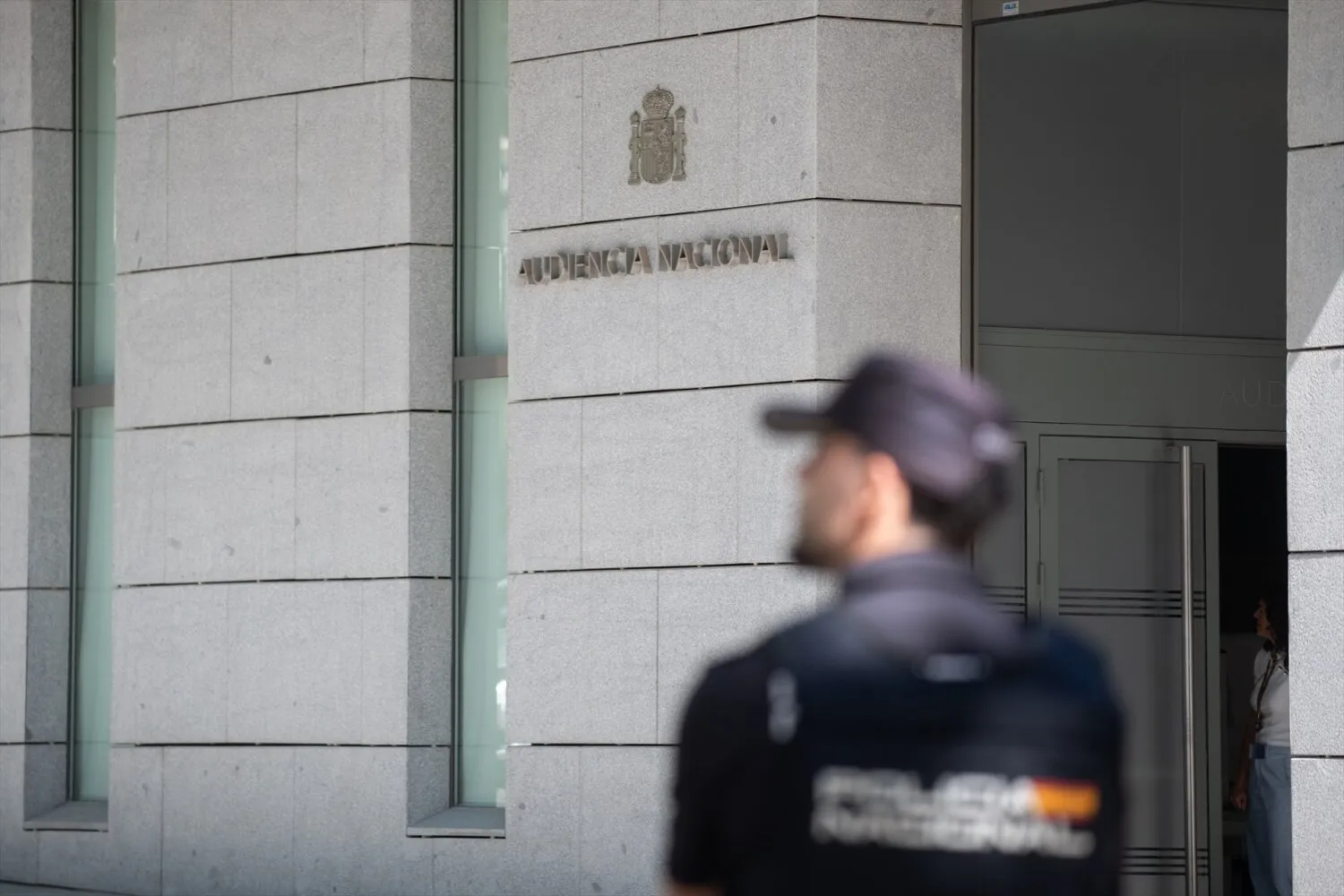
In a compelling case unfolding in Spain’s Audiencia Nacional, an 80-year-old man is at the center of a complex legal battle. This individual, who has been arrested in Fuerteventura, is facing extradition to the United Kingdom, where he is accused of committing a series of grievous offenses—specifically, ten counts of alleged sexual assault against his daughter during her teenage years. The circumstances surrounding these allegations are not only harrowing but also highlight the ethical considerations of extraditing a seriously ill elderly individual.

Background of the Allegations
The incidents in question reportedly took place between 1999 and 2001, a time when the alleged victim was between 14 and 16 years old. The alleged abuse occurred in their family home located in Wickford, Essex, and during trips in the family caravan in Lulworth, Dorset. According to British law, convictions for such offenses can lead to maximum sentences of up to ten years for each charge. In contrast, Spanish law imposes a significantly lower maximum sentence of six years for similar crimes, raising questions about the implications for jurisdiction and justice.
The Arrest and Legal Proceedings
The man was apprehended on February 19, 2026, at around 8:45 AM in Puerto del Rosario. His arrest stemmed from an international detention order initiated by the UK authorities. Following his detention, the accused was granted provisional freedom under strict conditions that necessitate his appearance before the court every fifteen days, alongside other precautionary measures.
His frail health condition adds another layer of complexity to the case. The defendant is reportedly living with severe chronic illnesses, necessitating the use of a permanent oxygen machine and reliance on a wheelchair for mobility. These health issues have become central to his defense argument against extradition—lawyers claim that extradition could pose significant risks to his well-being.
Humanitarian Grounds for Extradition Suspension
In light of the defendant’s health circumstances, both the prosecution and the Audiencia Nacional have indicated a lack of opposition to delaying the extradition on humanitarian grounds. The ultimate decision regarding this matter now rests with the Council of Ministers, who are tasked with weighing the legal implications against the individual’s health requirements.
Medical Concerns Raised
In April 2026, the defense made a formal request to deny extradition on humanitarian grounds. They sought the creation of a forensic report and insisted on the need for comprehensive medical guarantees from British authorities. The request aimed to address the specifics of the defendant’s health conditions and the potential dangers associated with long-distance travel.
Subsequently, the Instituto de Medicina Legal de Las Palmas provided a detailed report illustrating the man’s health decline and ongoing challenges with mobility. The report emphasized that his chronic ailments are likely to worsen over time, and that he is currently on multiple medications, raising serious concerns should he be obligated to travel to the UK.
Furthermore, the report highlighted his dependence on a permanent oxygen machine for day and night support, with medical experts strongly recommending against any long-distance travel due to the associated health risks.
The case not only addresses the serious nature of the allegations but also emphasizes the ethical predicament faced by the justice system when dealing with aging individuals who have a complex health profile. As legal arguments continue to unfold, it raises critical questions about the balance between accountability in the face of serious accusations and compassion towards vulnerable populations.