Discovering the Splendor of Fuerteventura: From Windswept Shores to Sand Dunes
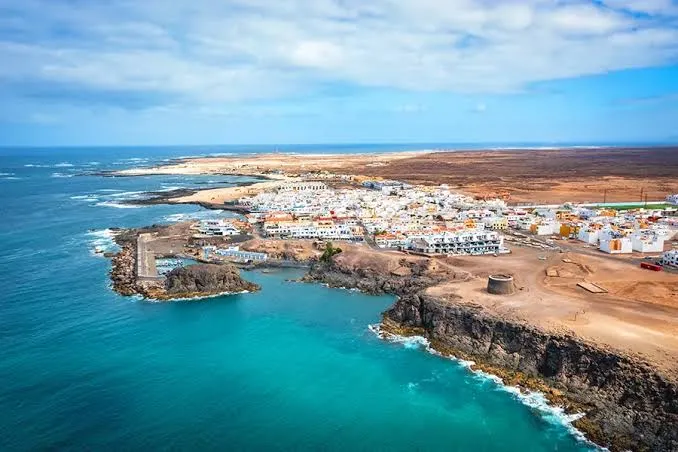
Fuerteventura, one of the enchanting Canary Islands, is a paradise for those seeking sun-soaked beaches with soft white sand and turquoise waters. Ideal for windsurfers, kitesurfers, and surfers alike, the island draws countless visitors, drawn in by its stunning coastal beauty and consistent trade winds that sweep in from Africa. The abundance of watersports schools sprinkled along the sandy shores only confirms this.
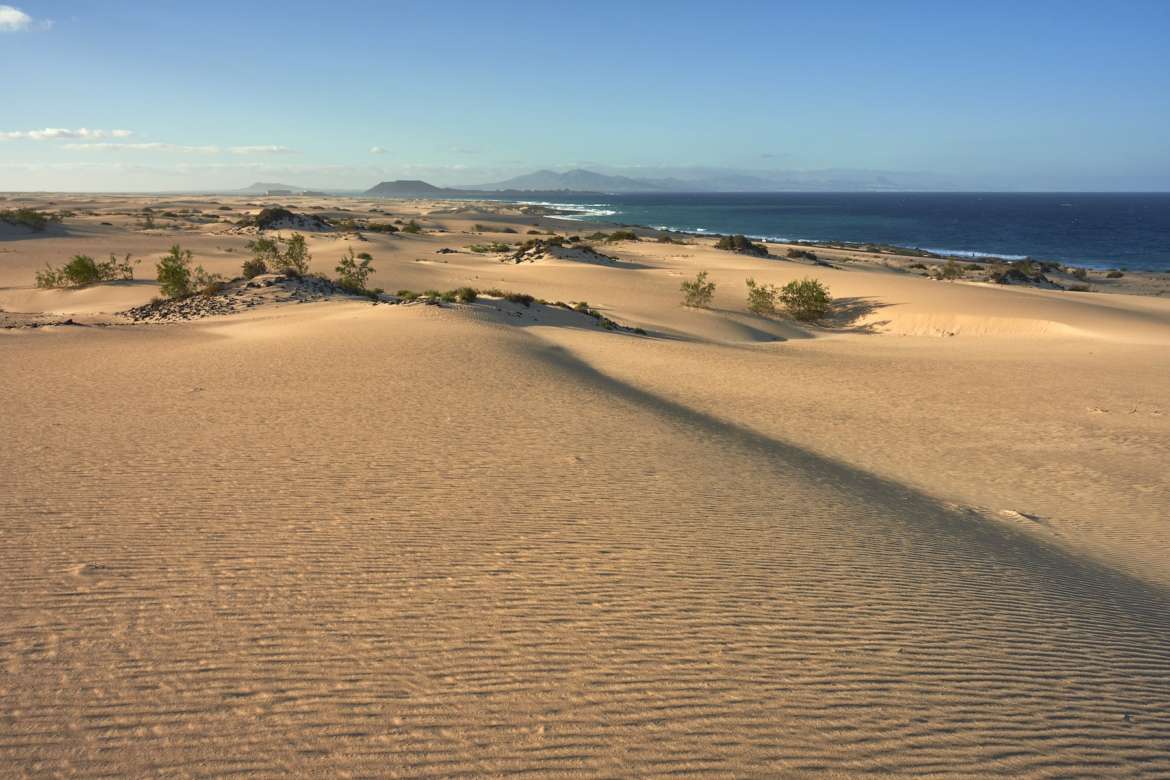
However, to truly experience Fuerteventura, one must look beyond the sparkling beaches. Just a glance to the northwest reveals the breathtaking Dunas de Corralejo, vast sand dunes that evoke imagery of arid deserts—an intriguing contrast to the cerulean sea.
A Desert Escape Without Leaving the Canary Islands
The Dunas de Corralejo stretch over 2,300 hectares and were declared a Natural Park in 1994. This remarkable landscape, characterized by ocean-like expanses of golden sand, creates one of the most stunning panoramas on the entire island of Fuerteventura.
Nestled in the municipality of La Oliva, the dunes run parallel to the shoreline for approximately 10 km and reach widths of 2.5 km, making them the largest dune field in the Canary archipelago. The scene is ever-changing, molded daily by the same trade winds that bless Fuerteventura’s beaches, causing dunes to rise, shift, and eventually vanish.
Here lies a remarkable feature: just a singular road, the FV-1, connects Puerto del Rosario to Corralejo, and it thoughtfully avoids any constructions that might disturb the park’s untamed natural beauty. This conservation allows visitors a glimpse into a wild, untouched environment.
Quote: “Only one road, the FV-1, crosses the Natural Park, which can be traversed on foot via marked trails.”
Beneath the pristine sands, composed of jable—a unique type of sand formed over millennia from the erosion of mollusk shells—rests the Canarian malpaís, or volcanic soil, which was a product of massive eruptions over 50,000 years ago. Today, these ever-shifting dunes serve as a habitat for numerous plant and animal species.
Birds thrive here, with species like the Guirre Majorero and Hubara Canaria. The park has also earned designation as a Special Protection Zone for Birds (ZEPA), further highlighting its ecological significance.
Among the mammalian inhabitants are rabbits, squirrels, and indigenous majorera goats, alongside hardy desert flora like starry onion and sea grape.
How to Navigate the Dunes of Corralejo
Visitors can traverse the stunning landscapes on foot along marked trails. Parking is available near the roads leading to the park, but to soak in the breathtaking views of the desert terrain, walking allows for a more intimate experience.
One popular route begins in La Oliva, offering a circular pathway of approximately 20 km. This trail provides spectacular vistas of the dunes touch the turquoise waters, framed by white foam from the breaking waves.
A prominent natural feature south of the park is Montaña Roja, a 312-meter volcanic cone. Ascending it not only serves as a fulfilling hiking expedition but also offers panoramic views of northern Fuerteventura, the Islote de Lobos, and its neighbor, Lanzarote.
Incredible Beaches Amidst the Dunes
Driving along the FV-1 from Puerto del Rosario, visitors can also appreciate the paradise beaches that line the road, complementing the stunning scenery of the dunes.
Known as the Grandes Playas de Corralejo, these stretches of sand, boasting Blue Flag certification, comprise 9 km of pristine coastline. They rank amongst Fuerteventura’s best beaches—only rivaled by the world-renowned Playa de Cofete located in the southern part of the island.
As one travels from south to north, the beaches cater to various preferences, including hidden coves perfect for naturism and lively spots like El Burro, host to the International Kite Festival since 1987, and El Moro.
Playa del Burro, also referred to as Playa Alzada, is a pristine beach nestled near Corralejo, accessible by car and public transport. Measuring around 300 meters, it boasts gentle winds and mild waves, perfect for relaxing, though it lacks facilities.
In contrast, Playa del Moro offers excellent surfing conditions, complemented by its pristine white sands and turquoise waters, with mesmerizing views of Lanzarote and the nearby Isla de Lobos.
As one continues north, the beaches become more family-friendly, equipped with lifeguards and amenities like sun loungers and umbrellas.
Playa Bajo Negro, a breathtaking 500-meter beach, is abundantly equipped for visitors with restaurants, children’s areas, and sports facilities.
Playa Médano, measuring 700 meters, is renowned for its suitability for kiteboarding and windsurfing. Located not far from La Oliva, it serves as a great viewpoint for spotting whales and dolphins.
Lastly, Playa El Viejo, stretching over half a kilometer, features soft white sands and tranquil turquoise waters, ideal for families due to its protective nature and lifeguard services.
Fuerteventura is a treasure trove of natural beauty, where stunning landscapes and vibrant beaches coexist, making it a must-visit destination for both adventure-seekers and those looking to unwind.