Fuerteventura Invests in Sustainable Waste Management
A Major Investment in Waste Management
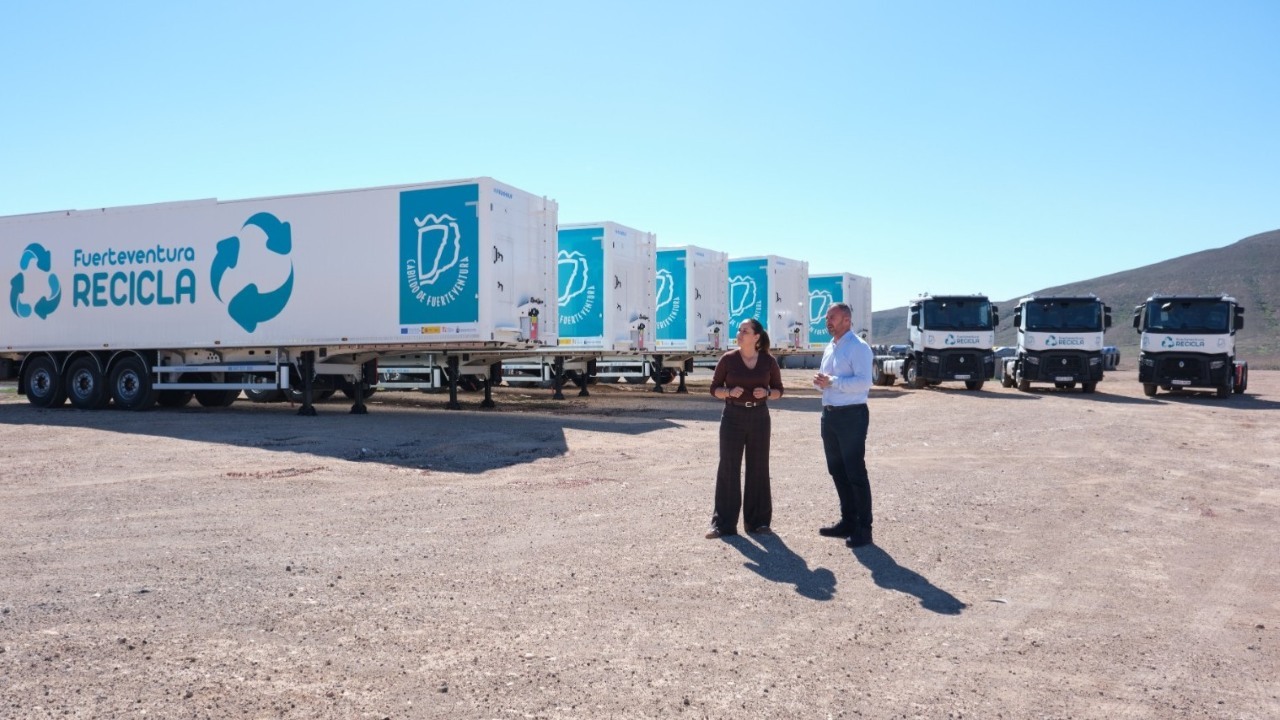
The Cabildo de Fuerteventura has taken a significant step toward enhancing its waste management processes by investing €1.3 million in new machinery aimed at managing organic waste. This investment is closely linked to the introduction of the much-anticipated fifth container for the separation of bio-waste, which is set to roll out this year across the island.
European Funding for Sustainability
Financed by NextGeneration EU funds, this investment includes the procurement of five mobile units and three tractor heads. These assets will be utilized at various transfer stations located throughout the island, specifically in Tuineje, Lajares (La Oliva), and Mal Nombre (Pájara). This strategic acquisition underscores the commitment of local authorities to modernize waste handling practices and improve the efficiency of waste processing on Fuerteventura.
The Role of Transfer Stations
The transfer stations serve a critical role in the island’s waste management system. They receive domestic waste collected by municipal services, conduct weight measurements, and compact the waste before it gets transported to the Complex Environmental Facility in Zurita for final treatment. By enhancing the capabilities of these transfer stations, the Cabildo aims to streamline the entire waste management process.
Commitment to Sustainability
Lola García, the president of the Cabildo, emphasized that this investment marks a significant advancement in their commitment to sustainability. She stated, “This initiative will improve selective collection and increase recycling statistics on the island.” By investing in new technologies, the local government intends to bolster operational capacity and optimize separation processes, enabling citizens to engage in more responsible waste management.
Enhancing Efficiency and Reducing Carbon Footprint
Enrique Pérez, the waste management councillor, reiterated the goal of facilitating efficient waste treatment in municipalities farther from Zurita while aiming to reduce carbon footprints. “This aligns with the circular economy objectives set for the coming years, representing a qualitative leap in waste management,” he noted. The initiative reflects a growing awareness among residents regarding the importance of recycling and environmental stewardship.
The Fifth Container Initiative
The introduction of the fifth container will specifically allow for the separation of organic waste from household refuse. This innovation is expected to minimize the environmental impact of waste, aligning Fuerteventura with broader environmental and decarbonization goals. By creating a dedicated stream for organic waste, the island can enhance its recycling efforts and contribute to a more sustainable future.
Community Engagement in Waste Management
The successful implementation of the new machinery and the fifth container initiative hinges on community involvement. As citizens become more conscious of recycling and waste management practices, local authorities aim to cultivate a culture of responsibility and sustainability throughout Fuerteventura. This shared approach ensures that everyone plays a part in the ongoing efforts to protect the environment and promote eco-friendly practices.
By focusing on innovative solutions and leveraging European funding, Fuerteventura is poised for a transformative journey toward improved waste management that not only benefits its residents but also supports global sustainability goals.

![[gpt_title] Write a natural, soulful, and wellness-driven headline (max 12 words) about Ayurveda, healing, or natural medicine. It should feel modern yet timeless — e.g., “The Science of Stillness,” “Nature’s Pharmacy,” or “Healing in the Everyday.” Avoid clickbait or sales tone. [/gpt_title]](https://static.scientificamerican.com/dam/m/3cea041d2b20460c/original/2603_SQ_WED_MICHAEL_POLLAN.png?m=1772735739.543&w=1200 "[gpt_title] Write a natural, soulful, and wellness-driven headline (max 12 words) about Ayurveda, healing, or natural medicine. It should feel modern yet timeless — e.g., “The Science of Stillness,” “Nature’s Pharmacy,” or “Healing in the Everyday.” Avoid clickbait or sales tone. [/gpt_title]")
