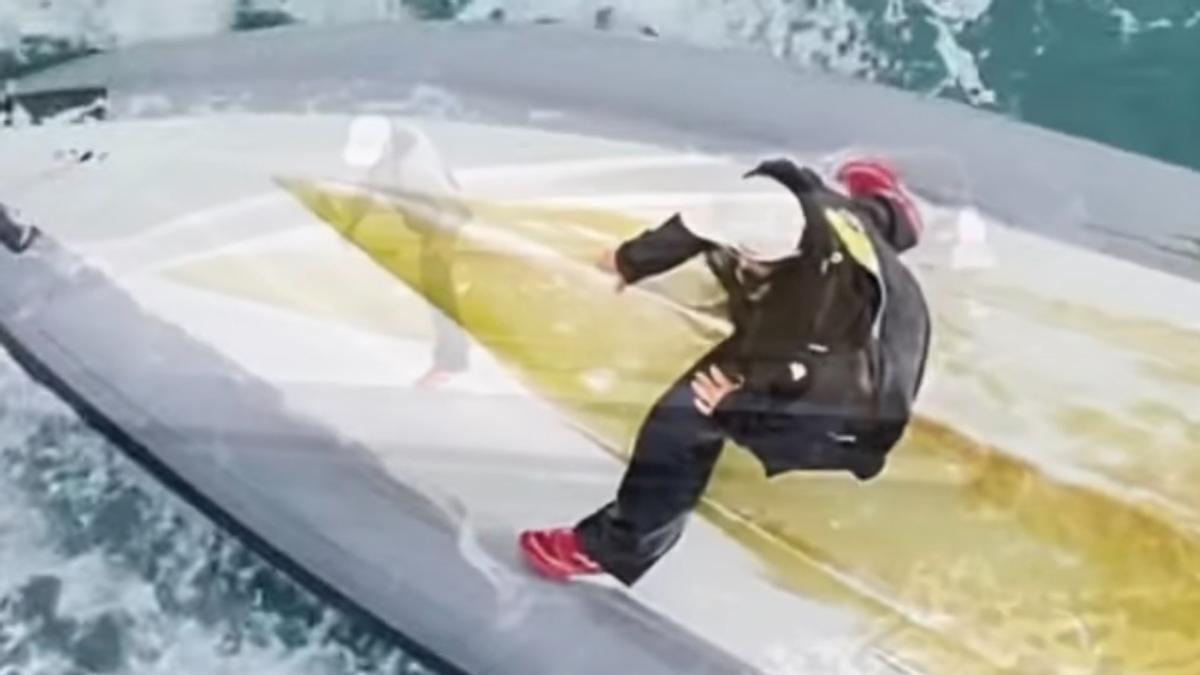
Emergency Response in La Oliva: A Marine Incident
On the sunny morning of Friday, March 6 in La Oliva, Fuerteventura, a routine day quickly turned into a dramatic rescue operation. The local emergency services sprang into action following the capsizing of a boat near the popular tourist area of Corralejo, specifically in the vicinity of Punta Elena. A prompt response was crucial, as the picturesque waters of Fuerteventura can sometimes hide dangers beneath their surface.
Immediate Notification and Coordination
The alarm was raised through the Canary Islands Emergency and Security Coordination Center (CECOES) 112. Once notified, the center activated available emergency resources without delay. The swiftness with which the situation was communicated set the stage for a well-orchestrated rescue effort that directly contributed to the incident’s successful management.
Deployment of Emergency Teams
In response to the distress call, various rescue teams were mobilized to the scene, including members of Protección Civil de La Oliva, local lifeguards, and officers from the La Oliva Local Police. This coalition of professionals was tasked with a very pressing mission: locating the occupant of the overturned vessel and ensuring their safety. The diverse expertise of the teams played a pivotal role in executing an effective rescue operation under the pressing circumstances.
On-Site Search and Rescue Operations
Arriving promptly at Punta Elena, the rescue teams collaborated seamlessly to initiate a focused search for the individual on board. Given the area’s popularity with both tourists and local seafarers, their coordination was not just about speed but also about utilizing the surrounding local knowledge to ensure a swift recovery operation.
Support resources, including boats and specialized equipment, were deployed to aid in the search. Multiple methods of locating the individual were employed, reinforcing the teams’ collective skill sets and commitment to ensuring maritime safety.
The Focus on Safety
The central objective throughout this operation was clear: to locate the crew member of the capsized vessel and guarantee their well-being. The rescue involved various dynamic elements, as different teams handled distinct facets of the endeavor; while some focused on searching the water, others prepared to provide immediate medical assistance upon retrieval.
The situation emphasized the importance of maintaining calm and communication among the teams, enabling them to efficiently share updates and findings. Every minute counted, and the collected efforts showcased the effectiveness of training and preparedness in emergency situations.
Continued Efforts and Resource Mobilization
Throughout the morning, the operation proceeded with careful execution as various support mechanisms were mobilized to facilitate the search and rescue tasks. The teams worked under the pressing sun, showcasing their resilience and dedication to maritime safety and rescue protocols.
The local community was undoubtedly supportive, as they observed the unfolding events. The collaboration between the residents and the emergency services illustrates the spirit of unity and care that characterizes La Oliva.
Conclusion: A Community United in Safety
This incident served as a stark reminder of the unforeseen challenges that can arise in maritime environments. The meticulous coordination by the La Oliva emergency services demonstrated their readiness to confront such emergencies head-on, safeguarding both lives and the integrity of aquatic activities in their vibrant local waters.