Combatting Invasive Species: A Progressive Step in Fuerteventura
On November 4, 2025, the Cabildo of Fuerteventura announced a significant initiative aimed at preserving the island’s unique ecosystem. This initiative involves a pilot project dedicated to controlling and eliminating invasive exotic species, with a spotlight on Calotropis procera, commonly known as the silk tree.
Understanding Calotropis Procera
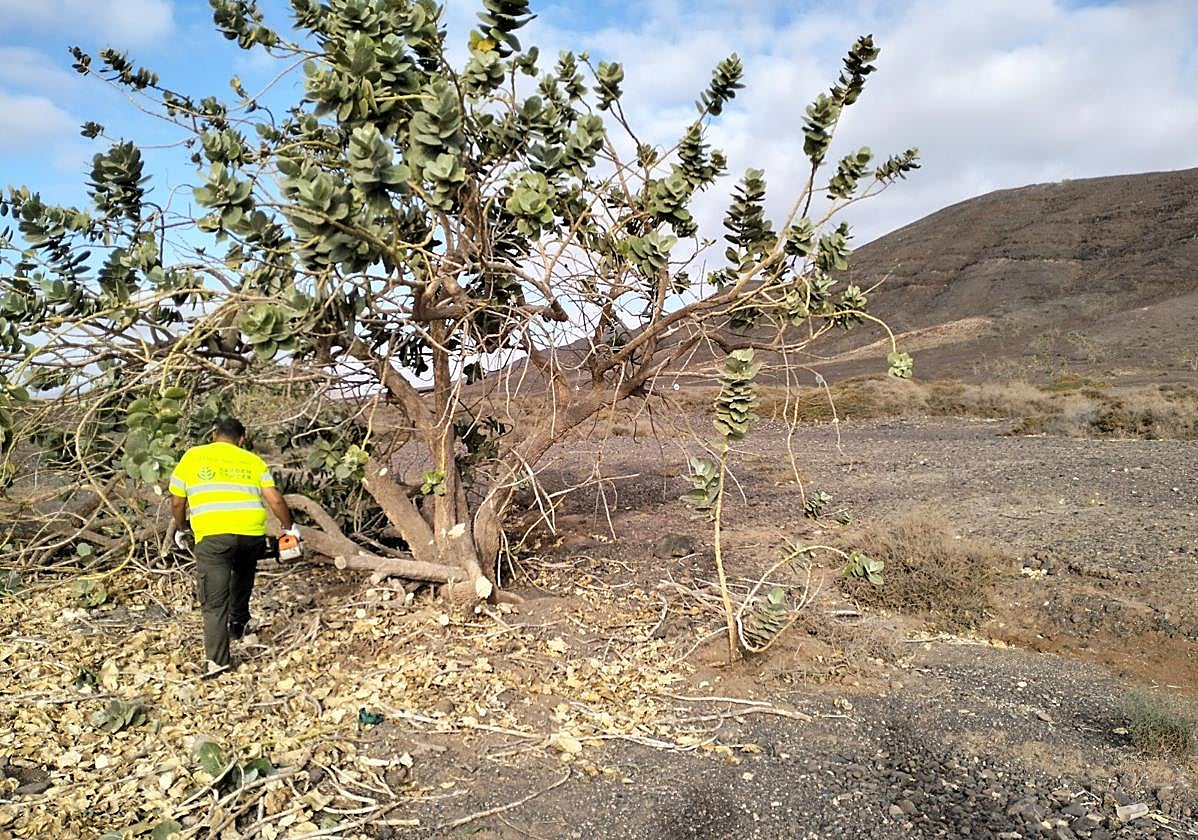
Calotropis procera, native to the African continent and parts of Asia, has become a threat in many Mediterranean regions, including the Canary Islands. Known for its vibrant flowers and large, waxy leaves, this tree can dominate natural spaces, outcompeting local flora for resources. Its rapid growth and resilience often lead to considerable ecological imbalance, making it a prime target for invasive species management strategies.
Targeted Municipalities
The pilot project will specifically focus on several municipalities within Fuerteventura: Pájara, Antigua, Betancuria, Tuineje, and Puerto del Rosario. These areas have been identified as hotspots for Calotropis procera proliferation. By concentrating efforts in these locations, the initiative aims to restore the ecological integrity of these regions and protect the native species that call them home.
Preserving Native Ecosystems
Central to the project is the enhancement of soil structure, which plays a crucial role in sustaining native plant species. The strategy incorporates agroecological principles and traditional knowledge, ensuring that the interventions resonate with local customs and practices. This multifaceted approach not only plans for the immediate removal of invasive species but also builds a resilient habitat for future generations.
Regulatory Framework and Collaboration
In aligning the project’s goals with existing legislation, the initiative adheres to local, national, and European guidelines regarding invasive species management. This not only strengthens the project’s legitimacy but also facilitates cooperation with established networks, such as the Canary Early Warning Network for Invasive Exotic Species. Carlos Rodríguez, the regional Environment Councillor, emphasized the importance of such collaborations in effectively implementing the pilot.
Focus on Natural Solutions
A key feature of the pilot is its emphasis on natural solutions and biodiversity restoration. This approach underscores an understanding that while invasive species pose significant challenges, there are eco-friendly methods to reclaim and revitalize native habitats. The project aims not only to eliminate a singular threat but to foster a flourishing environment where native species can thrive once more.
By implementing these strategies, Fuerteventura is taking an active role in environmental stewardship, aiming to strike a balance between human activity and nature’s delicate systems. Addressing invasive species like Calotropis procera is a critical step toward preserving the island’s unique ecological heritage.
The initiative contributes to a broader conversation on sustainability and biodiversity, reminding us of the intricacies of our ecosystems and the responsibilities we hold in their management and protection.