The Archaeological Discoveries of Lobos Island: Unveiling Roman Footprints in Fuerteventura
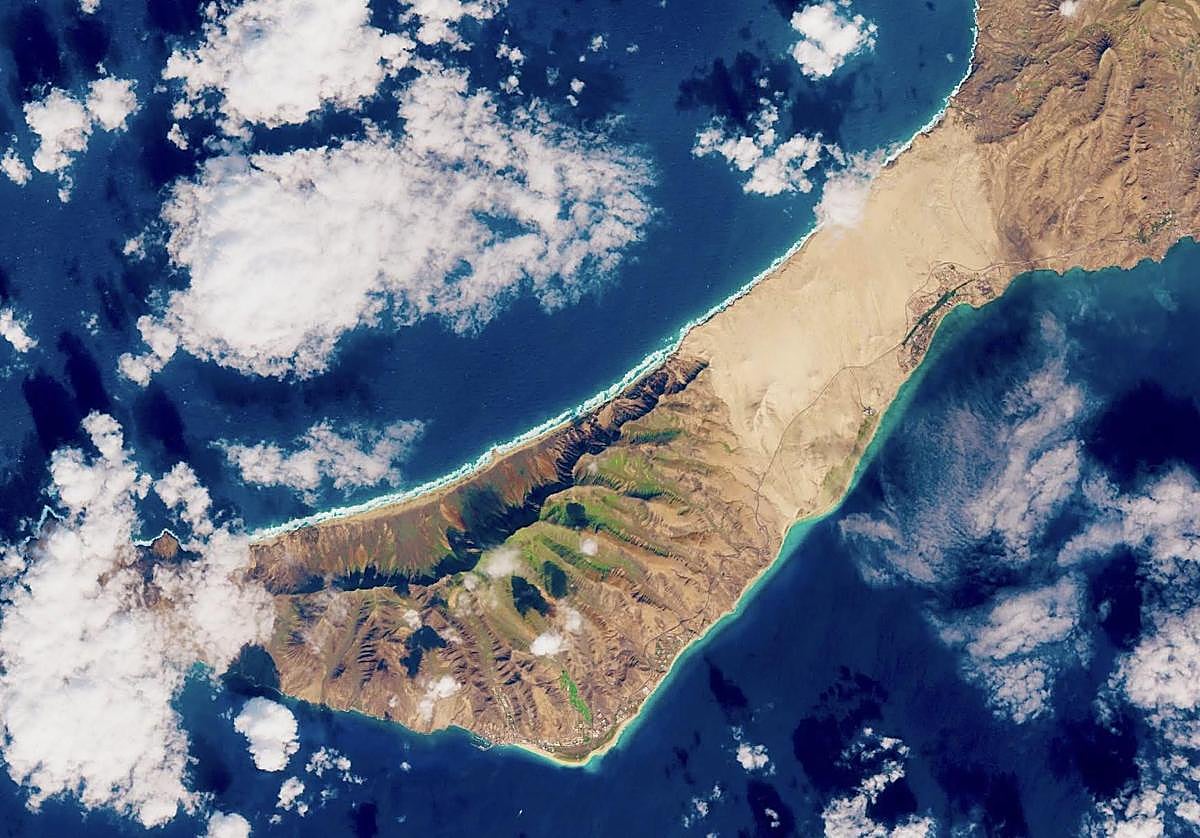
In recent years, the archaeological efforts on Lobos Island have led to significant revelations about the island’s historical narrative. Since 2012, these investigations have reached a new level as researchers turn their attention toward the northern region of Corralejo. The possibility of uncovering remnants of a Roman settlement may not just change the understanding of the area but could redefine the broader history of the Canary Islands.
The Journey so Far
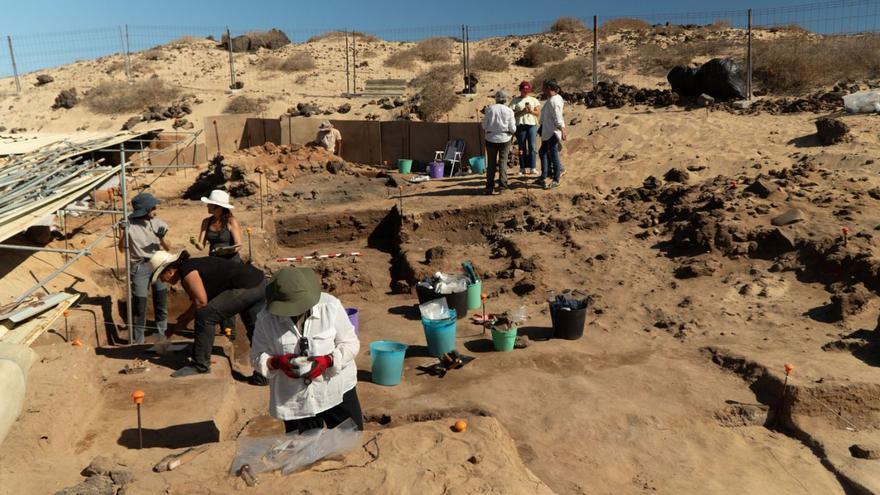
The archaeological project on Lobos Island, known for its rich historical significance, is a collaborative endeavor supported by various institutions, including the Cabildos of Fuerteventura and Tenerife, as well as the University of La Laguna (ULL). Over the course of a decade, researchers have conducted ten campaigns, each contributing valuable insights into the island’s past. In this latest phase, which spanned three weeks, archaeologists included local museum collaborators from both Fuerteventura and Tenerife, showcasing the project’s robust community involvement.
The Focus on Corralejo
Recent surveys on the beaches of Corralejo present intriguing evidence that could suggest a previously unrecognized settlement linked to Mediterranean trade routes. This shift in focus signifies an exciting opportunity for archaeologists to explore how Fuerteventura interacted with other regions during ancient times. Understanding these connections will not only illuminate local history but also offer a larger perspective on trade dynamics in the Mediterranean.
The Significance of the Lobos Site
One of the focal points of the current campaign is the Lobos I site, recognized as a Roman purple dye workshop. As the oldest known site dedicated to this industry in the region, its excavation is paramount to understanding the socio-economic aspects of ancient Canarian life. Researchers aim to delineate and define the extent of this site while intending to provide insights into the production and trade of this valuable dye that was highly sought after in antiquity.
The ongoing excavation of a kiln in the northern section of the site reveals a trove of remnants, including not only materials related to the dye process but also artifacts related to daily life such as ceramics and food remnants. This dual focus offers a nuanced view of how the inhabitants lived and worked, balancing their commercial activities with domestic needs.
Leadership and Expertise
The project garners leadership from distinguished figures in the field of archaeology, such as Isidoro Hernández from the Archaeological Museum of Fuerteventura and Mercedes del Arco from the Archaeological Museum of Tenerife. Their expertise is complemented by Carmen del Arco, a renowned professor of Prehistory, whose contributions enhance the project’s academic rigor and depth.
Carmen del Arco emphasized the uniqueness of the site, describing it as crucial for understanding the ancient economic exploitation of marine resources in the Canary Islands. Such insights underscore the need for continued archaeological work to piece together the complex puzzle of historical interactions in the region.
Institutional Support and Collaboration
The present campaign has received authorization from the Directorate General of Culture and Cultural Heritage of the Canary Islands, ensuring it aligns with broader cultural preservation efforts. Additionally, the local airline Binter supports the project by covering transportation costs for the archaeological team and their materials, highlighting the significance of community and corporate involvement in cultural heritage.
Looking Ahead
With the potential discoveries in Corralejo looming, the future of the archaeological explorations promises to be even more compelling. Each campaign not only aims to unearth artifacts but also to reshape the historical narratives of the Canary Islands, connecting them to wider Mediterranean influences. The interweaving of past and present through these findings invites local communities and global audiences alike to appreciate a shared heritage that transcends time and geography.