The Tourism Turnaround in El Cotillo: A Community in Crisis
The Discrepancy Between Touristic Spaces and Local Population
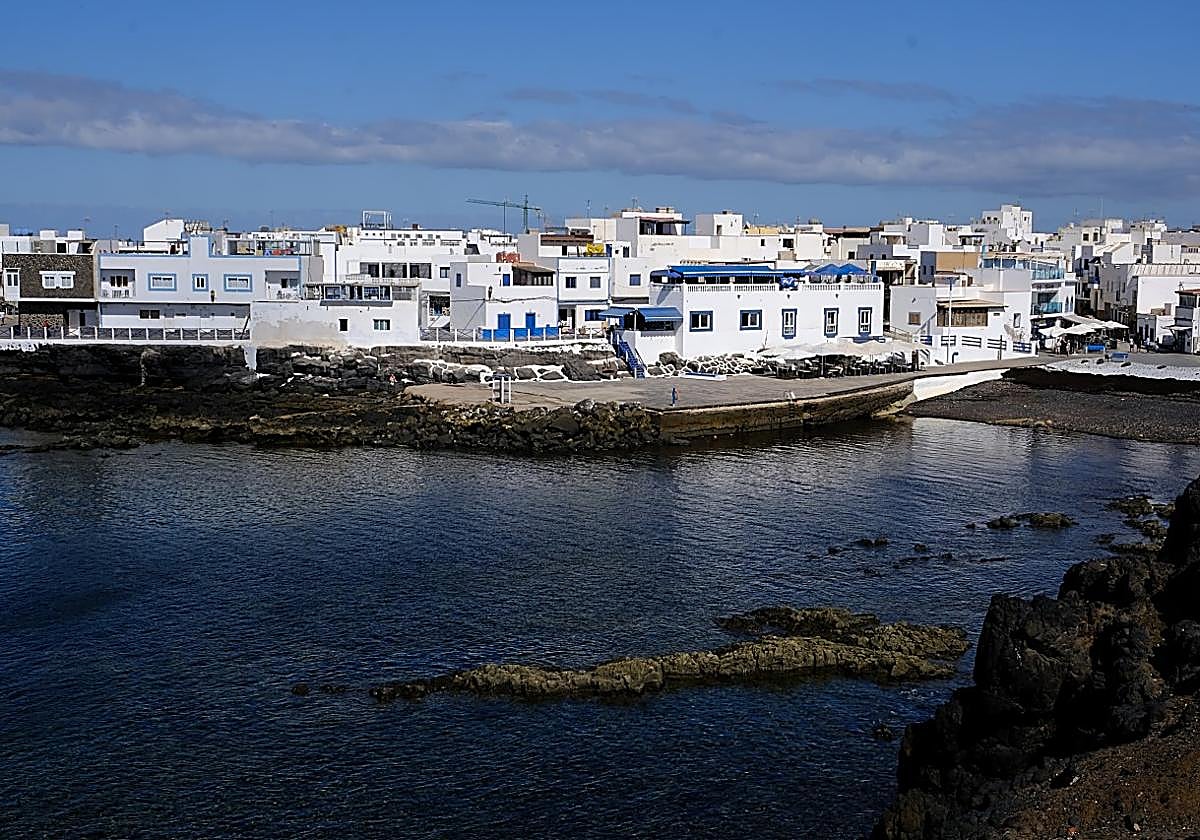
El Cotillo, a picturesque village in the municipality of La Oliva, is facing alarming statistics in its tourism sector. Currently, there are approximately 2,500 tourist accommodation spots juxtaposed against merely 1,730 registered residents. This striking ratio of nearly two inhabitants for every three tourist accommodations highlights a pivotal concern: the burgeoning impact of tourism on the local community’s fabric.
Individuals from Drago Canarias have raised red flags concerning the ongoing touristification of this once-sleepy fishing village. It’s no secret that the influx of tourists can bolster a local economy, but when it edges towards replacing the local populace, the situation turns precarious.
Economic Strains on Local Residents
Aceysele Chacón, spokesperson for Drago in Fuerteventura, sheds light on a worrying trend of population replacement occurring within El Cotillo. High-net-worth individuals are snapping up properties, often purchasing homes valued at €300,000 outright. This surge in affluent residents leads to a domino effect—property prices inflate, forcing locals to contend with elevated costs of living, not just in housing but also in basic necessities such as groceries, dining, and other retail outlets.
What was once a community-oriented village, built largely on its rich fishing heritage, is transforming rapidly. Moreover, as the physical landscape shifts, so do the socio-economic dynamics. The result? Many local workers are forced to live in vans or caravans, unable to afford local housing—an unsettling juxtaposition for those employed to service a booming tourism economy.
Historical Context: From Fishing Village to Tourist Hotspot
Drago Canarias has taken a moment to reflect on the historical charm that El Cotillo once embodied. Historically, it was a quaint fishing village comprised of humble houses constructed by its residents. Presently, however, the area is dotted with massive blocks of vacation rentals and luxury villas targeted primarily at tourists and wealthy homeowners.
This transformation troubles local residents, as they find themselves increasingly marginalized. Traditional aspects of their culture and lifestyle, once woven into the fabric of the community, are now at risk of being overshadowed.
The Role of Local Governance
A significant factor contributing to El Cotillo’s housing crisis is the lack of a General Urban Plan (PGO) by the La Oliva municipality. This absence has led to a chaotic and unplanned approach to construction, exacerbating the already serious imbalance between tourist accommodations and local housing. With no regulatory framework in place, buildings are rising in an ad-hoc manner, ignoring the needs and voices of local residents.
Chacón also emphasizes that creating a PGO is about more than just implementing new regulations. The overarching goal must be to prioritize the community’s wishes, ensuring that any development honors the territorial integrity and cultural identity of El Cotillo.
Concerns Over Future Developments
Compounding the dilemma, the local mayor—a figure who also acts as a real estate agent—has stirred controversy with announcements suggesting that future developments will allow construction in areas between El Cotillo and its neighboring community of El Roque. This proposed action raises concerns that it reflects a broader insensitivity toward the environment and heritage of the region, rather than fostering development that benefits the existing community.
Living Amidst Change
As the local populace wrestles with these complex issues, many feel caught in a whirlwind of transformation. Workers, essential to support the influx of tourists and affluent residents, find themselves grappling with the precarious balance of serving this dual economy while struggling for their own place within it.
The dynamics in El Cotillo present a microcosm of broader challenges faced by many tourist-dependent communities worldwide—illustrating the tightrope walk between economic opportunity and social responsibility. The village’s narrative is not just one of tourism but of identity, community, and survival in an ever-evolving landscape.