The education landscape in the Canary Islands is undergoing significant changes as the regional government launches new professional training initiatives aimed at enhancing vocational education. Under the leadership of Poli Suárez, the Ministry of Education, Vocational Training, Physical Activity, and Sports has announced five new Integrated Professional Training Centers (CIFP) set to open their doors for the 2025/2026 academic year. A notable transformation is taking place with the conversion of the IES Jandía into the Integrated Professional Training Center of Morro Jable in Fuerteventura.
These new CIFPs are not just an arbitrary addition to the educational infrastructure; they serve a strategic purpose. By establishing specialized vocational training centers across the islands, the initiative aims to create a seamless transition between education and the local job market. With the recent inclusions of the CIFP in Valverde and the CIFP in San Sebastián de La Gomera, all seven Canary Islands will now feature at least one of these dedicated centers. This move aligns with the goals set forth in the Island Map of Vocational Training in Tenerife for 2025/26, designed to bridge the gap between education and industry.
The CIFP in Morro Jable is joined by two additional centers in Gran Canaria—the CIFP in Telde and the CIFP in Guía. With this comprehensive network of educational facilities, the Canary Islands currently host 178 public centers offering a range of vocational programs across basic, intermediate, and advanced levels. These include not only traditional classrooms but also blended and online learning scenarios, ensuring accessibility for all learners.
Turning to El Hierro, the new CIFP in Valverde carries forward the legacy of its predecessor, the IES Garoé. This center integrates the educational offerings available in Valverde with those from IES Roques de Salmor in Frontera, collectively providing a diverse range of programs that cater to the needs of the student population. The unification of resources allows for a broader curriculum and better educational opportunities, ensuring that students gain the skills needed for their futures.
La Gomera is also joining the ranks of enhanced vocational training facilities with the establishment of its first integrated center at San Sebastián de La Gomera. Like El Hierro, this center will continue the courses previously conducted at the local IES while incorporating adult education programs from the La Gomera Adult Education Center. Together, they provide a comprehensive offering of vocational education with 31 different groups available for aspiring students.
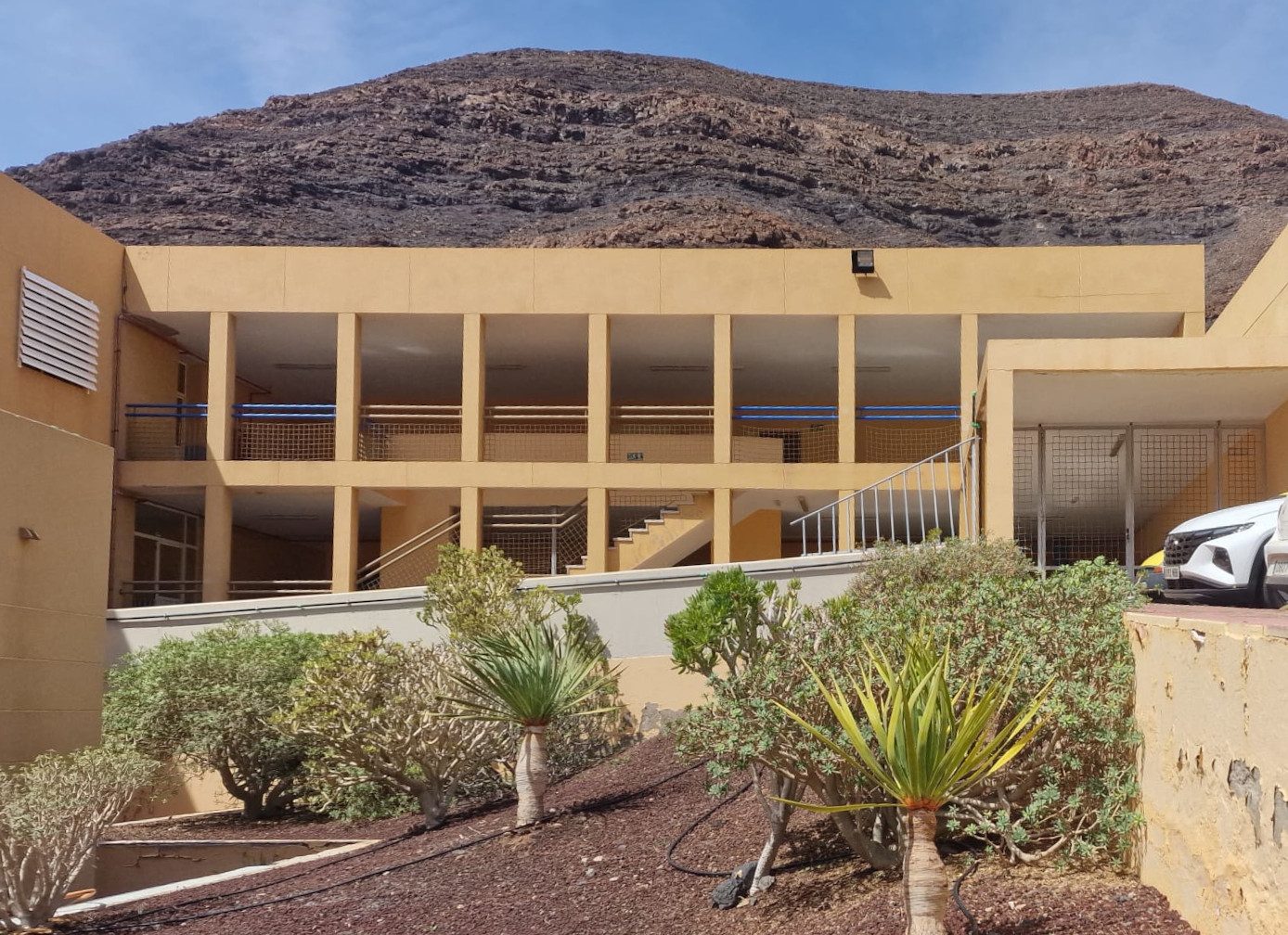
In Fuerteventura, the reconversion of the IES Jandía to CIFP Morro Jable marks an important development in vocational education. This center will consolidate existing programs while expanding the educational footprint in the region. With a total of eight IES and two CIFPs across the island, Fuerteventura has made significant steps toward fostering educational excellence and job readiness, supporting a total of 157 student groups.
Finally, Gran Canaria continues to strengthen its educational offerings with the introduction of the CIFP in Guía and CIFP in Telde—both of which are taking over programs from their respective former IES institutions. The CIFP in Guía emerges as the first integrated center in northern Gran Canaria, while Telde adds to the existing educational landscape by enhancing vocational training in the southern part of the island. Collectively, these developments are set to increase the number of groups available for learners across Gran Canaria to 1,024.
The Ministry continues to diligently pursue the objectives outlined in the Island Map of Vocational Training in the Canary Islands for 2025/26. This ambitious plan emphasizes expanding course offerings in all seven islands to better meet the preferences of students while addressing the labor market demands specific to each geographic area.