Overview of the Doctors’ Strike in the Canary Islands
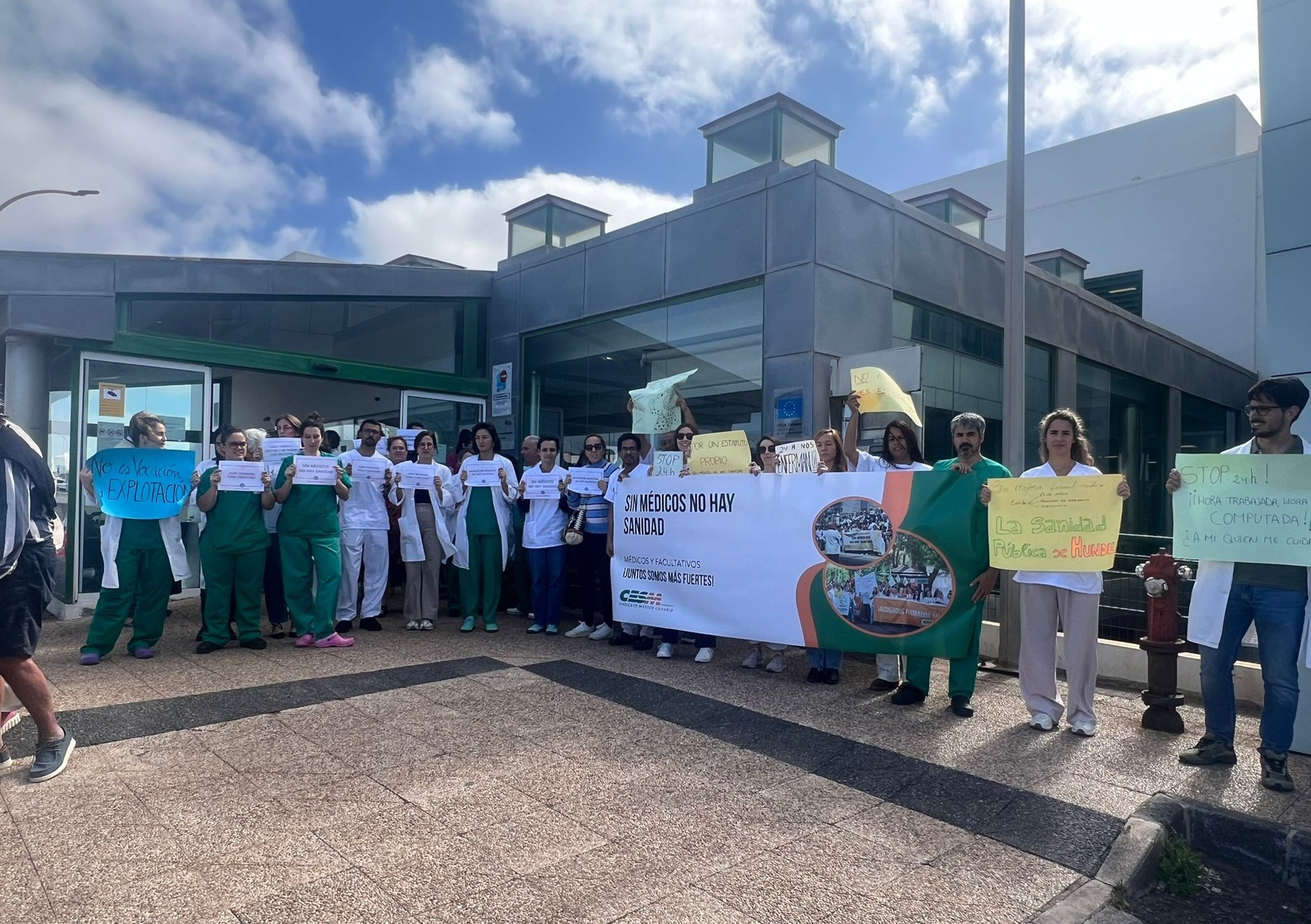
The Ministry of Health of the Government of the Canary Islands has recently provided an update regarding the ongoing strike initiated by doctors. This protest is primarily against the proposed reform of the Framework Statute by the Ministry of Health. The situation has garnered significant attention, as it directly impacts the healthcare services provided to the residents of the Canary Islands.
Strike Participation Rates
According to the latest reports, the participation rate among healthcare professionals in the Canarian Health Service (SCS) has been relatively low, standing at 14.06%. Out of the 7,100 personnel called to strike, only 4,466 were directly affected by the strike, with 628 choosing to participate. This indicates a divided sentiment among healthcare workers regarding the proposed reforms.
Breakdown by Health Areas
The participation rates varied significantly across different health areas within the Canary Islands. In Gran Canaria, the response was more pronounced, with 337 out of 1,786 affected personnel joining the strike, resulting in a participation rate of 18.87%. This suggests that the doctors in this region may feel more strongly about the proposed changes compared to their counterparts in other areas.
In contrast, the participation rate in Tenerife was lower, with only 269 out of 2,106 affected personnel participating, translating to a rate of 12.77%. This disparity raises questions about the underlying factors influencing the differing levels of engagement in the strike across the islands.
Participation in Other Islands
The response from other islands was notably varied as well. In Lanzarote, only 27 out of 282 professionals, or 9.57%, joined the strike. Fuerteventura saw an even lower participation rate, with just four out of 316 affected personnel, which is a mere 1.27%. La Palma recorded a participation rate of 3.68%, with six out of 163 affected professionals choosing to strike. Interestingly, both El Hierro and La Gomera reported no personnel participating in the strike at all.
Morning Shift and Minimum Services
Despite the strike, the morning shift on Monday proceeded without any notable incidents. The shift had 1,302 personnel assigned to minimum services, ensuring that essential healthcare operations continued uninterrupted. This aspect highlights the commitment of many healthcare workers to maintain a level of service, even amidst protests.
Implications for Healthcare Services
The strike and its follow-up raise important questions about the future of healthcare in the Canary Islands. The varying levels of participation suggest a complex landscape of opinions among healthcare professionals regarding the proposed reforms. While some are clearly motivated to voice their concerns, others may feel that the changes are necessary or that striking would not yield significant benefits.
As the situation develops, it will be crucial to monitor how the Ministry of Health responds to the concerns raised by the striking doctors and whether further negotiations will take place. The outcome of this strike could have lasting implications for healthcare policy and the working conditions of medical professionals in the region.