The Controversial Telecommunications Antenna in Antigua: A Meeting of Dialogue and Understanding
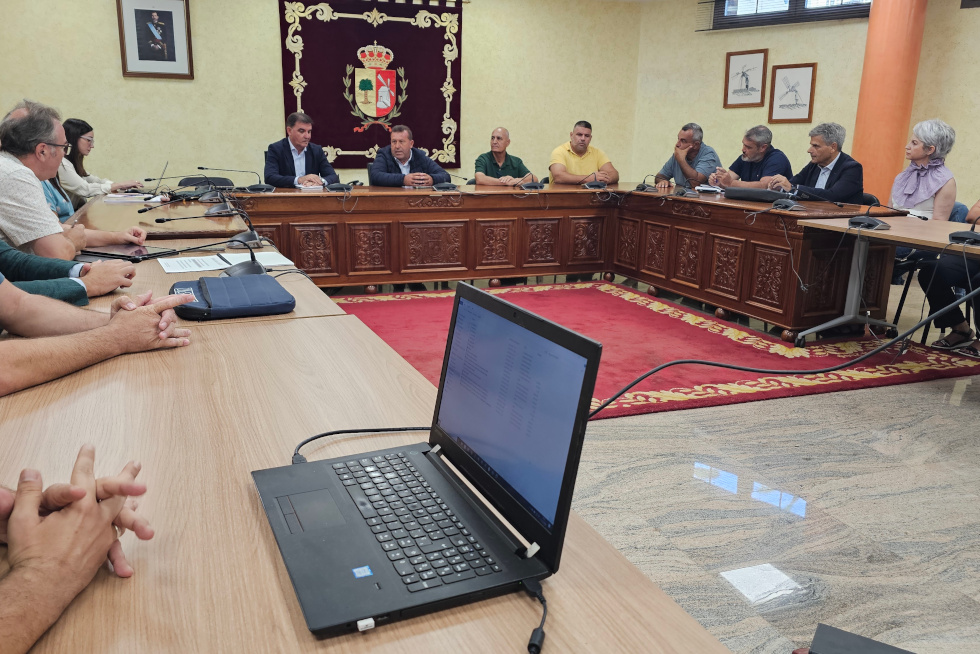
In the picturesque town of Antigua, recent developments surrounding the installation of a telecommunications antenna have stirred passionate discussions among residents. At the heart of this debate is the mayor, Matías Peña García, who recently expressed gratitude toward David Castaño, the Spanish president of Totem, the company responsible for the antenna’s controversial location. Their meeting, marked by a spirit of collaboration, represented a significant step toward resolving community concerns.
Acknowledging Diverse Perspectives
During the gathering, Mayor Peña took the opportunity to commend the open-minded approach of the representatives from the local community platform. This group, which has actively voiced concerns over the antenna’s placement, brought along two professional engineers who provided essential technical insight into the situation. The exchange of ideas emphasized the importance of listening to all stakeholders, fostering an environment where differing opinions could be expressed and respected.
Commitments Made: A Path Forward
Mayor Peña characterized the meeting’s outcomes as a resounding success. He highlighted key commitments made during discussions, notably the company’s agreement to provide detailed reports for evaluation by the engineers in attendance. This proactive step aims to ensure that all technical concerns are thoroughly examined. Moreover, the mayor encouraged the residents to share their decision regarding the antenna in the first week of November, creating a timeline for the community’s input that is grounded in collaboration.
The Importance of Dialogue
Emphasizing a positive atmosphere, Peña remarked on the collaborative nature of the meeting. “This was a meeting where the emphasis was on listening to one another, understanding varying viewpoints, and working towards a mutual agreement,” he said. The mayor’s commitment to being a mediator reflects his dedication to facilitating dialogue between the town’s administration and its residents.
Technical Insights from Experts
Equally crucial to the discussion were the insights shared by the telecommunications engineers. They aligned with Totem representatives, explaining the inverse relationship between antenna location, transmission power, and coverage. Interestingly, they highlighted that antennas situated further from populated areas require greater power to maintain service, often resulting in reduced overall coverage. Conversely, antennas placed within urban centers tend to emit lower power but provide broader coverage to residents.
An engineer present at the discussion made a compelling point, noting that personal mobile devices emit stronger radio frequencies when struggling with low reception. This observation was aimed at alleviating fears regarding the emissions associated with the new antenna installation, suggesting that everyday devices might pose more significant exposure risks than the antenna itself.
The Role of the Municipality
The representatives from the Antigua City Council played a crucial mediating role in the dialogue. By stepping in to facilitate communication, they aimed to bridge gaps between the community’s concerns and the needs of the telecommunications provider. This proactive stance not only reflects effective governance but also showcases the municipality’s commitment to addressing constituents’ worries and finding solutions collaboratively.
Moving Towards an Informed Decision
As the first week of November approaches, the residents of Antigua find themselves at a crossroads, armed with newly acquired information from the meeting. The anticipated decision will rely on the combined efforts and discussions that took place, underscoring the importance of community engagement in matters that directly impact daily life.
The voice of the residents, bolstered by professional advice and a willingness to engage with the challenges presented by modern technology, will play a decisive role in the future of telecommunications in Antigua. The stakes are high, but the emphasis on dialogue, understanding, and compromise sets a promising precedent for similar discussions in the future.