Fuerteventura’s Innovative Shift: Embracing Sustainable Tourism for Growth
Balancing economic impact and environmental responsibility is key for Fuerteventura’s future.
Fuerteventura, the jewel of the Canary Islands, is poised for a transformative leap towards sustainable tourism, a sector that many believe will define its economic future. The island’s natural beauty and unique ecosystems have long attracted travelers, but now, stakeholders are reshaping their approach to ensure that this influx contributes to long-lasting growth without compromising the environment. By prioritizing responsible tourism practices, Fuerteventura seeks to blend economic development with ecological preservation, creating a blueprint for others to follow.
Local businesses are stepping up to embrace sustainability, integrating eco-friendly practices into their operations. From hotels minimizing energy consumption to tour companies promoting awareness of the island’s fragile environments, there’s a palpable shift towards greener alternatives. This holds not only promise for the island’s pristine landscapes but also has the potential to attract a new demographic of conscientious travelers, eager to leave a positive footprint. As stakeholders collaborate on initiatives to bolster cleanup efforts and wildlife conservation, a community-focused economy is beginning to take shape, ensuring that tourism benefits both visitors and residents alike.
Moreover, innovations in technology are playing a crucial role in advancing Fuerteventura’s sustainability agenda. Digital platforms are aiding businesses in measuring their environmental impact while helping tourists make informed decisions about their travel. As the island carves a niche in eco-centric tourism, it positions itself as a leader in the sustainable movement, appealing to global trends and consumer preferences. Ultimately, Fuerteventura stands not just to enhance its economic stability through tourism but also to set a standard for sustainable practices in the industry, proving that environmental stewardship can coexist with economic prosperity.
Source: Gobierno de Canarias
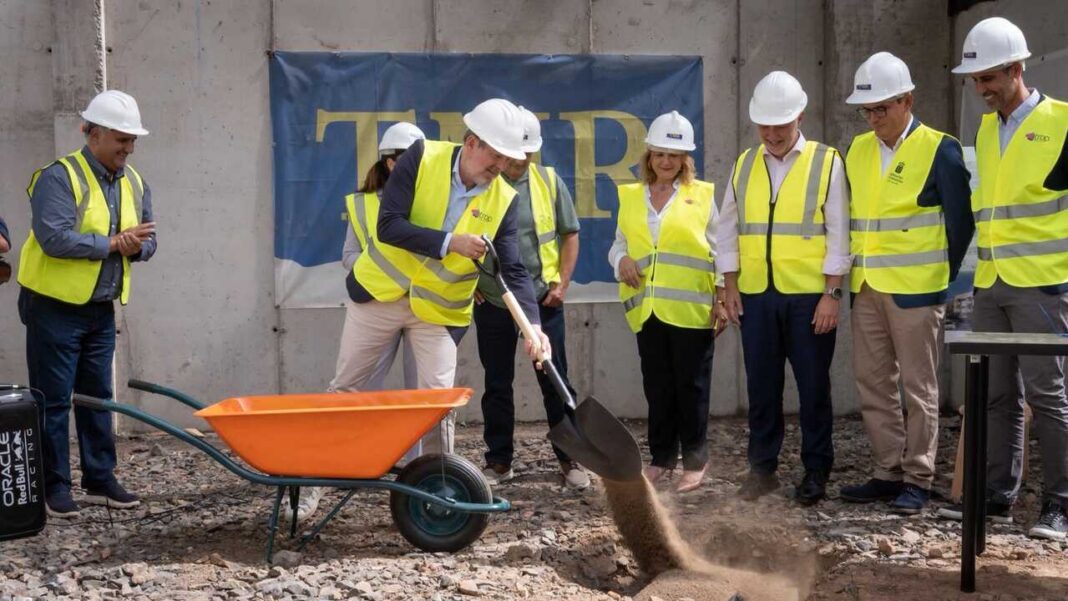
The Minister of Territorial Policy and Democratic Memory and General Secretary of the PSOE of the Canary Islands, Ángel Víctor Torres, has highlighted the work carried out by the Social Action Councilor of the Cabildo of Fuerteventura and Secretary of Social Policies of the Majorero PSOE, Víctor Alonso, “in the processing of different housing actions on the Island.” As reported by the PSOE of Fuerteventura, Torres personally conveyed his congratulations to Alonso during his recent visit to the Island, highlighting especially the administrative management necessary to coordinate projects financed by different administrations. “The work well done behind it is very important to take into account,” said Torres, who highlighted the complexity of some files in which the Ministry of Housing and Urban Agenda, European Next Generation funds, the Government of the Canary Islands, the Cabildo of Fuerteventura and the town councils of La Oliva, Puerto del Rosario, Tuineje and Pájara participate. The minister defined this administrative work as “shadow work, discreet, constant, but essential to execute any project, and citizens must be aware of it.” 19 million to rehabilitate 768 homes According to the data provided by the PSOE, the actions managed include the rehabilitation of 768 urban homes in Fuerteventura, with a joint investment of 19 million euros. Most of it is concentrated in La Oliva. Phases I and II of the Casco Viejo de Corralejo include 262 homes and an investment of 7.2 million euros, while phase III reaches another 107 homes with 2.6 million. In El Cotillo, 138 homes and an investment of 4.1 million are included. In Puerto del Rosario the actions reach 181 homes, with 4.2 million euros, while in Tuineje another 80 homes are contemplated with an investment of 800,000 euros. Files for 224 newly built homes The socialists also estimate that there are 224 newly built homes included in the processed files, with a global investment of 26.6 million euros. Of them, 77 are located in Corralejo, with an investment of 9.5 million euros, and another 99 in Puerto del Rosario, with 16.8 million. In Pájara, another 48 homes are contemplated through an agreement with Visocan and a designated investment of 300,000 euros. In this way, the actions cover both the rehabilitation of the existing residential park and projects to increase the housing supply in several municipalities of Fuerteventura, through financing from different public administrations.
Originally reported by www.lavozdefuerteventura.com, rewritten by the Fuerteventura Times AI Editorial Desk.