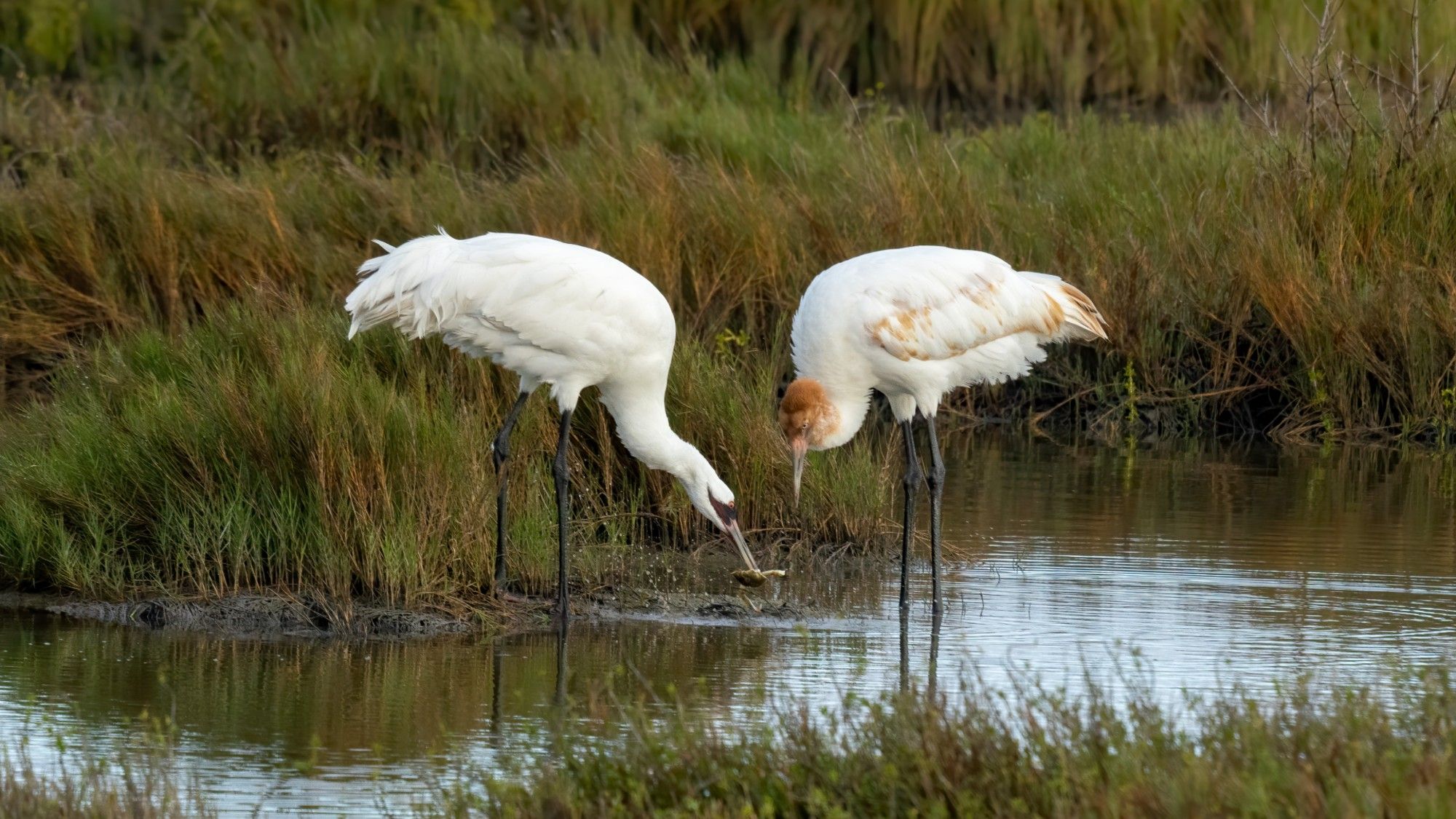
The Glorious Birds We Saved
To “see a whooping crane in the wild is to be reminded that we nearly killed something miraculous — and then, almost unbelievably, we didn’t,” reflects Margaret Renkl in her poignant piece for The New York Times. This statement encapsulates the delicate balance between human intervention and nature’s resilience, particularly in the context of conservation efforts aimed at saving endangered species.
The Whooping Crane: A Symbol of Hope
The whooping crane, once on the brink of extinction, serves as a powerful symbol of hope and resilience. With its striking white plumage and impressive wingspan, this majestic bird has captivated the hearts of many. However, its journey to recovery has been fraught with challenges. In the early 20th century, habitat destruction and hunting led to a dramatic decline in their population, leaving only a few dozen individuals in the wild. Yet, through concerted conservation efforts, including habitat restoration and breeding programs, the whooping crane population has rebounded to over 800 birds today.
The Role of Human Wisdom in Conservation
Renkl raises a critical question: “Do we still have the wisdom to save what we have the ability to save?” This inquiry is particularly relevant in an age where environmental degradation is rampant. The whooping crane’s recovery is a testament to what can be achieved when humans prioritize conservation. However, it also serves as a cautionary tale. The belief that we are exempt from the consequences of our actions is not only misguided but potentially suicidal at a species level. The interconnectedness of ecosystems means that the loss of one species can have cascading effects on others, including humans.
The Importance of the Endangered Species Act
The Endangered Species Act (ESA) has played a pivotal role in the recovery of the whooping crane and many other species. Enacted in 1973, the ESA provides a framework for the protection of endangered and threatened species and their habitats. It has facilitated critical recovery efforts, including the establishment of protected areas and the implementation of recovery plans. The success of the whooping crane is a clear illustration of the effectiveness of such legislation. However, ongoing political and social challenges threaten the future of the ESA and, by extension, the species it aims to protect.
A Call to Action
As we reflect on the journey of the whooping crane, it becomes evident that the fight for conservation is far from over. The question remains: how can we ensure that future generations will also have the opportunity to witness these magnificent birds in the wild? It requires a collective effort from individuals, communities, and governments. Education and awareness are crucial in fostering a culture of conservation. By understanding the importance of biodiversity and the role each species plays in our ecosystem, we can inspire action and advocacy.
The Ripple Effect of Conservation
The recovery of the whooping crane is not just about saving a single species; it has broader implications for the health of our ecosystems. Healthy populations of birds like the whooping crane indicate a thriving environment. They play essential roles in their habitats, from controlling insect populations to dispersing seeds. Thus, their conservation is intrinsically linked to the overall health of our planet.
The Future of Conservation
Looking ahead, the future of conservation will depend on our ability to adapt and innovate. Climate change poses new challenges that require us to rethink our strategies. As habitats shift and species migrate, conservation efforts must be flexible and responsive. Collaborative approaches that involve local communities, scientists, and policymakers will be essential in creating sustainable solutions.
In conclusion, the story of the whooping crane is a powerful reminder of what can be achieved through dedication and collaboration. It challenges us to reflect on our relationship with nature and our responsibility to protect it. The journey of these glorious birds is not just a tale of survival; it is a call to action for all of us to engage in the ongoing fight for conservation.