Urgent Call to Protect the Biodiversity of Jandía Peninsula
The Asociación para la Conservación de la Biodiversidad Canaria (ACBC) has raised alarm over the conservation status of the Jandía Peninsula in Fuerteventura, urging the local authorities, specifically the Cabildo, to enhance protective measures for this area’s unique biodiversity. This coastline, renowned for its striking landscapes and rich flora, is facing serious threats—from wild livestock and tourism pressure to the adverse effects of climate change.
A Natural Treasure Under Threat
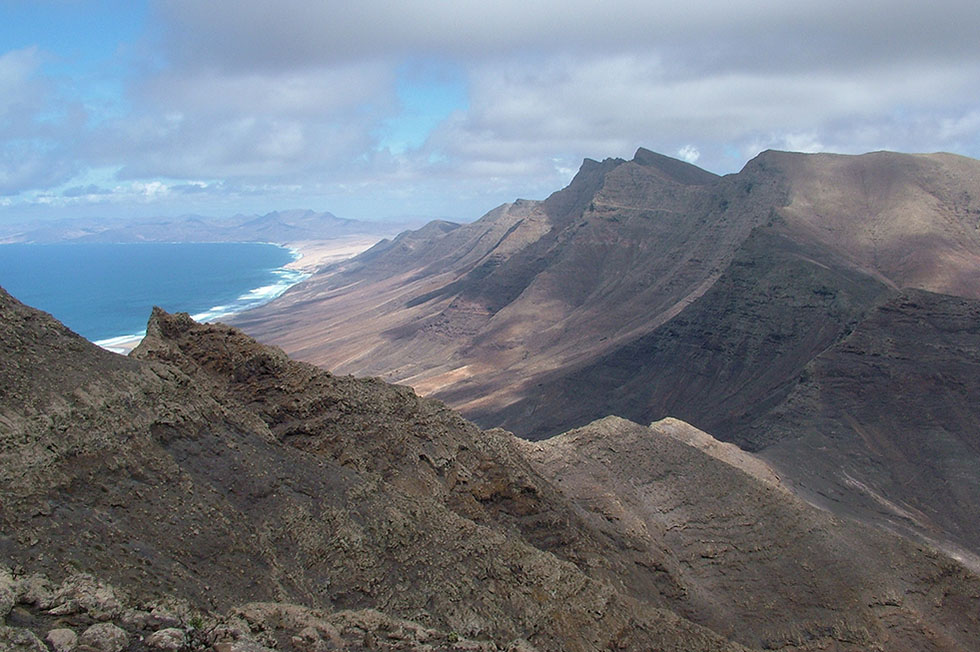
The Jandía Peninsula is celebrated as one of the most ecologically distinctive regions in the Canary Islands. Located at the southern tip of Fuerteventura, this peninsula boasts desert landscapes, pristine beaches, dune fields, and steep cliffs that catch the trade winds’ moisture. Yet, it is the high concentration of endemic flora that truly sets Jandía apart, ranking it fifth among Spain’s Important Plant Areas (IPAs) due to its botanical richness and presence of endangered species.
Unique Flora and Fauna
Among the endemic plants thriving in Jandía are over a dozen exclusive species, including various types of cardón, margarita, taginaste, cañaheja, bientequiero, and tabaira. Many of these plants flourish in remote, hard-to-reach refuges perched on steep cliffs, providing a sanctuary where moisture and inaccessibility limit the impact of invasive species such as goats and rabbits.
Moreover, these environments are home to a variety of endemic invertebrates that contribute to the peninsula’s standing as “the hub of greatest biodiversity in Fuerteventura” and one of the most intriguing yet vulnerable ecosystems in the archipelago.
The Impact of Wild Livestock and Tourism
Unfortunately, the presence of free-roaming livestock, particularly goats, coupled with the over-influence of tourism, has led to significant vegetation degradation. The ACBC notes that although barriers were previously erected to protect certain areas, the lack of maintenance has rendered them ineffective, allowing these animals access to sensitive regions and hindering natural regeneration.
Proposed Conservation Strategies
In light of these challenges, the ACBC advocates for an immediate and comprehensive project dedicated to the protection and restoration of the region. To this end, the organization has outlined several priority actions aimed at enhancing the resilience of sensitive species through cultivation and reintroduction into their natural habitats.
One of the initial steps includes initiating propagation efforts for endangered native taxa from the mountainous region, which would allow for the cultivation of viable specimens for future reintroduction. Once established, new populations could be strategically placed in previously evaluated suitable areas to bolster biodiversity.
Monitoring and Scientific Initiatives
Another critical avenue proposed involves intensifying scientific monitoring of the most threatened species. The ACBC suggests expanding exploratory efforts to other cliff areas using binoculars and drones, utilizing methodologies previously adopted by the Cabildo for locating rare plants like colino majorero.
Managing Visitor Impact
In addition to targeted restoration, the ACBC emphasizes the necessity of managing visitor flows in sensitive regions, particularly around the Pico de la Zarza. Increased vigilance, proper trail delineation through fencing, and appropriate signage could greatly minimize the adverse effects of human traffic on the local vegetation.
Moreover, there is a pressing need for enhanced environmental education through informative panels that elucidate the area’s ecological significance and encourage visitors to adhere to designated pathways.
Addressing Wild Livestock Management
The ACBC also underscores the importance of effectively controlling feral livestock in compliance with existing regulations and reinforcing and maintaining fences in the most vulnerable areas.
These measures are seen as a crucial first step toward a larger initiative focused on the comprehensive ecological protection and restoration of the Jandía Peninsula, which the ACBC regards as one of the last bastions of Fuerteventura’s original biodiversity.
Through these outlined actions, the ACBC hopes to secure a sustainable future for Jandía’s unique ecosystems and the irreplaceable plant and animal species they harbor.