Environmental Crime Case in the Canary Islands: A Wake-Up Call for Wildlife Protection
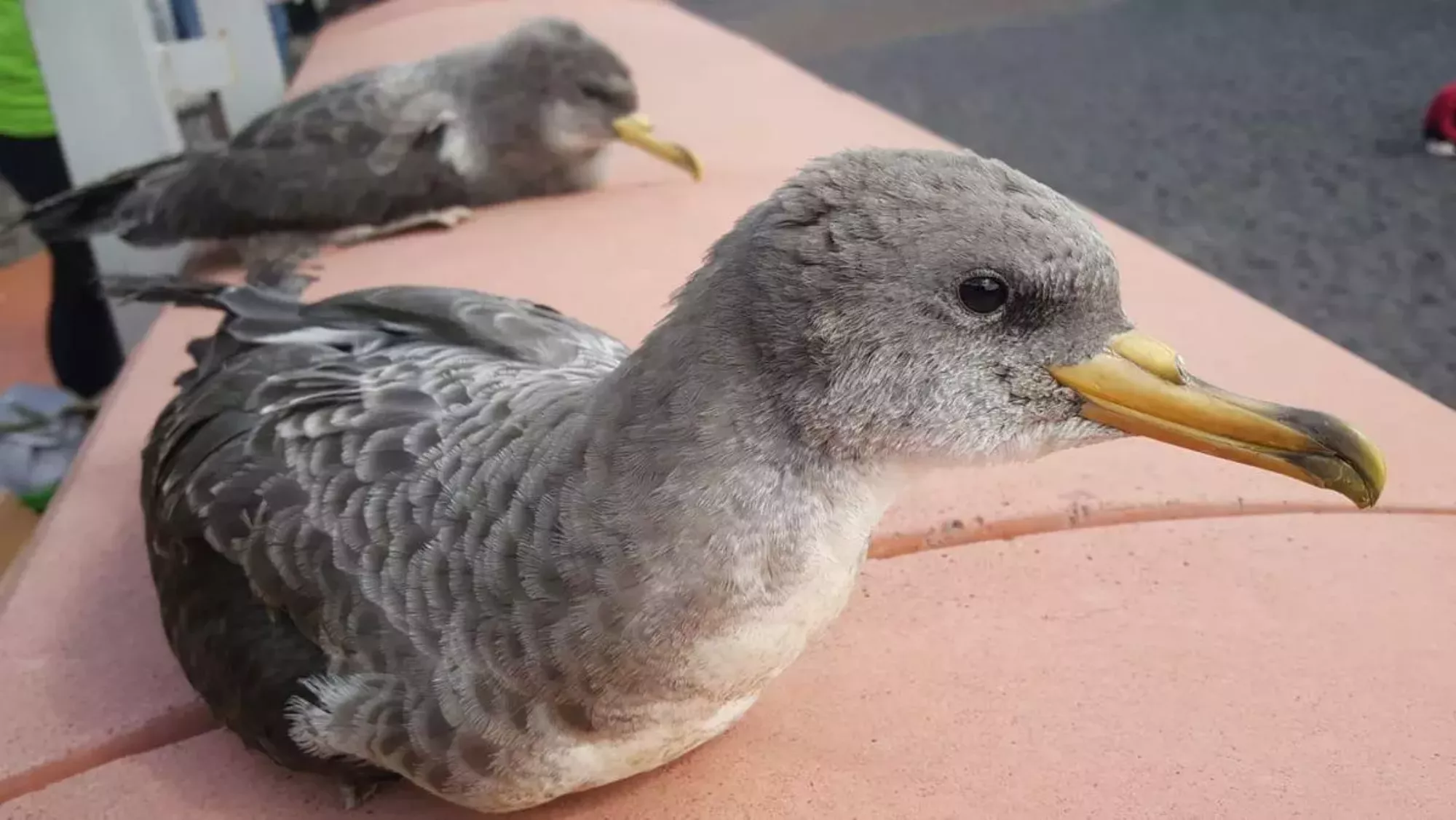
In a recent and alarming incident, the serene beauty of the Canary Islands has been marred by an environmental crime that highlights the ongoing threats to protected wildlife. A court in Fuerteventura has handed down hefty penalties to two individuals guilty of illegally capturing and killing seven gray shearwaters in the Jandía Natural Park. Each offender faces a fine of €3,200 and a three-year hunting ban, emphasizing the judiciary’s stance against such actions.
The Incident Unfolds
The harrowing events took place in September 2025, when agents from the Guardia Civil were conducting patrols near the Punta Pesebre Lighthouse in the municipality of Pájara. In a surveillance operation, they noticed unusual lights flickering in the mountainous terrain between Junquillo Beach and Barlovento Point. Sensing a potential illegal activity, the officers intercepted two individuals as they approached their vehicle carrying a raffia sack and a hooked stick—tools well-known for extracting birds from their nesting sites.
A Protected Species in Peril
Upon inspection, the agents discovered seven deceased gray shearwaters (Calonectris borealis) inside the sack. This species is listed as vulnerable in the Spanish Catalog of Threatened Species and is protected under both national and European legislation. The capture of these birds is explicitly prohibited, particularly during periods when their chicks accumulate weight and become more susceptible to illegal hunting practices.
Investigation and Findings
Following the seizure, a meticulous chain of custody was established, and the birds were transported to the Universitary Institute of Animal Health and Food Safety (IUSA). Here, experts verified the species and conducted thorough examinations. The findings revealed that the seabirds had died from asphyxia and cranial trauma, strengthening the evidence against the accused in court.
Judicial Consequences
The court’s resolution categorizes these actions as a significant environmental crime, given the offense’s impact on a protected species residing within a natural area of immense ecological value like Jandía. This ruling not only serves as a penalty for the culprits but also acts as a pertinent reminder of the legal protections in place for wildlife.
The Broader Implications
This case spotlights the acute pressure facing biodiversity in the Canary Islands, an archipelago renowned for its unique flora and fauna. The incident sheds light on the ongoing battle against poaching and illegal hunting, practices that threaten the survival of crucial species integral to the balance of the island’s ecosystems.
Conservationists and environmental advocates have long raised alarms about the ramifications of such activities, emphasizing that the illegal capture of protected birds can have cascading effects on other species and the overall ecological health of the islands.
A Call to Action
As communities and governments reflect on this grave incident, the need for heightened awareness and stringent enforcement of wildlife protection laws becomes more critical than ever. The fate of vulnerable species like the gray shearwater rests not only in the hands of the judiciary but also relies on collective public consciousness and proactive measures to safeguard the enchanting yet fragile biodiversity of the Canary Islands.
This recent event serves as a reminder of the ongoing challenges in protecting habitat and wildlife, encouraging a unified call for conservation efforts and continued vigilance against environmental crimes.