Understanding Illegal and Active Discharges in Fuerteventura
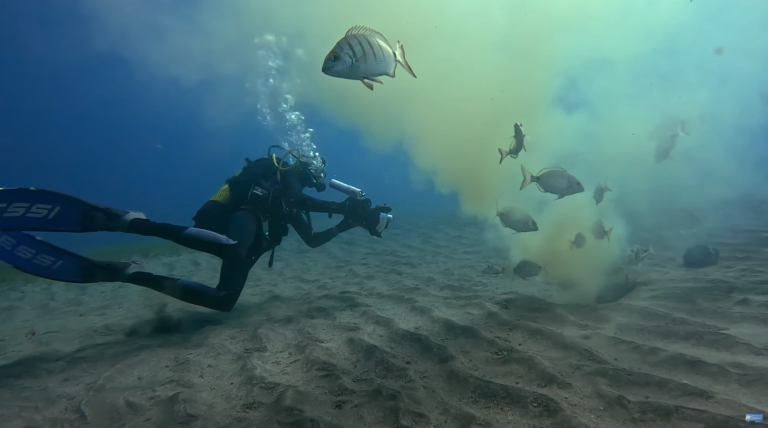
Fuerteventura, one of the stunning Canary Islands, is not only known for its mesmerizing beaches and unique landscapes but also faces serious environmental challenges. Among these challenges are active and unauthorized discharges of wastewater, posing a risk to public health and the local ecosystem. Let’s delve into the specifics of these discharges and their implications.
Categories of Discharges
The unauthorized discharges can be categorized based on their public ownership, either from the local municipalities or the Water Consortium. Here’s a closer look at some of the key regions affected:
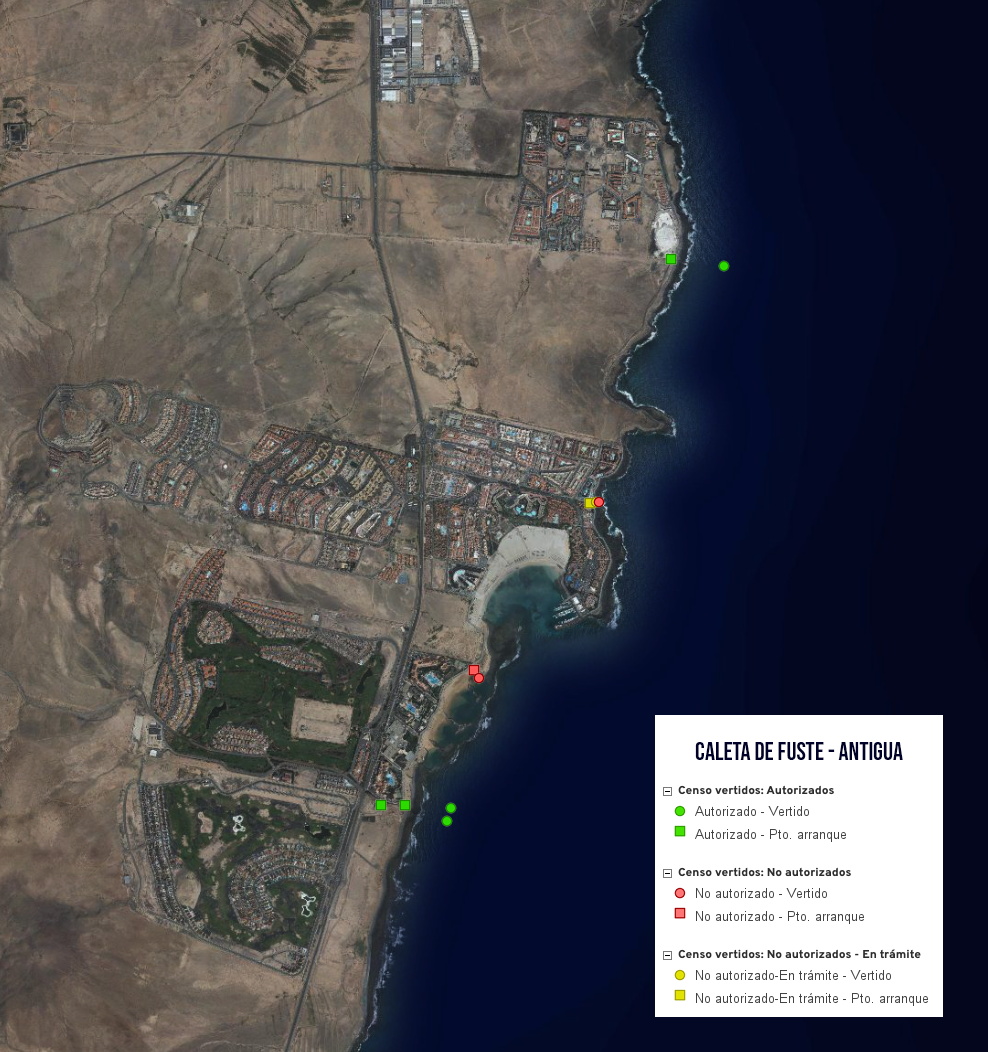
Antigua
- Caleta de Fuste: Here, the issues stem from the sewage network and discharges from the Barceló Hotel.
- Caleta de la Guirra: Discharges originate from the company Anjoca, contributing to the contamination concerns in the area.
La Oliva
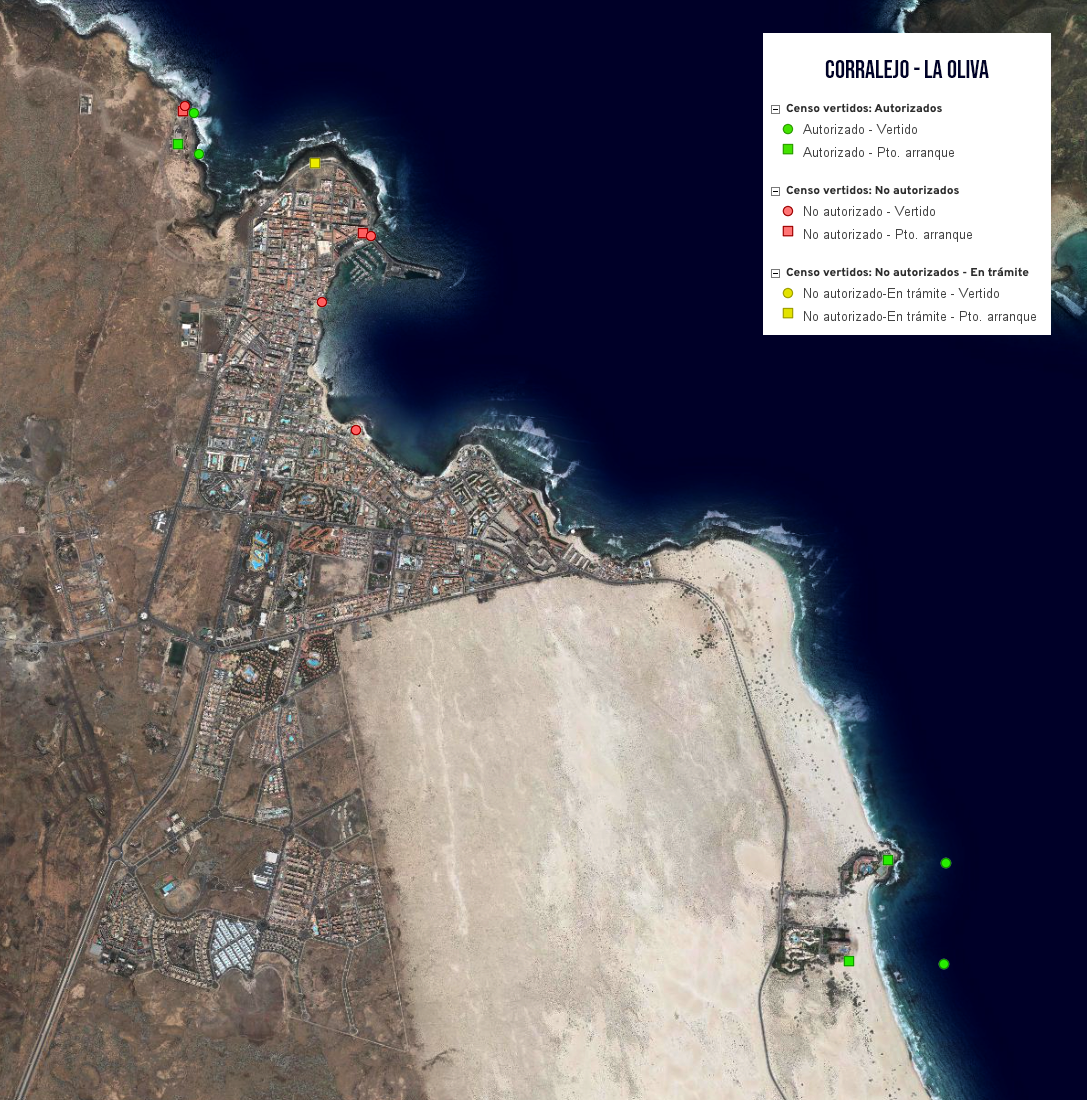
La Oliva is another hotspot for wastewater problems:
- Corralejo: This area sees discharges at various sites including Charco de Bristol, Playa del Muelle Chico, and Corralejo Viejo, managed by the consortium and the local council.
- Puerto de Corralejo: Discharges made by the local municipality exacerbate contamination levels.
- El Cotillo: Discharges at Playa del Muellito raise significant environmental concerns.
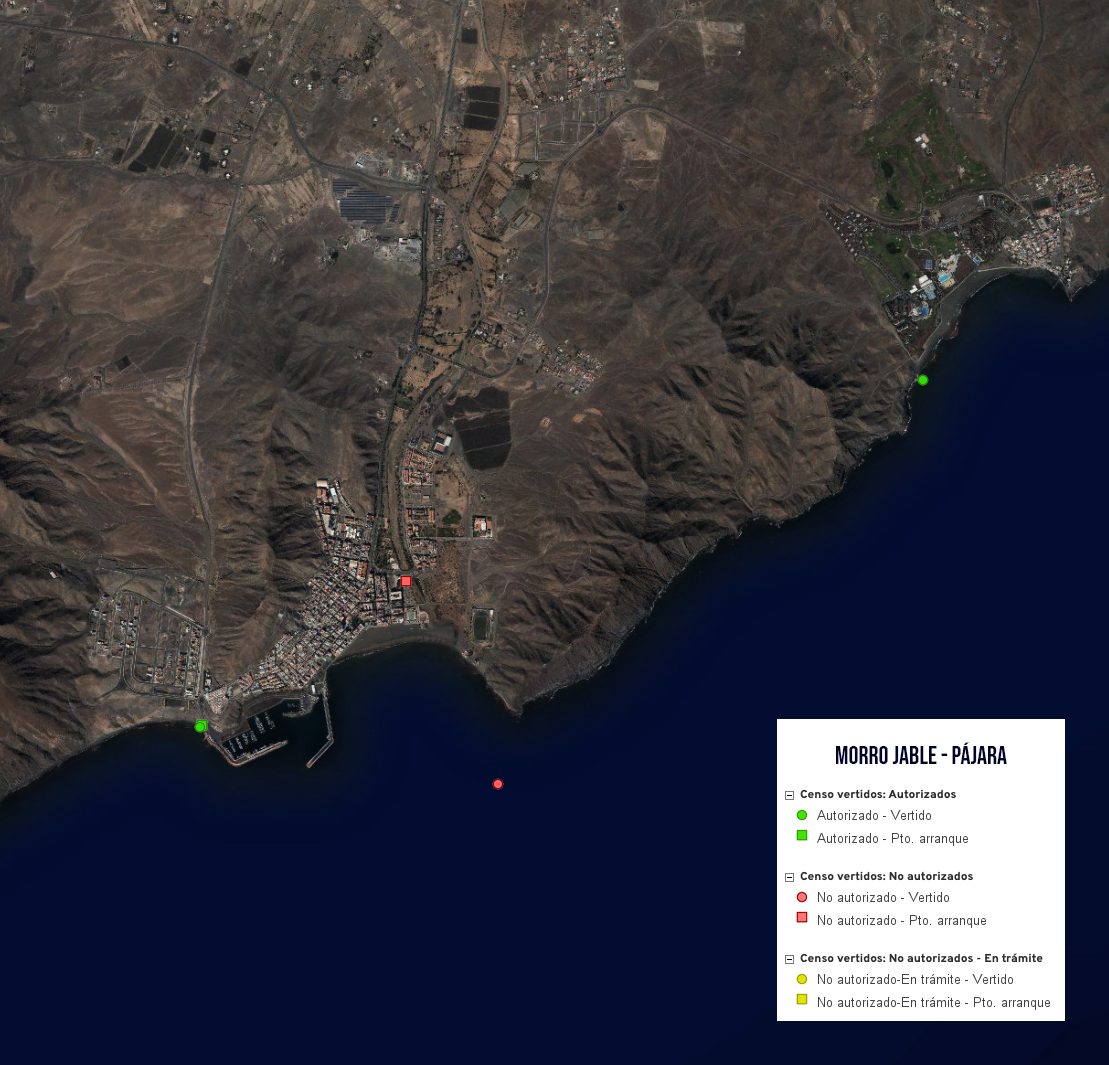
Pájara
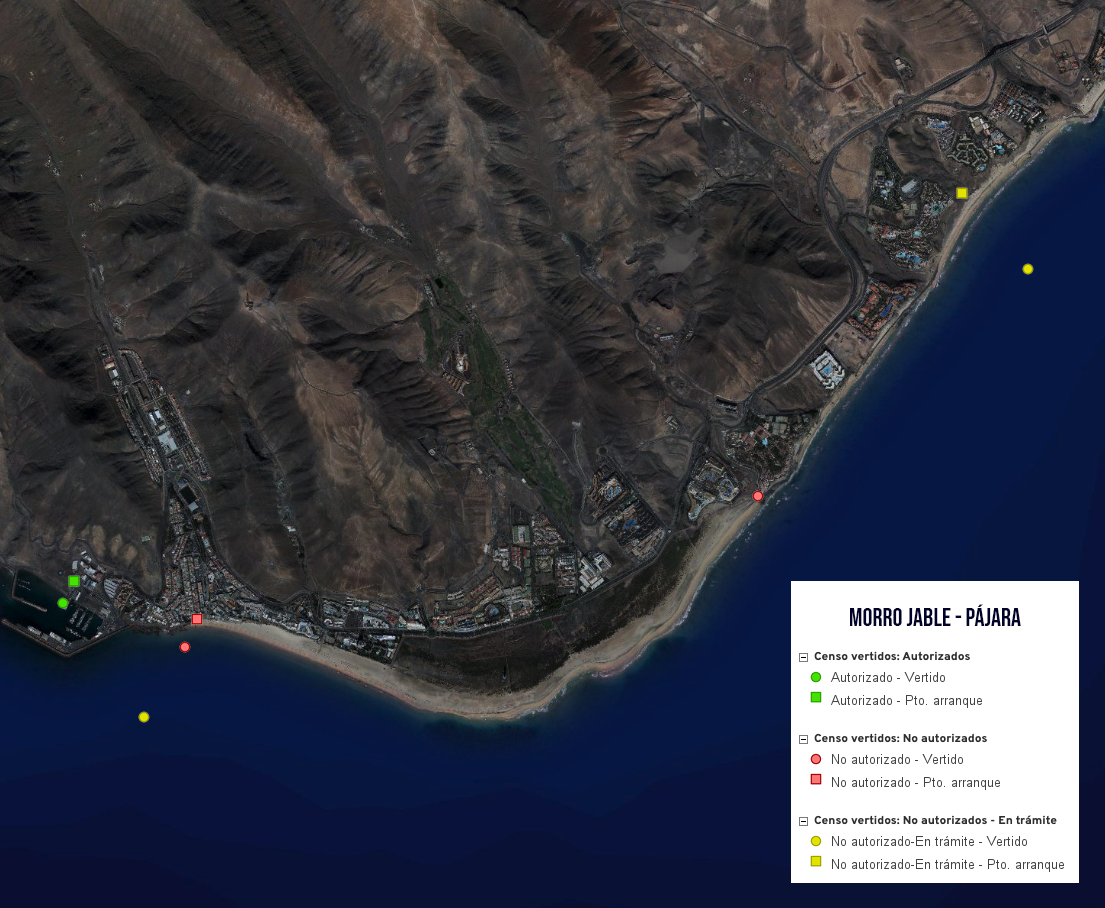
In Pájara, the situation includes:
- Puertito de la Cruz: An unauthorized discharge from the local council.
- Esquinzo: Contamination at Playa de Butihondo, associated with the society Playas de Jandía.
- Costa Calma: Wastewater discharge from the society FuertCan has become a critical issue.
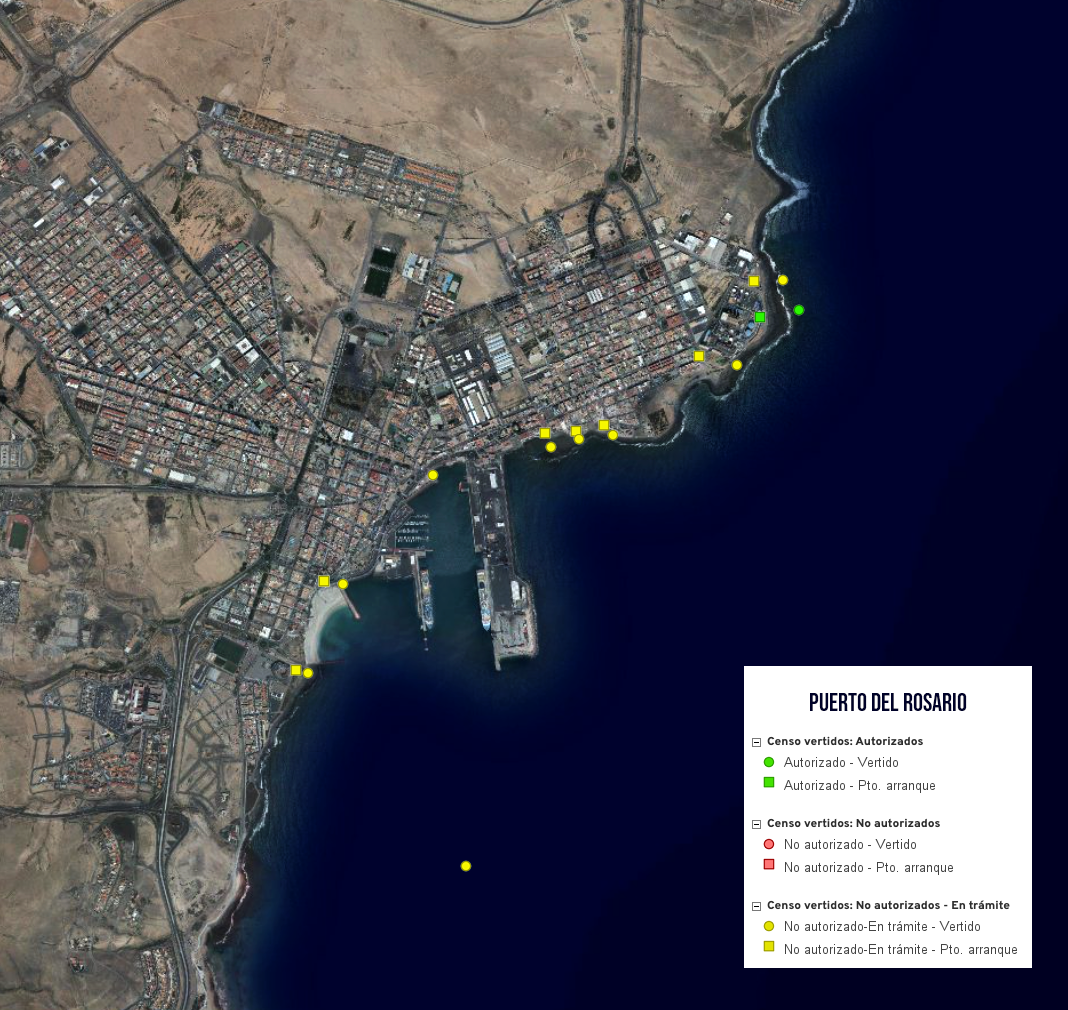
Puerto del Rosario (Currently Under Review)
In Puerto del Rosario, a variety of discharges are under scrutiny:
- Punta del Gavioto: Sewage from the Water Consortium.
- El Charco: Four identified discharges from the local council, alongside additional discharges at the commercial dock, Los Hornos, Los Pozos, and Playa Chica.
Tuineje
In Tuineje, the issue is localized:
- Playa de Gran Tarajal: Another discharge linked to the local council.
Health Risks of Contaminated Waters
Bathers in contaminated waters face serious health risks, particularly from bacteria such as Escherichia coli (E. coli) and Enterococcus. While E. coli can naturally exist in our bodies, an overabundance in water can lead to infections.
Common Infections
- Urinary Tract Infections: E. coli is the leading cause of these infections and can also cause meningitis in newborns.
- Gastroenteritis: Consuming contaminated water can lead to painful gastrointestinal issues, characterized by diarrhea, vomiting, and abdominal pain.
- Ear Infections: Otitis can occur after exposure to infected water.
The Dangers of Enterohemorrhagic E. coli
This particular strain of E. coli can result in severe symptoms, including severe stomach cramps, bloody diarrhea, and minimal fever. Most individuals recover within a week, but the illness can be more serious for vulnerable populations.
What’s in Our Food?
The implications of wastewater discharge extend beyond health concerns into our food system:
Numerous fish species such as sargos, bogas, sardines, octopuses, and jureles thrive in waters contaminated by organic waste. When these fish are harvested, consumers risk ingesting antibiotic residues and other contaminants, given their exposure to untreated waste.
Necessary Measures to Address the Issue
To combat these issues, several steps must be taken:
-
Infrastructure Improvement: Enhancing wastewater treatment facilities is crucial for reducing contamination.
-
Consistent Monitoring: Regular water quality assessments can help identify issues before they become public health threats.
-
Local and Regional Cooperation: Authorities need to work together to implement sustainable water management solutions.
-
Public Awareness: Educating the community about water safety and responsible tourism can promote healthier practices.
Understanding Blue Flags
A common misunderstanding is the relationship between blue flags and water quality. Importantly, blue flags, awarded by the European Foundation for Environmental Education, indicate environmental and safety standards but do not directly correlate with local water quality tests. A beach without a blue flag does not necessarily mean the water is unsafe for swimming; the criteria also consider environmental management and services offered.
Broader Implications
The wastewater crisis in Fuerteventura mirrors problems found throughout the Canary Islands, highlighting the urgent need for effective environmental management and investment in sustainable infrastructure. As the island continues to navigate the balance between tourism, ecology, and public health, it becomes increasingly vital to address these challenging issues head on.