Propuesta de regulación para un turismo sostenible
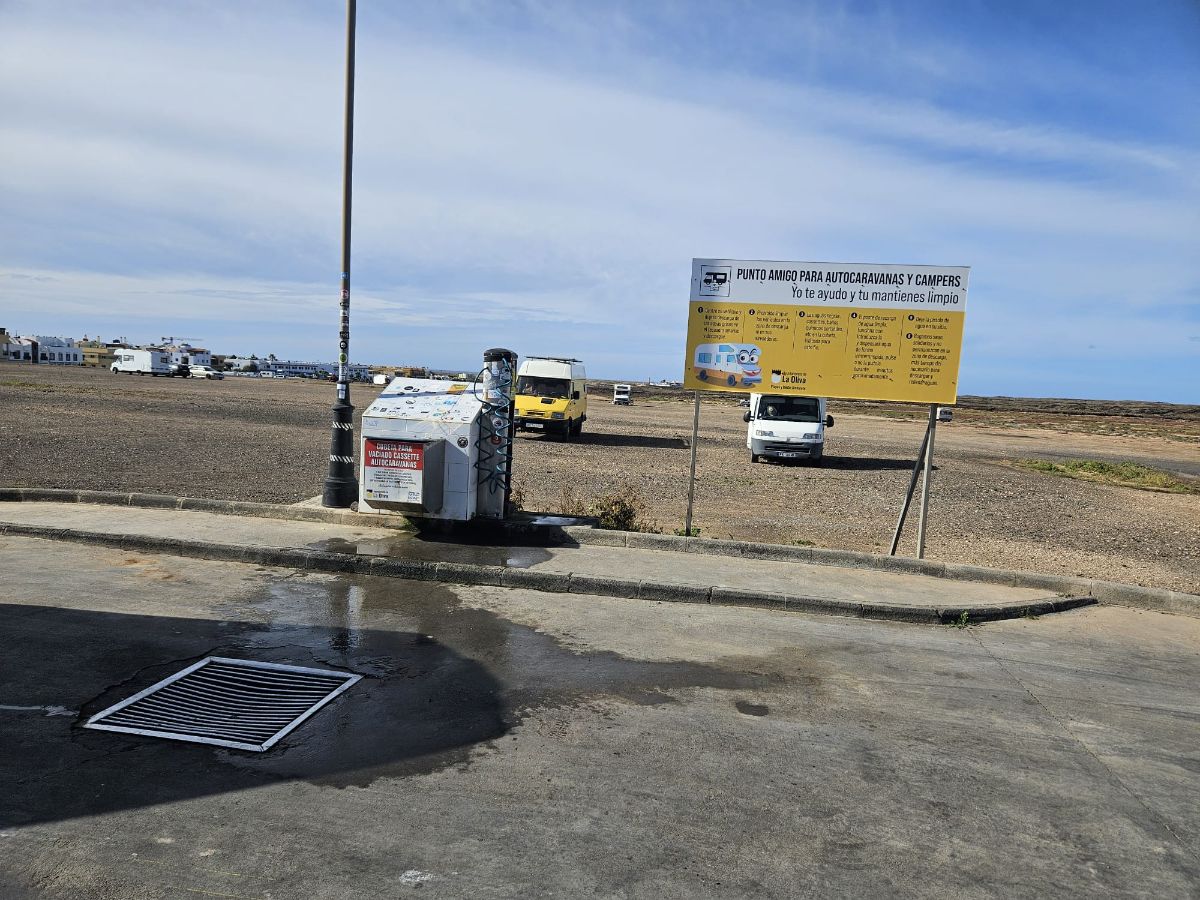
The local government of La Oliva has recently found itself at the center of a robust discussion surrounding the regulation of services in popular tourist spots, particularly concerning the use of water facilities at the El Cotillo motorhome area. The Partido Popular (PP) has made a bold proposal to establish a payment system for water usage in this popular area, aiming to promote responsible management of municipal resources.
Responsible Management of Resources
The issue was brought back to the table in recent plenary sessions, highlighting the urgency of implementing a system to manage resources effectively. Currently, the area operates without any control or economic compensation, which has led to challenges in maintaining essential services and has been a burden on municipal finances. Without some form of regulation in place, there is a risk of deteriorating infrastructure and a rise in maintenance costs that can strain public budgets.
Nereida Rodríguez, a councilor for the PP, articulated the party’s viewpoint, stating, “Public services must be managed with responsibility. Water, maintenance, and cleaning are not free for the municipality. If we want this service to operate effectively and remain sustainable over time, implementing a regulated payment system is essential.” This comment exemplifies the urgent need to align public expenditure with service delivery, ensuring that local authorities can maintain the quality expected by both residents and visitors.
Economic and Social Implications
The PP has clarified that their intention is not to limit access to the space but rather to enhance its sustainability and regulate its use. This nuance is crucial as the tourism model focusing on motorhomes presents a significant opportunity for the local economy. Visitors arriving in motorhomes tend to contribute to various sectors, such as local shops, restaurants, and recreational activities, generating revenue that benefits the entire community.
El Cotillo, in particular, stands out as a prime location for motorhome tourism, attracting visitors throughout the year. The PP’s proposal underscores the potential economic benefits of this tourism model, which can help secure jobs and foster local entrepreneurship. By emphasizing well-managed services and regulation, the hope is to maintain the equilibrium between inviting tourists and preserving local resources.
The Role of Local Governance
The push for regulation highlights an integral aspect of modern governance: the ability to adapt and evolve with changing tourist behaviors. Motorhome tourism has gained momentum as travelers seek unique experiences that allow for mobility and connection with nature. However, with this influx comes the responsibility for local governments to ensure that natural resources are not over-exploited.
The establishment of a payment system for using facilities such as water points can serve as a model for other municipalities grappling with the pressures of tourism. By fostering a more controlled environment, local authorities can simultaneously promote sustainability and protect the area’s natural beauty — crucial elements in maintaining the charm that attracts tourists in the first place.
Community Engagement and Feedback
The proposal by the Partido Popular also raises questions about community input in the regulatory process. Engaging residents, local business owners, and visitors in discussions about potential regulations can ensure that the measures taken align with the community’s needs and aspirations. Feedback mechanisms can help identify specific issues faced by both locals and tourists, leading to more comprehensive and accepted solutions.
Furthermore, transparency in how the funds collected from any payment system would be utilized can build trust within the community. If local residents see clear improvements in the maintenance of facilities or enhancements to public services thanks to an organized payment structure, they may be more inclined to support such initiatives.
Future Directions for Sustainable Tourism
With the increasing awareness of environmental issues, it is imperative that tourism initiatives align with sustainable practices. The movement towards a regulated system of payment for services in the El Cotillo area not only aims at immediate economic benefits but also strives for long-term sustainability. As more regions consider similar proposals, the ongoing discussions in La Oliva may serve as a beacon for best practices in balancing tourism and conservation.
The dialogue surrounding responsible tourism practices emphasizes a collective journey toward enhancing the experience for visitors while safeguarding the local environment and community resources for future generations. By embracing regulated systems and fostering responsible tourism, La Oliva can continue to thrive as a premier destination for motorhome enthusiasts, blending economic vitality with ecological mindfulness.