Fuerteventura’s New Eco-Tourism Tax: An Approach Towards Sustainable Growth
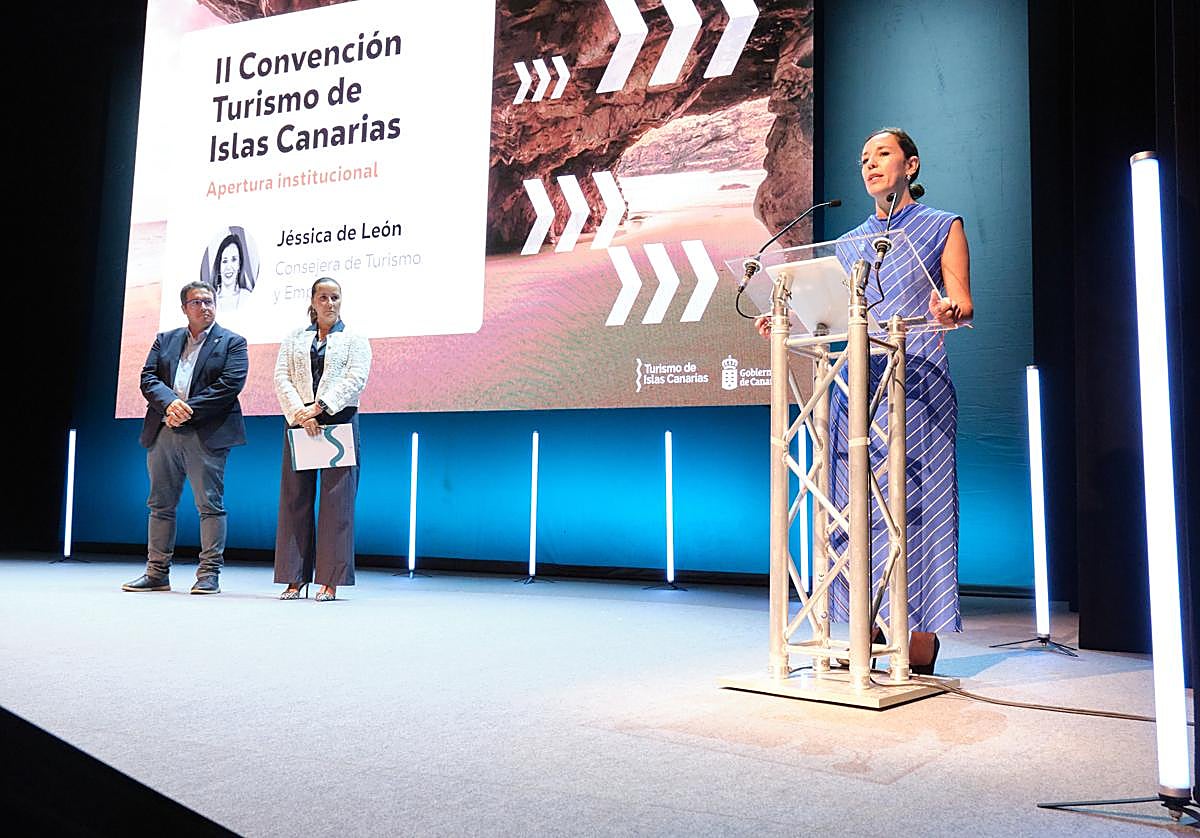
In a significant development for the beautiful island of Fuerteventura, the local government is stepping up efforts to manage its natural spaces through the implementation of an eco-tourism tax. The president of the island’s governing body, Lola García, recently highlighted the initiative during the 2nd Convention on Tourism in the Canary Islands, where Fuerteventura was chosen to host the event. This initiative aims not just to generate revenue but also to ensure the preservation of the island’s unique landscapes.
Understanding the Eco-Tourism Tax Initiative
Lola García emphasized the importance of establishing clear guidelines regarding tourism growth on the island. Rather than focusing solely on increasing visitor numbers, the plan is to promote sustainable tourism practices that protect the environment. “We need to stop, reflect, and define the exact lines for how we want to grow in tourism,” she stated. The island’s public spaces are a treasure that deserves protection, and residents have shown their support for this sentiment in recent public demonstrations across the Canaries.
Key Insights from Regional Government
Jessica de León, the Regional Minister of Tourism and Employment, clarified the roles of local governments in implementing tourism-related taxes. According to her, the power to collect an eco-tax lies with the individual councils but insists that Fuerteventura needs to join the conversation regarding the management of tourist flows, especially in sensitive natural areas. The situation varies across the islands; for instance, while Gran Canaria does not charge a tourism tax, Tenerife has already implemented it for certain regions like Anaga and Masca.
Targeted Natural Spaces for Implementation
In identifying the natural spaces that may be subject to this new tax, Garcia pointed to several key areas:
- Playa de Cofete: Situated within the Jandía Natural Park, this stunning beach is known for its dramatic scenery.
- Dunas de Corralejo: These dynamic sand dunes are a major tourist attraction and are integral to the region’s ecological framework.
- Cuevas de Ajuy: A geological marvel, these caves are designated as a natural monument within the Betancuria Rural Park.
García refrained from providing a specific timeline, emphasizing that collaboration is necessary among stakeholders involved in crafting the management plans for these protected areas.
La Oliva’s Commitment to the Eco-Tourism Tax
In a parallel move, the La Oliva Town Council has announced its commitment to exploring the implementation of a municipal eco-tourism tax. The council has commissioned an economic study to evaluate the viability of this initiative. The objective is to enhance public services and environmental protection in response to tourism’s growing impact.
Isaí Blanco, the mayor of La Oliva, expressed that the council aims to introduce the conversation with the seriousness it deserves. He stated, “If we manage to introduce a balanced and fair tax, we will make strides toward a more equitable and sustainable model.”
The Municipal Study: A Comprehensive Evaluation
The commissioned study by La Oliva will focus on various factors, including potential revenue generation, the variety of tax models, and the legal implications of implementation. This analysis accounts for the increasing number of holiday rentals and tourism establishments within the municipality.
David Fajardo, the councilman for the Environment, assured that the proposed tax would be minimal, posing little financial burden on visitors while allowing for the enhancement of essential services like cleaning, environmental conservation, and public space maintenance. As he emphasized, “This is not merely a revenue collection initiative. It’s aimed at ensuring that every tourist who stays in La Oliva contributes to the improvement and upkeep of our territory.”
Environmental Stewardship and Economic Sustainability
The establishment of an eco-tourism tax represents a pivotal step for Fuerteventura in balancing economic growth with environmental sustainability. The island’s unique natural offerings are not just a backdrop for vacationers but vital ecosystems requiring care and attention.
As discussions progress, the focus will remain on fostering a responsible tourism model that respects the island’s natural beauty while actively involving its residents in the decision-making process. The coming months will likely provide more clarity on how these initiatives will unfold, with both local residents and tourists watching closely.
In summary, Fuerteventura’s eco-tourism tax initiative exemplifies a growing trend within the tourism sector, emphasizing the necessity of environmental protection and sustainable practices that can benefit both locals and visitors alike.