The Rich Tapestry of Cowboy Culture: A Journey Through History
Cowboys, often romanticized in American folklore, have a complex and multifaceted history that transcends the simplistic narratives often presented in popular culture. The origins of the cowboy archetype are deeply rooted in a blend of cultures, showcasing the rich tapestry of influences that have shaped this iconic figure.
The European Roots of Cowboy Culture
In a recent speech, Secretary of State Marco Rubio traced the origins of the cowboy back to Spain, highlighting the European influences that have shaped American history. He emphasized that the cowboy, along with the horses, ranches, and rodeos, is a product of Spanish heritage. This narrative, while compelling, simplifies a much more intricate story that includes contributions from various cultures, particularly those of Indigenous peoples and African Americans.
A Different Perspective on Cowboy Origins
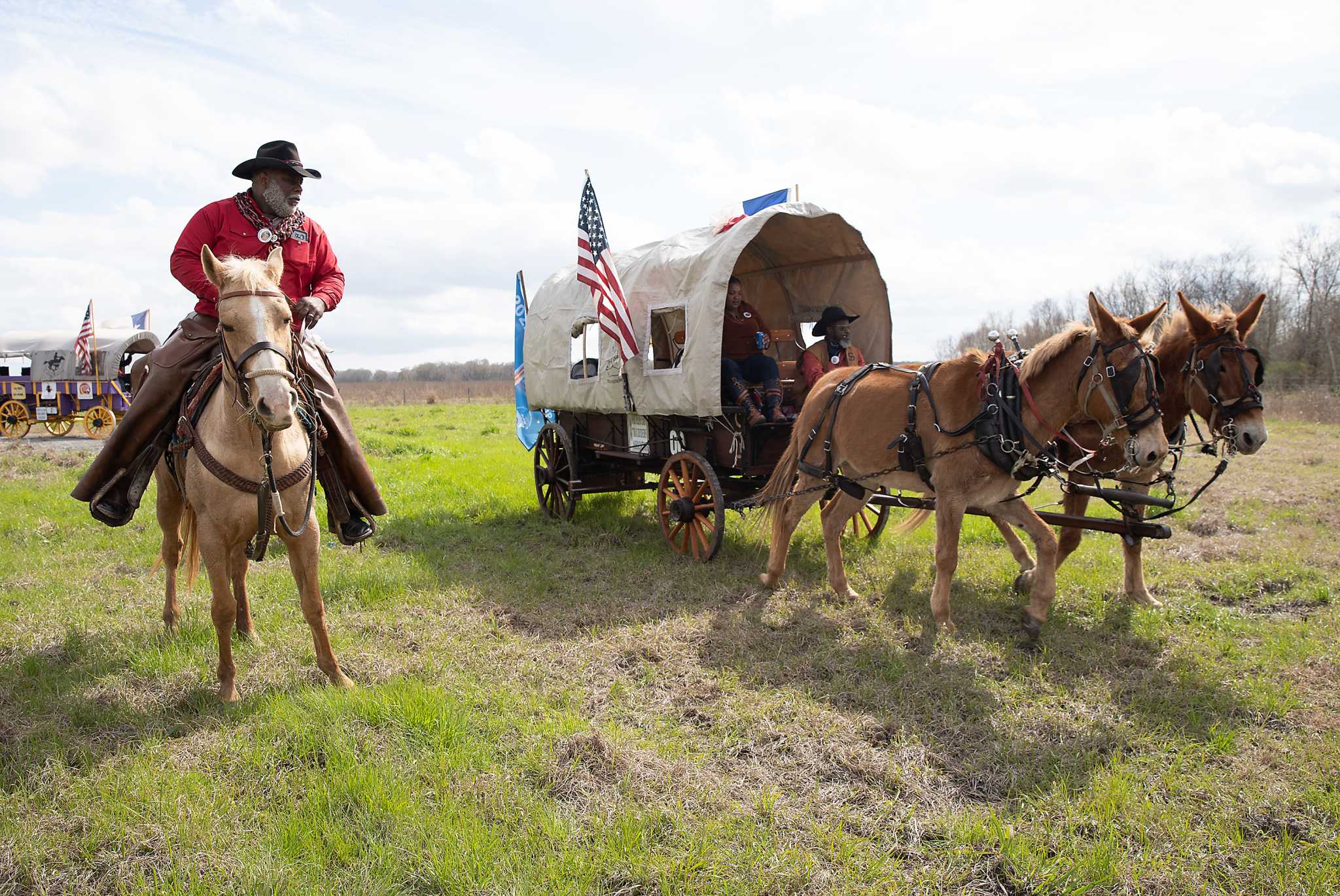
While Rubio’s narrative paints a tidy picture of cowboy origins, a different story emerges when we delve into the experiences of those who have lived the cowboy life. In Houston, a gathering of local historians and cultural experts, including Larry Callies, the founder of the Black Cowboy Museum, and Anthony Bruno, trail boss of the Northeastern Trail Riders Association, offered a more nuanced view. They emphasized the significant role that Black cowboys and cowgirls have played in shaping cowboy culture, a fact often overlooked in mainstream narratives.
The Legacy of Black Cowboys
Larry Callies passionately recounts the history of the term “cowboy,” revealing its roots in the lives of enslaved Africans who worked on ranches. According to Callies, the term was originally used to describe Black men who tended cattle, a stark contrast to the more romanticized image of the cowboy that emerged in Hollywood. This history is not merely a footnote; it is a vital part of the cowboy narrative that deserves recognition and respect.
Cultural Exchange and Adaptation
The cowboy is not merely an import from Europe; rather, he is a unique adaptation of various cultural influences. The blending of Spanish, Mexican, African, and Indigenous traditions has created a distinct cowboy identity that reflects the diverse heritage of the American West. This cultural exchange is evident in the practices, attire, and even the cattle breeds that have become synonymous with cowboy culture.
The Modern Cowboy Experience
As Houston enters rodeo season, the significance of the cowboy identity becomes even more pronounced. Events like the Houston Livestock Show and Rodeo serve as a reminder of the ongoing legacy of cowboys from all backgrounds. Trail riders, including those from the Northeastern Trail Riders Association, continue to celebrate this rich heritage, showcasing the collaborative spirit that defined the early cattle drives.
The Importance of Representation
The conversations happening in Houston highlight the importance of representation in understanding cowboy culture. Many attendees at local discussions were surprised to learn about the integral role of Black cowboys in history and their continued presence in modern rodeo culture. This newfound awareness fosters a sense of pride and connection to a shared history that is often overlooked.
The Complexity of Identity
Rubio’s speech, while emphasizing a singular narrative of cowboy origins, inadvertently underscores the complexity of American identity. The cowboy is a symbol of resilience and adaptability, embodying the diverse influences that have shaped the nation. The stories of cowboys from various backgrounds remind us that American history is not a straight line but a rich tapestry woven from countless threads.
A Call for Inclusivity
As we reflect on the cowboy’s legacy, it is essential to embrace the full spectrum of stories that contribute to this iconic figure. The cowboy is not just a symbol of Western civilization; he is a representation of cultural transformation and exchange. By acknowledging the contributions of all cultures, we can foster a more inclusive understanding of what it means to be a cowboy in America.
The Invitation to Share Stories
The invitation stands for all to gather around the metaphorical campfire of Texas, to share and listen to the myriad stories that define cowboy culture. Whether you are a cowboy, a historian, or simply someone interested in the rich heritage of the American West, there is a place for you in this ongoing narrative. The cowboy’s story is not just about cattle and rodeos; it is about the people, the cultures, and the shared experiences that have shaped a unique American identity.