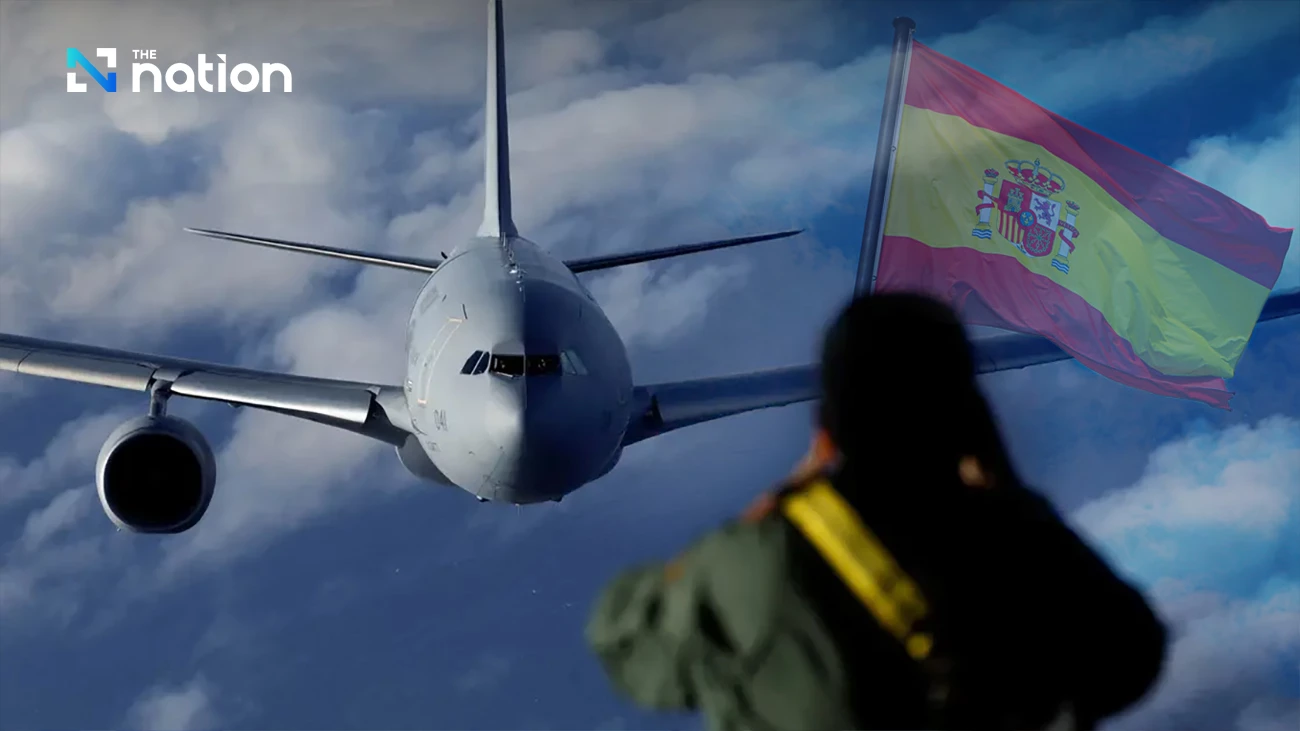
Spain’s Stance on U.S. Military Operations Related to Iran
On March 30, 2023, Spain made a significant announcement regarding its military cooperation with the United States, particularly in relation to the ongoing tensions surrounding Iran. Defence Minister Margarita Robles confirmed that Spain would not permit the use of its airspace or its jointly operated military bases for U.S. operations linked to the conflict in Iran. This decision marks a notable shift in Spain’s military policy and reflects the complexities of international relations in the region.
The Context of the Decision
The backdrop to Spain’s announcement is the escalating conflict in Iran, which has drawn international attention and concern. As tensions rise, various nations are reassessing their military alliances and the extent of their involvement in global conflicts. Spain’s decision appears to be a response to both domestic and international pressures, as the country navigates its role within NATO and its relationships with other member states.
Details of the Announcement
During a press conference in Madrid, Defence Minister Robles emphasized that Spain would not authorize the use of its military bases or airspace for any operations related to the Iranian conflict. This statement was first reported by the Spanish newspaper El País, which cited military sources to underscore the seriousness of the decision. The implications are significant: military aircraft heading towards targets in the Middle East will need to reroute, avoiding Spanish territory altogether.
Implications for NATO and Military Operations
Spain’s decision has immediate ramifications for NATO operations. As a member of the alliance, Spain’s military infrastructure is often utilized for various missions, including those led by the United States. By restricting access to its airspace and bases, Spain is effectively altering the operational landscape for NATO forces. However, it is important to note that emergency situations will still be exempt from this restriction, allowing for some flexibility in urgent cases.
Domestic Reactions and Political Considerations
The announcement has sparked discussions within Spain about the country’s military commitments and its stance on international conflicts. Some political analysts suggest that this move may resonate with a segment of the Spanish population that is wary of military interventions abroad. The decision could be seen as a reflection of Spain’s desire to assert its sovereignty and prioritize national interests over external pressures.
The Broader International Landscape
Spain’s stance is not occurring in isolation. Other countries are also reevaluating their military partnerships and the extent of their involvement in conflicts that do not directly threaten their national security. This trend highlights a growing sentiment among nations to prioritize diplomatic solutions over military interventions, particularly in volatile regions like the Middle East.
Future Considerations
As the situation in Iran continues to evolve, Spain’s decision may set a precedent for other nations grappling with similar dilemmas. The balance between military cooperation and national sovereignty is delicate, and Spain’s actions could influence how other NATO members approach their military commitments in the future. The international community will be watching closely to see how this decision impacts not only Spain’s relationships with the U.S. and NATO but also the broader geopolitical landscape.
In summary, Spain’s recent announcement regarding its military cooperation with the United States reflects a complex interplay of national interests, international relations, and evolving military strategies. As the situation develops, it will be crucial to monitor how this decision shapes future military operations and diplomatic efforts in the region.

