Riu Hotels: Navigating Legal Challenges in Fuerteventura
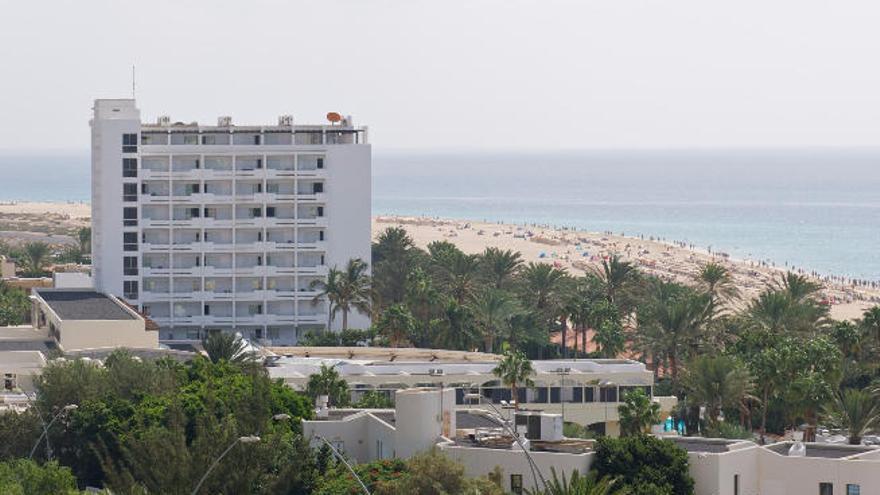
Riu Hotels is currently in negotiations with authorities in Fuerteventura and the Canary Islands to secure the future of its two hotels on the island, namely Hotel Tres Islas and Hotel Oliva Beach. These establishments are now under threat due to a court ruling that mandates their demolition for violations of the current Coastal Law, a situation that arose after the administrative concession for their operation was granted. The pressure is on as both hotels occupy a prime location within the Natural Park of Corralejo Dunes, a region renowned for its stunning landscapes.
The Context of the Dispute
The ongoing legal situation stemmed from a broader interpretation of coastal regulations, which aim to protect natural environments from overdevelopment. When Riu Hotels signed its concession more than 30 years ago, the landscape and legal framework were markedly different. However, as environmental concerns have gained prominence, the need for compliance with the current regulations has become more pressing for the hotelier.
Riu’s CEO, Carmen Riu, has been actively engaging with regional authorities, including the Cabildo of Fuerteventura and the Directorate General of Coasts. Local media outlets reported that initial discussions wrapped up recently, but sources from both Riu and the Cabildo have indicated that a final agreement has yet to materialize, suggesting that negotiations could extend over a longer period.
Potential Solution: The Island of Lobos
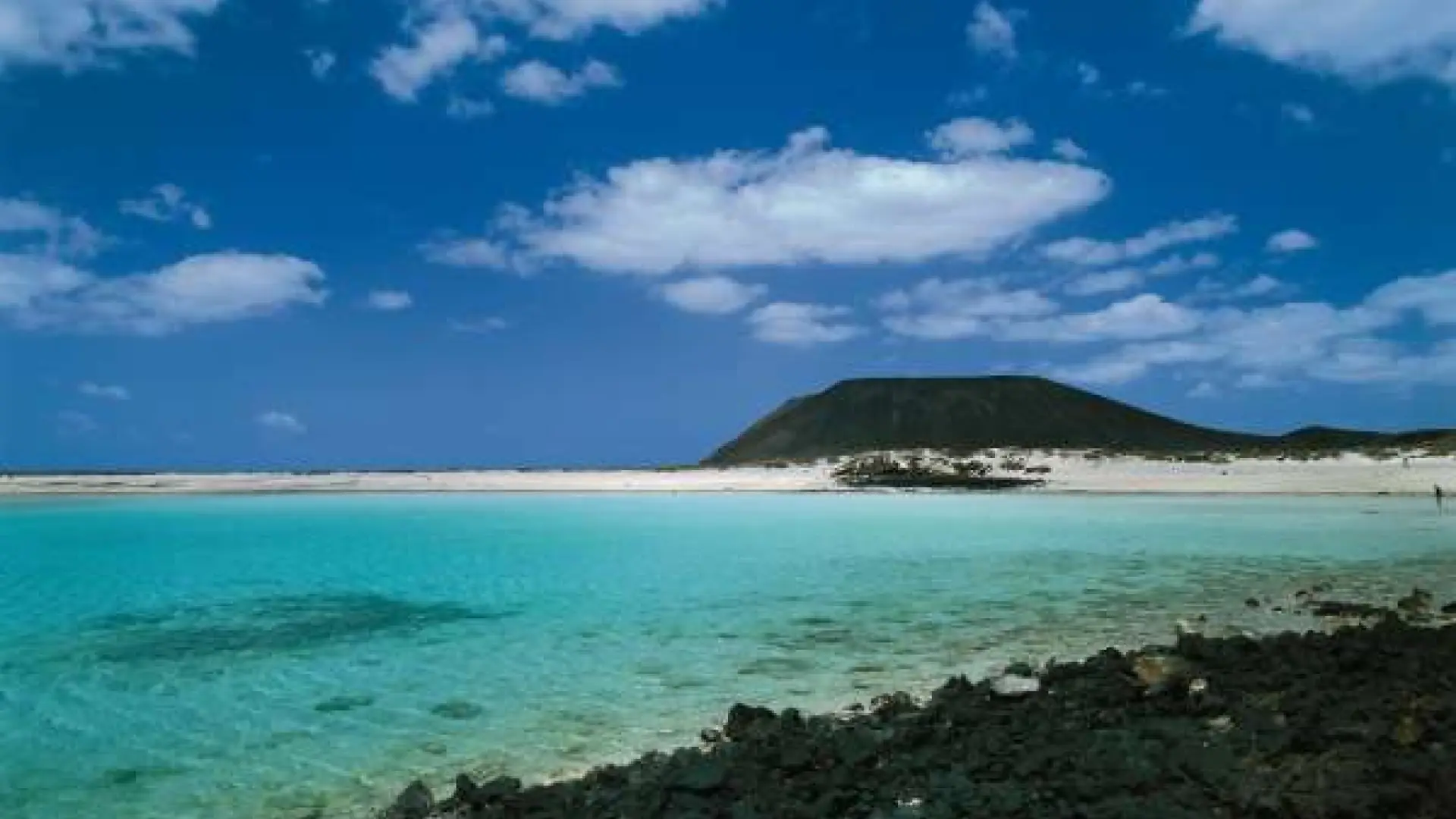
One of the most discussed proposals in these negotiations involves Riu Hotels potentially transferring ownership of the Isla de Lobos to the state. This small island, just 5 square kilometers in size and located directly off the coast of Fuerteventura, has been in Riu’s possession for over three decades. If Riu agrees to this cession, authorities may offer an extension of the concessions for both hotels: a 30-year extension for Hotel Tres Islas and a 10-year extension for Hotel Oliva Beach, which underwent renovations just a year ago.
This potential trade-off highlights the balancing act involved in the negotiations. While Riu seeks to ensure the sustainability of its operations, the local government aims to uphold environmental regulations and protect natural landscapes.
Job Security and Future Prospects
Notably, the outcome of this negotiation carries significant implications for local employment, with around 1,000 jobs linked to the operations of these hotels. A closure would not only impact the workforce directly but would also affect numerous businesses and suppliers that rely on hotel operations for their livelihoods. To mitigate this potential upheaval, authorities have suggested alternative hotel locations for Riu to consider. This offer aims to ensure that the company’s exit from Tres Islas and Oliva Beach won’t lead to a complete withdrawal from the area.
Riu Hotels’ Stance and the Road Ahead
Riu Hotels has expressed awareness of the complexity involved in these negotiations. The company has indicated that while discussions are ongoing, they expect the process to be “complicated and lengthy.” Various scenarios are being explored, reflecting the need for a delicate balance between regulatory compliance, environmental stewardship, and economic viability.
As talks continue, the dynamics between business interests and environmental legislation are brought sharply into focus, raising broader questions about sustainable tourism in fragile ecosystems. The outcome of this negotiation could shape not only Riu’s future in Fuerteventura but also serve as a precedent for how similar situations are handled elsewhere in the Canary Islands and beyond.