Saving the Hawaiian Monk Seal: Insights from NOAA’s Jason Baker
A Visit to Fuerteventura
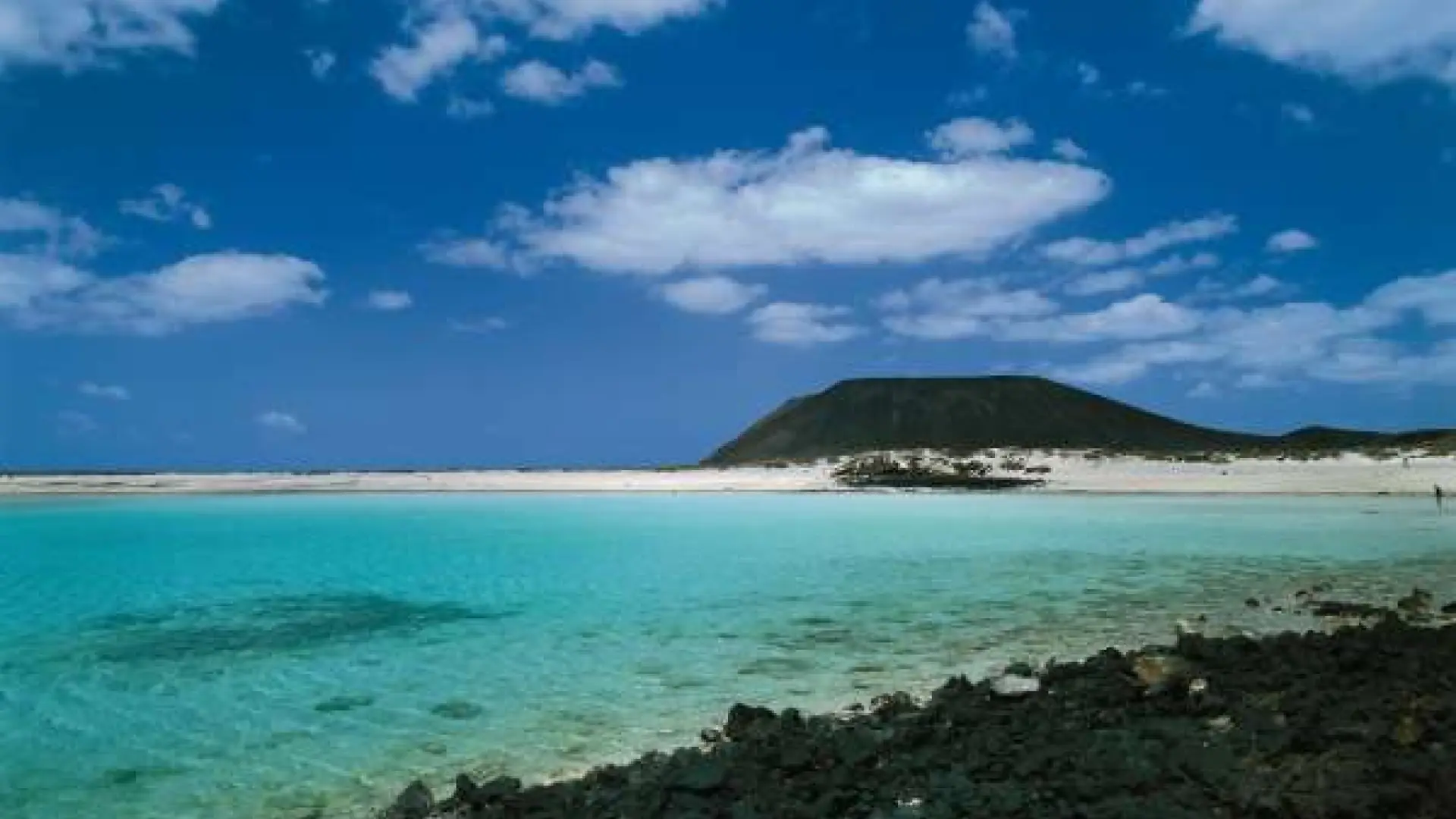
Jason Baker, an esteemed researcher with the National Oceanic and Atmospheric Administration (NOAA), has recently returned from a remarkable visit to Fuerteventura, one of the Canary Islands. His journey was not just a casual excursion; it was a pivotal moment in his ongoing work within the Hawaiian Monk Seal Research Program. Baker was struck by the similarities between Fuerteventura and the lush islands of Polynesia, further fueling his passion for marine conservation.
The Journey of the Hawaiian Monk Seal
Baker has devoted years to studying the Hawaiian monk seal (Neomonachus schauinslandi), a species teetering on the brink of extinction. His dedication culminated in a pioneering relocation project aimed at revitalizing the monk seal population in Hawaii. This initiative may well serve as a blueprint for restoring the monk seal population in the Mediterranean, especially in areas historically known as the abode of these charming marine mammals.
Addressing Fishermen’s Concerns
One of the initial hurdles faced by Baker and his team was the apprehension expressed by fishermen in Hawaii regarding the monk seals. Many were concerned that the seals would compete for fish, impacting their livelihoods. However, Baker and his colleagues undertook comprehensive studies demonstrating that monk seals consumed an insignificant portion of the total fish available in the ecosystem. By using video surveillance, they monitored the feeding behaviors of the seals and found that their dietary preferences didn’t overlap significantly with commercial fish stocks. This data was crucial in alleviating fishermen’s fears, empowering them to support rather than resist the conservation efforts.
The Role of Data in Conservation
Baker’s work goes beyond just understanding fish consumption. He is deeply involved in demographic studies of monk seals across various Hawaiian islands. His research assesses population health and identifies potential individuals for relocation to bolster struggling colonies. His team has conducted extensive demographic studies, most notably in Cabo Blanco, Mauritania, which could inform similar initiatives in Fuerteventura. They concluded that up to 36 monk seals could be safely relocated over a decade without jeopardizing local populations.
The Rationale Behind Relocations
The motivations for relocating animals are multifaceted and generally focus on improving the survival odds for seals. Predation by sharks, food scarcity, and skewed sex ratios in specific colonies are among the prominent reasons for such actions. Relocation also serves to mitigate problematic behavior among seals, ensuring a healthier population dynamic.
Hope for the Atlantic Monk Seal
Baker’s optimism for the potential reestablishment of the monk seal in the Atlantic, particularly in the Canary Islands, is palpable. He believes that given the right conditions and widespread support, it is entirely feasible for the species to thrive in these waters once more. The historical context of monk seals in the region adds an emotional layer to the conservation narrative; they were nearly wiped out by human activity, but a concerted effort could see them return.
Learning from Experiences
The recovery program for the Hawaiian monk seal offers valuable lessons not just for Hawaii but for similar initiatives worldwide. One of the key takeaways is the importance of public education and communication. Engaging the community in awareness and stewardship efforts has proven vital in reducing threats to the species. In Hawaii, volunteers play an essential role in protecting seals, especially mothers with pups, by keeping curious tourists at a respectful distance.
Future Directions
Baker and his team have their sights set on several key objectives for the coming years. Preventing monk seals from becoming habituated to human presence is of utmost importance. Tools and procedures are being developed to manage individual behavior, incorporating educational initiatives to foster community awareness.
A Comparative Lens
The Hawaiian monk seal was listed as endangered in the U.S. on November 23, 1976. NOAA formulated a recovery plan in 2007 aimed at ensuring the long-term viability of the species in the wild. After years of dedicated work, there are hopeful signs for future success, showcasing the blended efforts of various organizations and researchers committed to saving this unique mammal from extinction.
In conclusion, the work of Jason Baker epitomizes the intersection of scientific research, community engagement, and the hope of revitalizing a once-thriving species within a delicate ecosystem. His experiences in Hawaii and potential insights for the Canary Islands paint a promising picture for marine conservation efforts worldwide.