
This initiative is part of the Territorial Plan for Sustainable Tourism of the Canary Islands, funded by the European Union through the Next Generation EU funds.
<p><li class="texto"><i class="fa fa-file-text-o"/> Article by NoticiasFuerteventura</li></p>

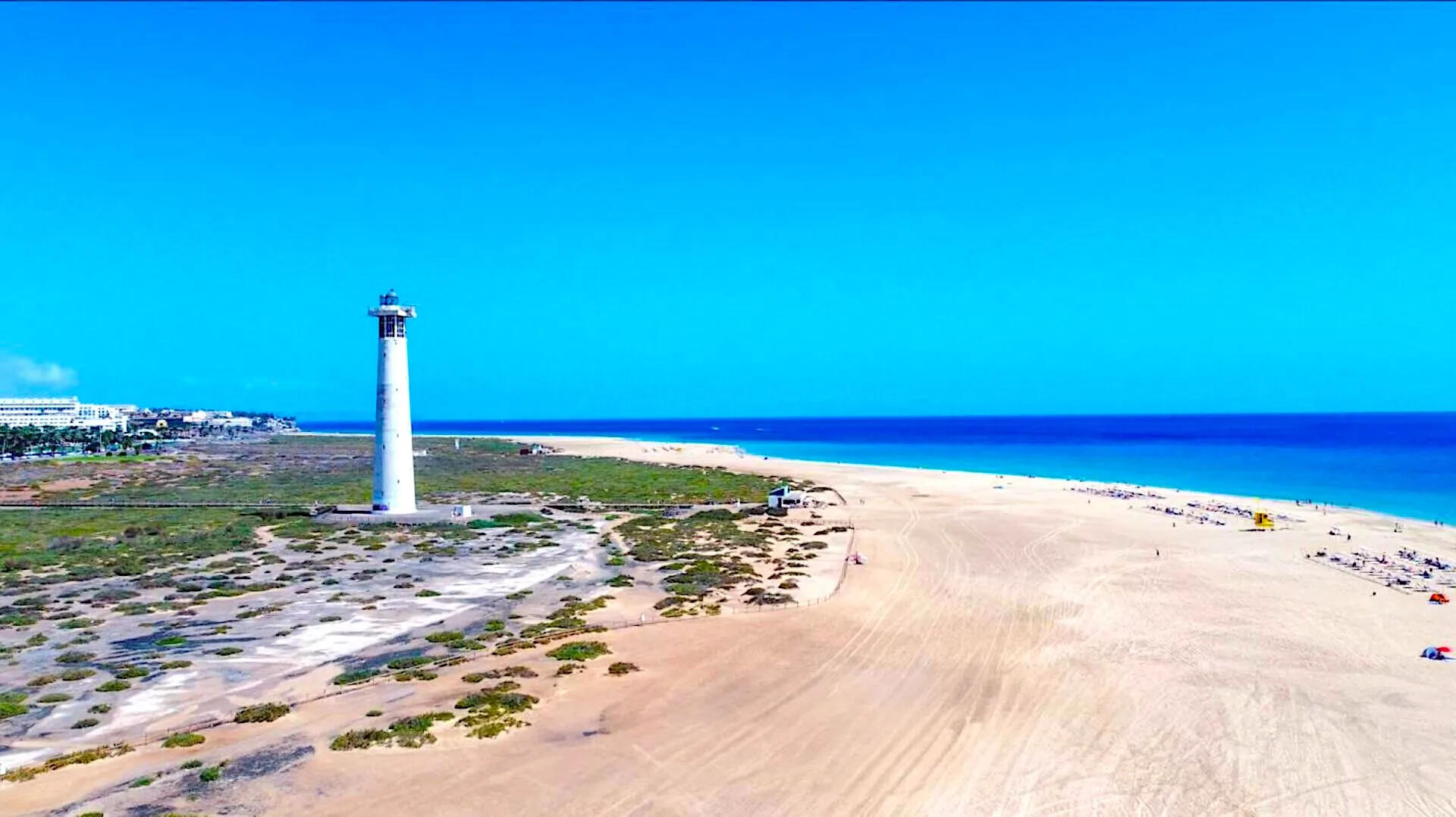
<p style="text-align: justify;">The Ministry of Tourism and Employment of the Government of the Canary Islands has granted a direct subsidy of €249,815 to the Cabildo of Fuerteventura. This funding is designated for the project titled 'Naturalization of the Jandía Saladar' in the municipality of Pájara.</p>

<p style="text-align: justify;">In a recent announcement, the regional government elaborated that this project aligns with the Territorial Plan for Sustainable Tourism in the Canary Islands, supported by the European Union through their Next Generation EU funds.</p>

<p style="text-align: justify;">This initiative, positioned within the Recovery, Transformation, and Resilience Plan, aims to strategically transition the tourism model towards sustainability.</p>

<p style="text-align: justify;">Jessica de León, the Minister of Tourism and Employment, commented, "We manage not only hotels and airports; our priority is to foster a cross-cutting approach that protects our natural landscapes and spaces." She emphasized that “this intervention addresses the need to renew and add value to the most iconic areas of the islands," further noting that "the renaturalization of this space will strengthen the resilience of our coastline."</p>

<p style="text-align: justify;">Additionally, the minister pointed out that “this project not only enhances the natural appeal of the saladar but also increases social awareness about the importance of conserving our ecosystems." </p>

<p style="text-align: justify;">Lola García, President of the Cabildo of Fuerteventura, expressed her support for this initiative, which "fits into a collaborative effort between administrations to promote investments aimed at protecting the territory and improving high-value environmental spaces like the Jandía Saladar." </p>

<p style="text-align: justify;">She elaborated on the existing conservation work carried out in the region, including enhancements to fencing, walkways, and protective elements. "This new intervention continues the previous work and contributes to reinforcing the sustainability of our coastline," she assured.</p>

<p style="text-align: justify;">Alejandro Jorge, the Mayor of Pájara, praised the initiative as "great news," emphasizing the importance of collaborative efforts among institutions to maximize available economic and logistical resources.</p>

<p style="text-align: justify;">"The Jandía Saladar is a natural and scenic emblem of southern Fuerteventura, and its conservation is vital. We appreciate the commitment from the Government of the Canary Islands and the Cabildo to continue working in this direction," Jorge added.</p>

<p style="text-align: justify;"><strong>ECOLOGICAL RECOVERY OF A PROTECTED AREA</strong></p>

<p style="text-align: justify;">The renaturalization of the Jandía Saladar focuses on the ecological recovery of a protected area by removing outdated infrastructure and restoring the original geomorphology of the land.</p>

<p style="text-align: justify;">The project will unfold in four execution phases. The first phase involves dismantling and removing the old wastewater treatment plant, which is in ruins and incompatible with the conservation standards for the space.</p>

<p style="text-align: justify;">The second phase will see the removal of the current fill to recover the natural level of the saladar, lowering the current platform from +3.40 meters to +2.50 meters while ensuring the protection of existing vegetation roots below.</p>

<p style="text-align: justify;">The third step will involve environmental treatment, rehabilitating an area exceeding 9,000 square meters. The project plans to use filtered earth from a dig to profile the terrain and create a protective slope.</p>

<p style="text-align: justify;">Lastly, the final phase will focus on landscape integration. Planned actions include planting native vegetation at the base of the slope.</p>

<p style="text-align: justify;">The aim is to plant 104 specimens of indigenous species in a random distribution, avoiding any geometric patterns. Selected species for planting include *Chenoleoides tomentosa* (algoera), *Salsola vermiculata* (matabrusca), *Tetraena fontanesii* (uva de mar), and three specimens of *Tamarix canariensis* (tarajal).</p>

<p style="text-align: justify;">The Ministry has reported that the recovery efforts for the Jandía Saladar are scheduled to be completed by June 30, 2026.</p>