Revitalizing Natural Treasures: The Restoration of Saladar de Jandía in Fuerteventura
A Commitment to Nature
In a significant move for environmental conservation, the Canary Islands’ government has earmarked €249,815 from the EU’s Next Generation funds for the ambitious “Naturalization of Saladar de Jandía” project. This initiative aims to restore one of the region’s largest and most important wetlands, showcasing a commitment not only to tourism but also to ecological sustainability.
Key Figures Behind the Project
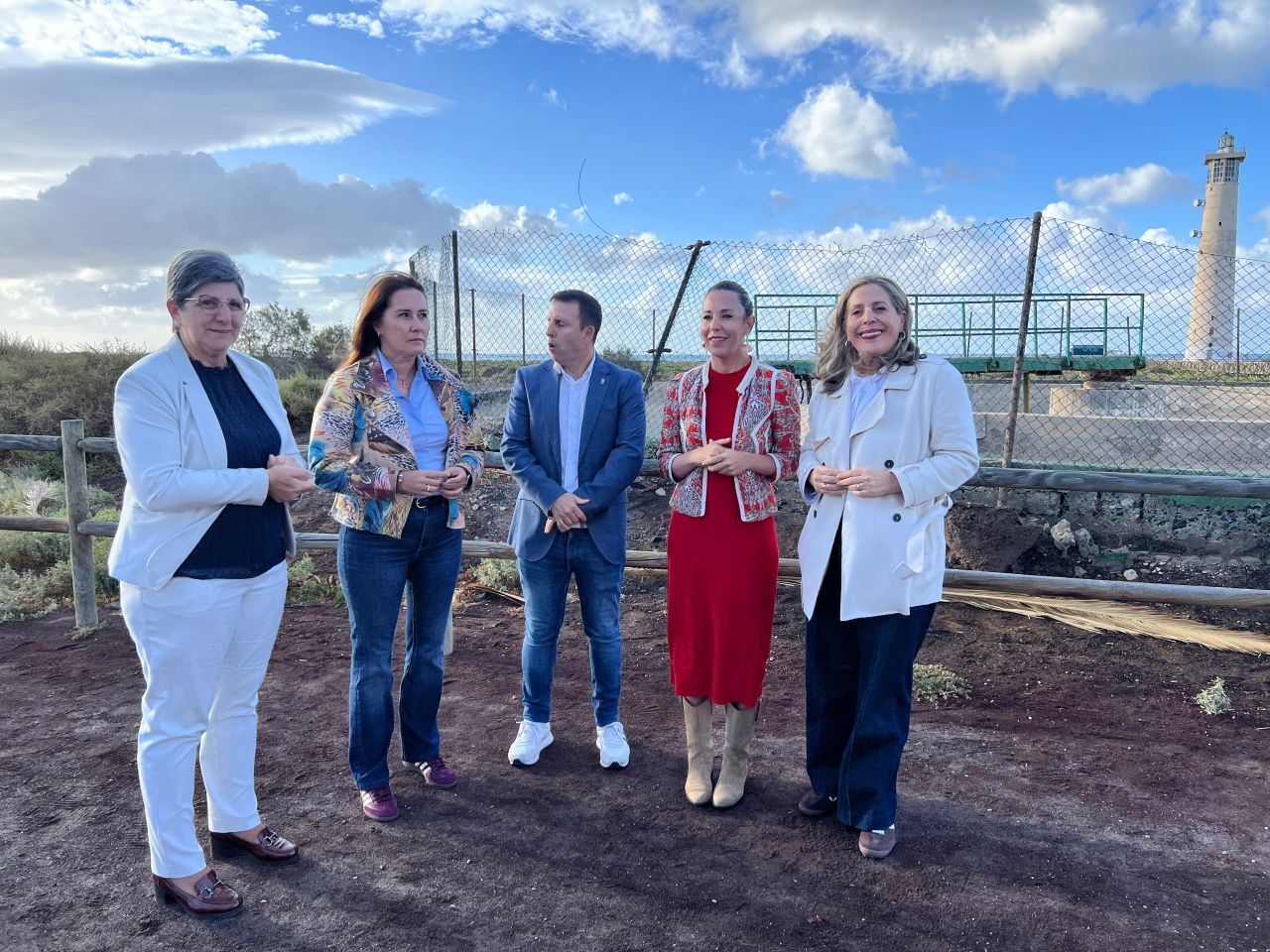
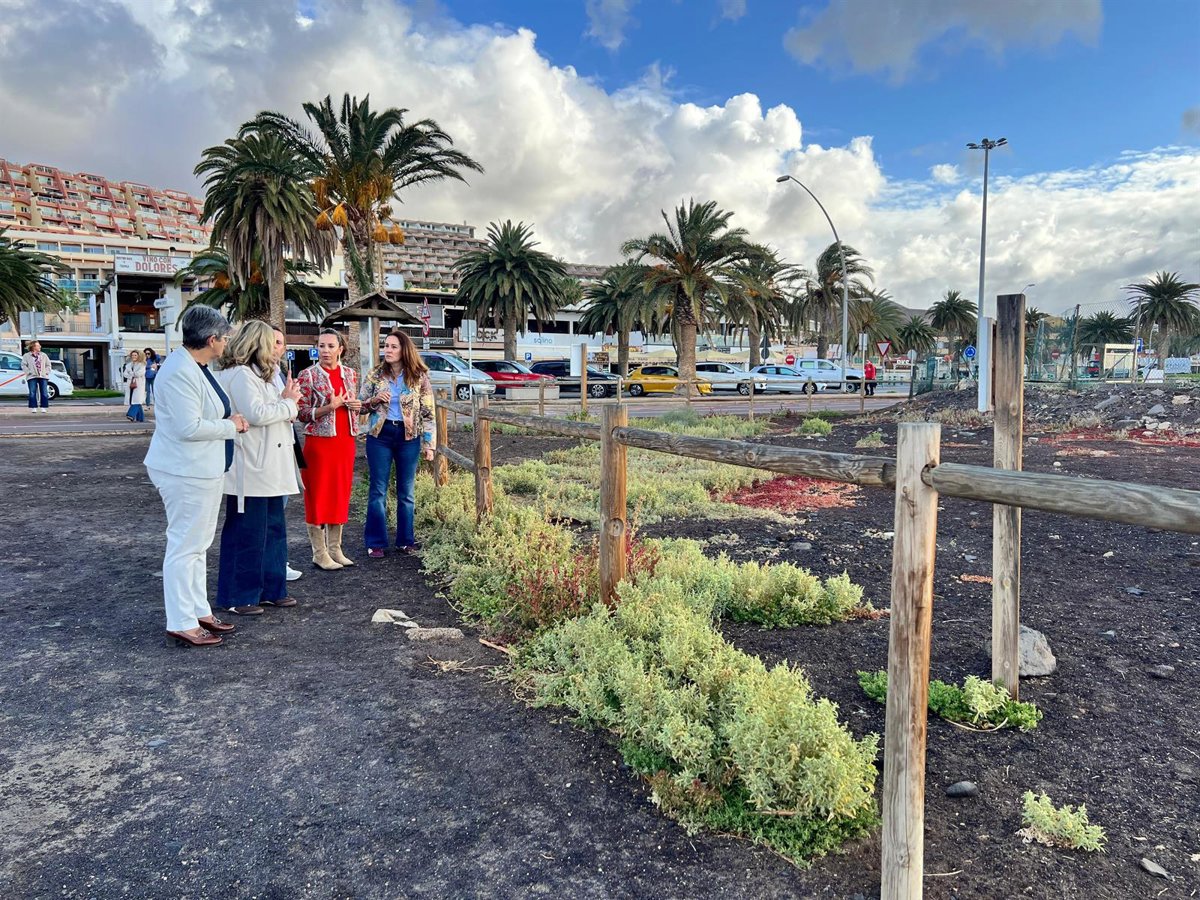
On a recent visit to the site, Jéssica de León, the Canarian Minister of Tourism and Employment, was joined by key stakeholders including Lola García, president of the Cabildo de Fuerteventura, and Marlene Figueroa, the island’s tourism minister. Their presence underscores the collaborative effort required to breathe new life into this vital ecosystem.
What is Saladar de Jandía?
Saladar de Jandía, located on the island of Fuerteventura, has been adversely affected by human activities. Covering an area of over 9,000 square meters, this wetland is not only an essential habitat for various flora and fauna but also a crucial element of Canarian natural heritage.
The Urgency of Restoration
The project will tackle immediate ecological challenges, including the removal of obsolete infrastructure such as an old wastewater treatment plant. This step is critical, as restoring the geomorphology of the area will help rejuvenate its natural features and restore its genuine beauty.
A New Vision for Tourism
Jéssica de León emphasized a paradigm shift in tourism, moving away from the traditional “sun and sand” model to one that prioritizes natural surroundings. “This intervention is not just about restoration; it’s about reviving the area’s historical and ecological value,” she remarked, emphasizing the importance of preserving unique landscapes like Saladar de Jandía.
The Local Perspective
Lola García expressed the necessity of the project, stating, “Our goal is clear: to enhance an area of immense ecological value.” By aligning tourism development with environmental protection, they aim to maintain the natural beauty that defines Fuerteventura.
Marlene Figueroa further noted, “This kind of action highlights our vision for sustainable tourism.” The “Fuerte por naturaleza” initiative aims to uplift not only the destination’s image but also the quality of life for its residents.
Collaborative Efforts
The mayor of Pájara, Alejandro Jorge, reinforced the significance of collaboration among local government, the Canarian government, and the Cabildo. This partnership will ensure that measurable actions benefit the community while enhancing the area’s attractiveness for visitors.
Phases of the Restoration
The “Naturalization of Saladar de Jandía” project is meticulously divided into four distinct phases:
-
Removal of Old Infrastructure: The first phase focuses on dismantling and removing the old wastewater treatment plant, which is incompatible with conservation efforts.
-
Site Preparation: The second phase involves the removal of current fill, which will restore the original topography of the wetland, lowering the ground level from the current height of 3.4 meters to its natural height of 2.5 meters. There will be careful monitoring to protect existing vegetation during this process.
-
Area Rehabilitation: In the third phase, the area will be rehabilitated using screened excavation material to reshape the terrain and create protective slopes.
-
Landscape Integration: Finally, the fourth phase will focus on integrating the landscape by planting 104 native species, including Chenoleoides tomentosa (algoera) and Salsola vermiculata (matabrusca), along with three specimens of Tamarix canariensis (tarajal). This planting is designed to restore the natural biodiversity of the saladar.
Preserving a Natural Legacy
As the restoration initiatives progress, there is a growing awareness of the profound interconnection between tourism and environmental sustainability. The efforts at Saladar de Jandía serve to highlight not just a commitment to ecological restoration, but also the understanding that a healthy environment is fundamental to the future of tourism in Fuerteventura. The careful planning and execution of such projects can ensure that natural treasures are preserved for future generations while simultaneously enriching the local community.