“Naturalization of the Saladar de Jandía”: Reviving a Valuable Ecosystem
Introduction to the Project
The “Naturalization of the Saladar de Jandía” project, backed by a budget of €249,815, aims to restore the ecological integrity of a unique habitat previously occupied by an old wastewater treatment plant. The initiative seeks to demolish the existing infrastructure, rehabilitate the land, and promote the environmental recovery of this protected area, which is of significant ecological importance.
Collaboration for a Common Goal
In a refreshing example of bipartisan cooperation, the Pájara Town Council and the Cabildo of Fuerteventura have collaborated closely to address the complex needs of the Saladar de Jandía. This area, under the protection of environmental regulations, required a concerted effort to manage its ecological integrity effectively, especially amid regional development pressures from the nearby tourist zones, including Morro Jable. Their joint efforts have received vital support from the Government of the Canary Islands to facilitate the removal of the aging wastewater treatment facility.
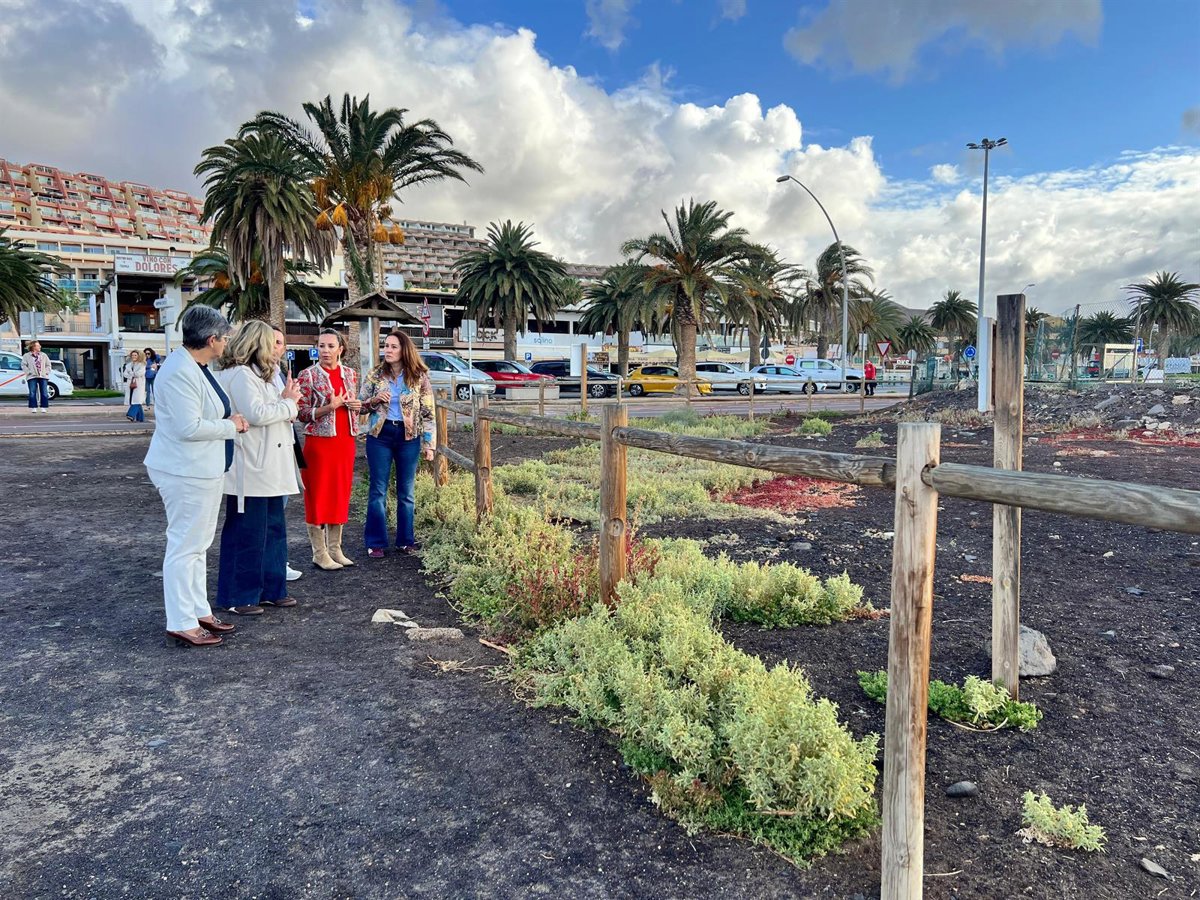
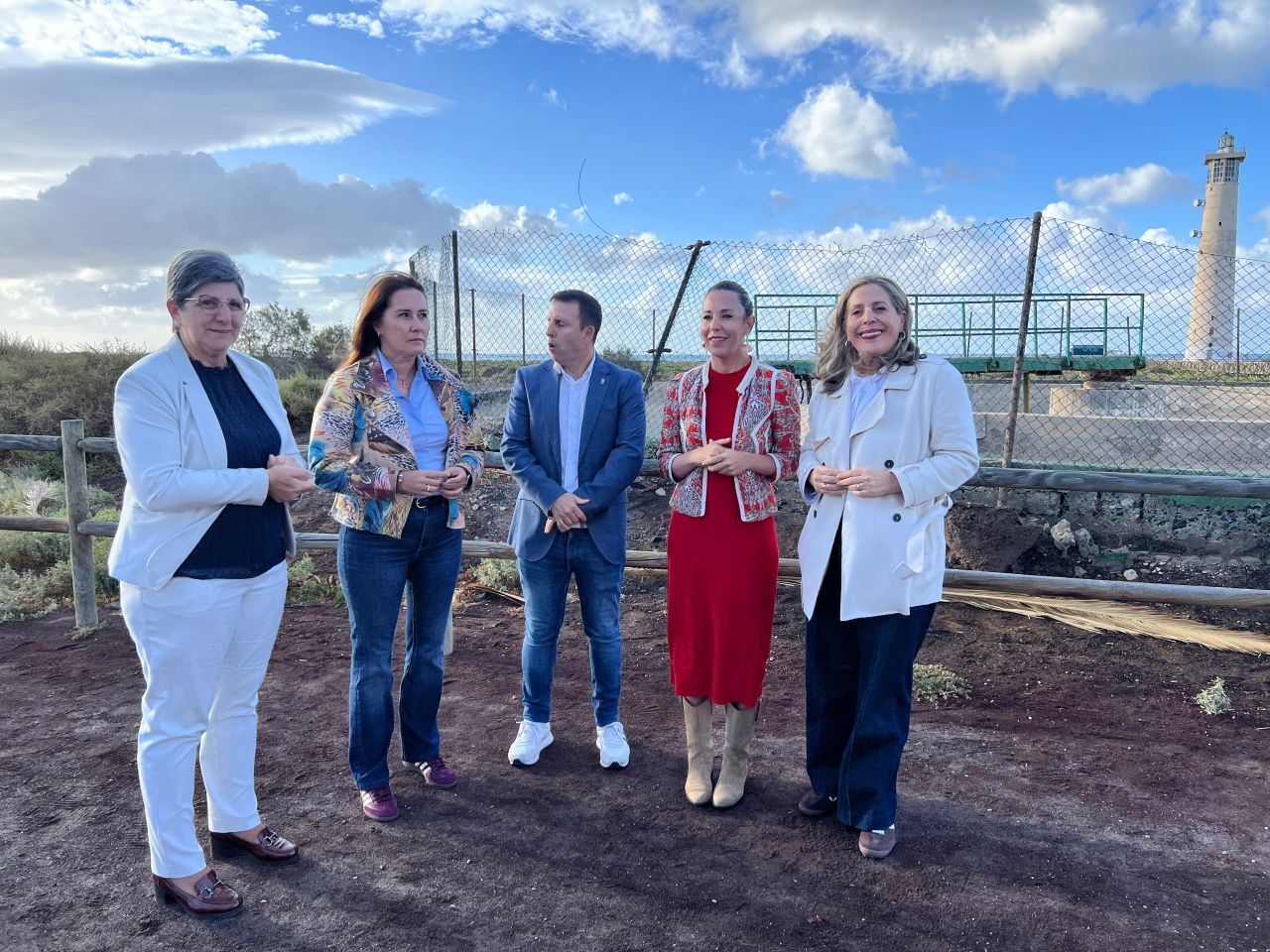
Visible at the project announcement were three key political figures: Lola García from Coalición Canaria (CC), Alejandro Jorge of the Socialist Party (PSOE), and Jéssica de León from the Popular Party (PP). Together, they highlighted the support from the Regional Ministry of Tourism toward rejuvenating the Saladar, a site that holds significant ecological and cultural value.
The Vision Behind the Restoration
The “Naturalization of the Saladar de Jandía” is not merely about the demolition of an outdated facility; it’s about restoring the natural landscape over an area of approximately 9,000 square meters. This ambitious plan comes to fruition after years of collaboration between the Cabildo and the Pájara Town Hall, with permissions from coastal authorities finally being granted.
The ecological restoration process will involve dismantling the dilapidated treatment plant and reconstructing the geomorphology of the land. The current elevation will be brought down from 3.4 meters to its natural 2.5 meters, ensuring that the indigenous flora and fauna can flourish once again.
Steps in the Restoration Process
The restoration project will be executed in several phases:
-
Demolition and Clearing: The first step will involve dismantling the treatment plant and clearing the site. Special care will be taken to protect the roots of the existing vegetation beneath the rubble, ensuring that the local ecosystem remains intact.
-
Land Rehabilitation: After removing the infrastructure, the area will be filled with sifted earth from nearby excavation sites. This will reshape the terrain and create a protective slope.
-
Landscaping: The final phase will involve planting 104 native plant species, such as algoera, matabrusca, uva de mar, and three tarajales, at the base of the slope. This will help further integrate the landscape and restore its natural beauty.
Institutional Collaboration and Funding
The financial backing for this project is comprised of funds from the “Next Generation EU” initiative, contributing vital resources for renovations that aim to sustain and nurture natural environments. Politicians, including Tourism and Employment Minister Jéssica de León, emphasized the interconnectedness between tourism, ecological preservation, and community identity.
De León articulated, “Our vision of tourism has evolved; no longer do we comprehend the classic model of sun and beach alone, but instead prioritize the natural environment and cultural identity.” This forward-thinking attitude marks a shift towards sustainable tourism practices.
Reaffirming Commitment to Environmental Recovery
Lola García, President of the Cabildo, reiterated that the primary goal of initiating this project is to enhance a region of immense ecological worth. She believes these efforts reflect a model of an island where tourism development coexists with environmental conservation. “The joint efforts of the Government of the Canary Islands and the local council demonstrate how administrations can work together towards restoring natural spaces,” she noted.
Meanwhile, Marlene Figueroa, the insular Tourism Minister, highlighted that such projects do not merely enhance the destination’s attractiveness; they also positively impact the local environment and community well-being.
Importance for Local Communities
Alejandro Jorge, Mayor of Pájara, emphasized the importance of inter-institutional cooperation to achieve shared goals of ecological sustainability. The naturalization of the Saladar de Jandía is projected not only to restore the environment but also to improve the aesthetic appeal of the urban landscape, resonating with the community’s aspirations for a greener, more attractive living environment.
This collaborative effort embodies the broader vision of sustainable development, showcasing how community, environment, and tourism can thrive together, fostering a future where natural treasures like the Saladar de Jandía are cherished and protected for generations to come.