Traditional Craftsmanship in Mourning: The Legacy of Fefita Acosta Rodríguez
Fuerteventura, a gem of the Canary Islands, is currently united in sorrow following the passing of one of its most beloved artisans, Fefita Acosta Rodríguez. Affectionately known as “Fefita,” the renowned potter from Betancuria left this world on a poignant Tuesday night, leaving behind a rich legacy that will resonate within the heart of traditional Canarian pottery and craftsmanship.
A Life Dedicating to Art
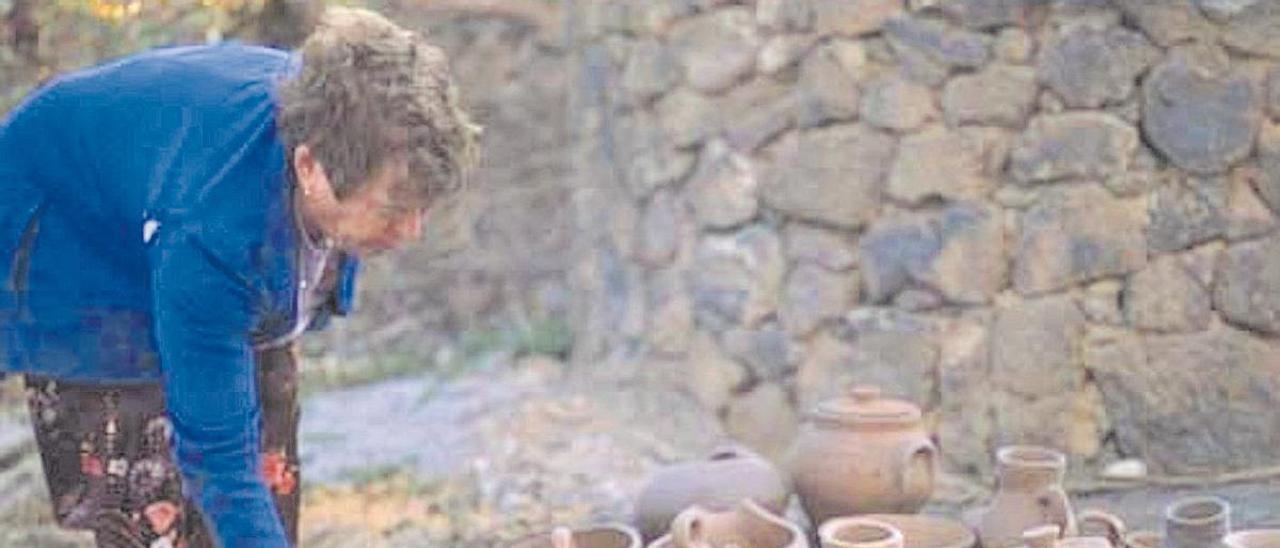
Born in 1936 in the picturesque Valle de Santa Inés, Fefita was deeply intertwined with the traditional ceramics that reflect the island’s history. The craft she practiced was not just an art form but a cultural heritage—one that can be traced back to the indigenous Mahos, who originally utilized clay vessels for domestic purposes. Throughout her nearly fifty years of working with clay, Fefita became a steward of this ancient craft, refining the creation of various pieces, specifically the tofio and hornilla, two traditional pottery forms that showcased her deep understanding and adept manipulation of the material.
Techniques Passed Down Through Generations
Fefita masterfully preserved the techniques passed down from her mother-in-law, Salomé Brito Cardona, the matriarchal figure who initiated her into the wonders of pottery. The intricate methods and time-honored traditions that Fefita employed exemplified the dedication to craftsmanship that characterized her approach. Each piece she made emerged not simply from her hands, but from a lineage of knowledge that celebrated the stories and struggles of her ancestors.
Rooted in Humble Beginnings
Growing up in a humble agricultural family, Fefita was no stranger to hardship. With her parents, José and María, endeavoring tirelessly in the agricultural and pastoral landscapes of a less prosperous Fuerteventura, she learned the values of hard work and resilience early on. This upbringing carved her character, molding not only her future as an artisan but also as a devoted mother and community member. Fefita married Victoriano García Brito and together they raised seven children, fostering a creative lineage that continues to perpetuate her craft.
A Family Legacy
Not only did Fefita shape her own artistic pathway, but she also instilled her love for pottery within her family. Today, her children and grandchildren share in the commitment to preserving traditional Canarian culture, engaging not only in pottery but in music and other artistic expressions native to their heritage. Family members, such as Salomé, an artisan at the Ecomuseum La Alcogida, have been at the forefront of initiatives to recover traditional dances and songs, ensuring that the cultural tapestry of Fuerteventura remains vibrant and alive.
Influencing Future Generations
Fefita’s influence extends beyond her family. Her craftsmanship earned her significant recognition in the Canarian arts scene. In 1999, she was honored with the Insular Artisan Award, a testament to her impact and an acknowledgment of her role as a cultural ambassador. Her contributions have left an indelible mark, not only in the realm of pottery but in the broader scope of traditional craftsmanship within the Canary Islands.
Tributes Pour In
As the community grieves, heartfelt tributes to Fefita have emerged from various corners. Fellow artisans, friends, and admirers echo the sentiment that her passing signifies a profound loss. She was more than just an artisan; she was a pillar of wisdom and inspiration, admired for her dedication not only to her craft but also to the nurturing of artistic spirit across generations.
Commemorating an Icon
Fefita Acosta’s funeral was a moment of collective mourning, held in the graveyard of Betancuria, the very place that held so many memories of her life. As her loved ones bid farewell, the community reflected on the invaluable lessons she imparted through her work, the love she poured into her art, and the depths of her commitment to preserving the essence of Fuerteventura’s rich cultural heritage.
Fefita’s legacy is a reminder of the profound connection between art and culture, showcasing how traditional craftsmanship can carry the weight of history while also serving as a vital part of community identity. Through each pot and basket she crafted, Fefita Acosta Rodríguez will forever remain a vital part of the narrative of Fuerteventura, illuminating the path for future artisans to carry on her legacy.