:format(jpg):quality(99):watermark(f.elconfidencial.com/file/bae/eea/fde/baeeeafde1b3229287b0c008f7602058.png,0,275,1)/f.elconfidencial.com/original/13b/c1f/1a9/13bc1f1a9706269f8c7a42d088407887.jpg "Neither La Laguna nor Arucas: The Oldest Town in the Canary Islands That Retains Its Medieval Spirit")
Discovering Betancuria: A Jewel in the Heart of Fuerteventura
Tucked away in the rugged landscape of Fuerteventura, amidst steep canyons and dry hills, lies Betancuria, one of the oldest and most emblematic corners of the Canary Islands. Founded over six centuries ago, this historic town has preserved much of its original spirit, withstanding the test of time and modern transformations.
A Glimpse into History
Established in 1404 by the Norman conquerors Jean de Bethencourt and Gadifer de La Salle, Betancuria emerged during Europe’s early expeditions across the Atlantic. It was intentionally positioned as an inland refuge, providing security against potential maritime attacks. This strategic choice allowed Betancuria to become the first political, administrative, and religious capital of Fuerteventura and an early institutional center of the archipelago.
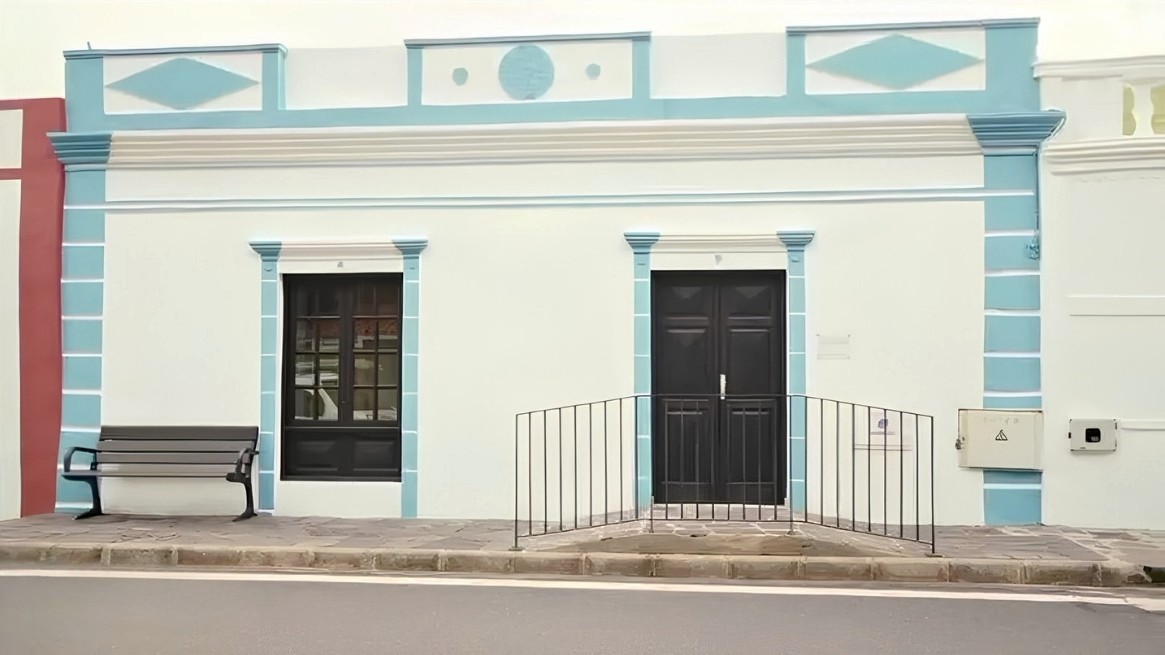
Betancuria’s medieval-inspired urban layout captivates visitors with its winding narrow streets, cobblestone squares, and traditional houses, instantly transporting them to a bygone era.
Heritage and Historical Significance
Among its many monuments, the Iglesia de Santa María de Betancuria stands out. Built in the 15th century, this church was notably reconstructed after a brutal attack by the pirate Xaban Arráez in 1593, as detailed by the Betancuria Town Hall. The ruins of the Franciscan convent of San Buenaventura, another historical treasure, mark one of the earliest religious centers in the archipelago, along with the Museum of Sacred Art, which houses invaluable historical pieces.
For a brief period (1424–1430), Betancuria served as the seat of the Bishopric of Fuerteventura, overseeing the entire archipelago except for Lanzarote. This reinforces its prominence as a religious epicenter during the early stages of colonization. The town also boasted the Castillo de Valtarajal, built to enhance defenses against seaborne raids.
Evolution Through Adversity
Despite its rich history, Betancuria lost its status as the island’s capital in the 19th century, which marked the beginning of its gradual decline. The movement of military and religious power to more accessible areas, such as La Oliva and Pájara, weakened Betancuria’s central role. This decline was exacerbated by factors such as the establishment of new parishes and the rise of coastal communities.
Yet, through historical adversities—including famines, pirate raids, and the loss of political and ecclesiastical influence—Betancuria has managed to retain its unique character. Today, with a modest population of around 800 residents, Betancuria stands as one of the least populated municipalities in the Canary Islands, but it uniquely embodies its historical essence. In fact, it is celebrated as one of the most beautiful towns in Spain, part of a network that recognizes its outstanding architectural heritage and protected natural surroundings within the Betancuria Rural Park.
A Place of Iconic Beauty
The beauty and historical weight of Betancuria continue to draw visitors from around the globe. Recognized for its stunning landscapes and historical depth, the town imparts rich tales of the early European endeavors in the Atlantic. Its architecture and pristine environment narrate stories of resilience, providing a tangible link to a significant chapter in Canary Islands history.
Whether one seeks to stroll through its charming streets, explore its historic buildings, or simply soak in the serene atmosphere, Betancuria remains a testament to the enduring legacy of the Canary Islands—a place where history and natural beauty intertwine in perfect harmony.

:format(jpg):quality(99):watermark(f.elconfidencial.com/file/bae/eea/fde/baeeeafde1b3229287b0c008f7602058.png,0,275,1)/f.elconfidencial.com/original/13b/c1f/1a9/13bc1f1a9706269f8c7a42d088407887.jpg&description=Neither+La+Laguna+nor+Arucas%3A+The+Oldest+Town+in+the+Canary+Islands+That+Retains+Its+Medieval+Spirit)