Golf as a Real Estate Asset and the Rise of Industrialised Construction in Spain
Introduction to the Real Estate Alfil Chair
The Real Estate Alfil Chair at San Telmo Business School recently hosted an enlightening session that delved into two pivotal forces reshaping the real estate landscape in Spain: golf as a strategic asset linked to residential development and the growing trend of industrialised construction. This event brought together experts from various sectors, including business, development, architecture, and academia, to explore how these elements are influencing property markets.
The Significance of Golf as a Real Estate Asset
One of the standout revelations from the session was the substantial impact of golf tourism on real estate investment. A striking statistic highlighted that 27% of golf tourists invest in property in Spain, compared to a mere 5.7% of conventional international tourists. This statistic underscores the unique appeal of golf as a catalyst for residential development, particularly in regions with high foreign demand.
Carlos Pitarch, Vice President of the Spanish Association of Golf Courses, elaborated on the scale of the golf sector in Spain, noting that it attracts over 1.4 million tourists annually and generates an economic impact of nearly €16 billion, supporting around 133,000 jobs. This influx of high-value tourism not only boosts local economies but also contributes to the appreciation of property values in golf-linked areas.
The Loyalty of Golf Tourists
Pitarch emphasized that golf tourists tend to be more loyal to their chosen destinations, with a stronger intention to remain long-term. This loyalty translates into a higher likelihood of property acquisition, making golf courses a valuable asset for real estate developers. He pointed out that while traditional tourism may yield lower investment rates, the golf sector offers a more promising avenue for residential development.
However, Pitarch cautioned that the mere presence of a golf course is not enough to guarantee success. He stated, “A golf course alone does not generate value. What makes the difference is the ability to create life, community, and experience around the asset.” This perspective advocates for an integrated approach to development, where golf is not just an add-on but a core component of the residential offering.
Industrialised Construction: A Response to Market Challenges
The session also explored the role of industrialised construction in addressing the structural challenges facing the real estate sector. With representatives from AEDAS Homes and ARQUERMO Architects, the discussion highlighted how industrialisation can tackle issues such as housing shortages, a lack of skilled labor, and low productivity.
José Ignacio Fernández de Jódar pointed out that while manufacturing industries have improved productivity by around 40% over the last few decades, the real estate sector has lagged behind. Industrialisation aims to bridge this gap through process standardisation, although it does not necessarily lead to lower costs. Instead, it offers greater certainty in timelines, risk reduction, and enhanced control over construction processes.
The Future of Construction: Efficiency and Coordination
Jesús Olmedo discussed how certain construction models now allow buildings to become operational within weeks, thanks to off-site modular manufacturing. This shift represents a significant transformation in the value chain, emphasizing the importance of early-stage design, engineering, and logistics. However, both experts acknowledged the current challenges, including the need for scale and the limitations of industrial capacity and energy infrastructure.
The Interplay Between Golf and Industrialisation
The combined analysis of golf as a real estate asset and industrialised construction reveals a broader transformation within the sector. As Josep Mor Figueras, Professor of Finance and Academic Director of the Chair, noted, “While assets such as golf are reinforcing structural demand and long-term value, industrialisation is changing how that value is created and captured.” This interplay suggests a future where golf-linked developments are not only desirable but also efficiently constructed.
Insights from the Grupo Polo Case
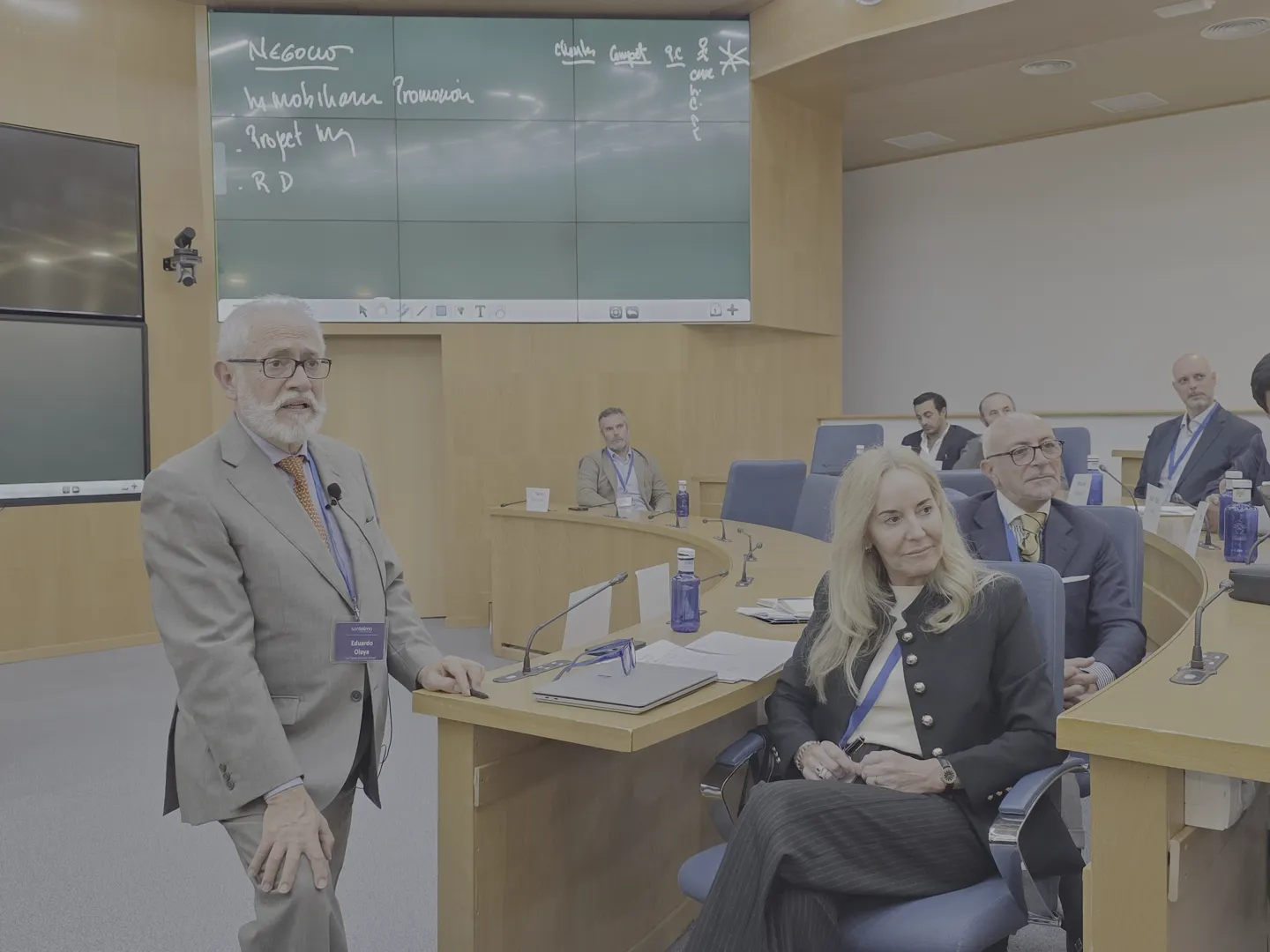
During the session, the Grupo Polo case was presented, featuring a discussion between CEO Sofía Polo, Professor Eduardo Olaya, and advisory board members. This case study provided practical insights into how these theoretical concepts are being applied in real-world scenarios, further enriching the dialogue around golf and industrialised construction.
Advisory Board Contributions
Several advisory board companies, including Ansan, Meta 360º, Urbea, and KPC, shared their activities and perspectives, contributing to a well-rounded discussion on the future of real estate in Spain. Their involvement underscores the collaborative nature of the industry and the importance of diverse viewpoints in shaping effective strategies.
The Role of the Real Estate Alfil Chair
The session reaffirmed the Real Estate Alfil Chair’s commitment to being an academic reference in real estate sector analysis. By focusing on the intersection of golf as a real estate asset and the efficiencies brought by industrialised construction, the Chair is positioning itself at the forefront of industry trends.
For those interested in further exploring the evolving landscape of real estate in Spain, the Andalucía Golf news section offers a wealth of information and insights.